Montgomery's Civil Rights Legacy & the Road to Selma
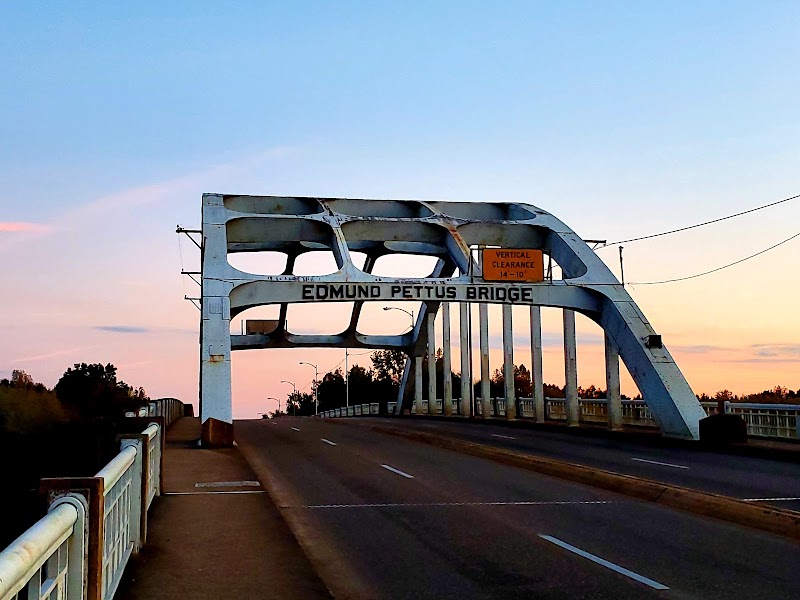
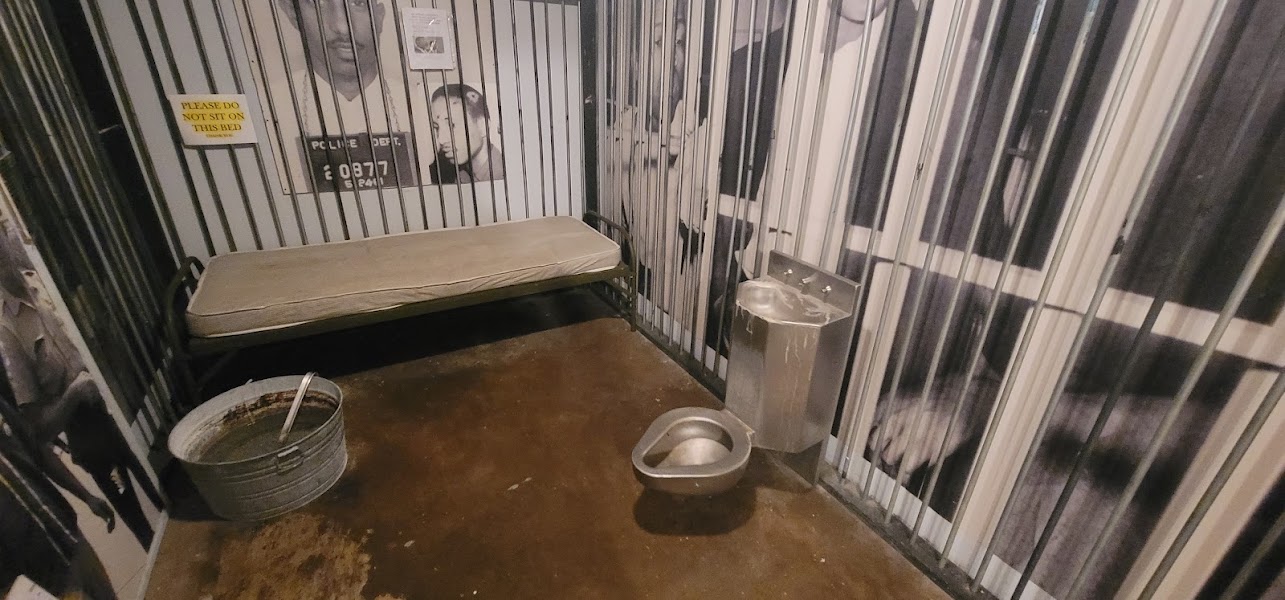
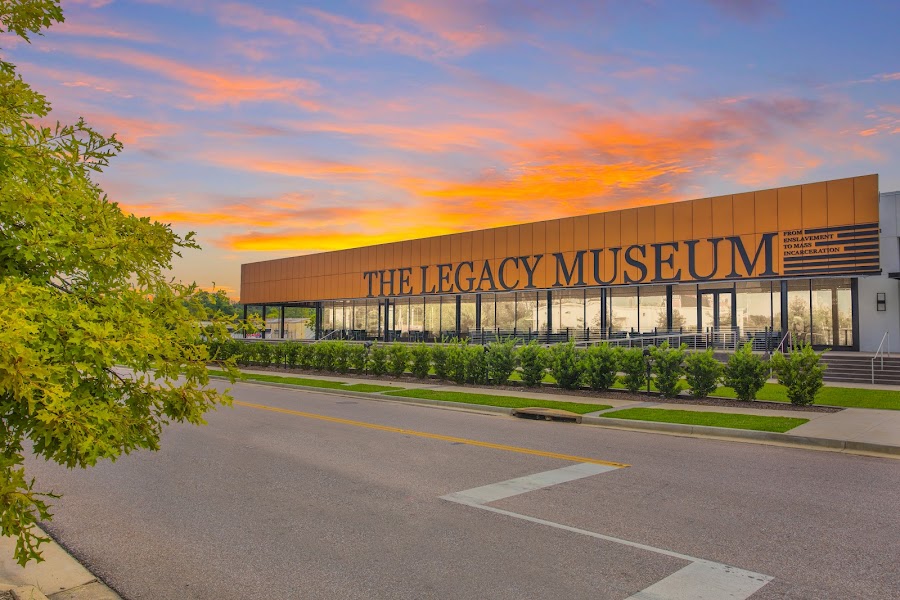
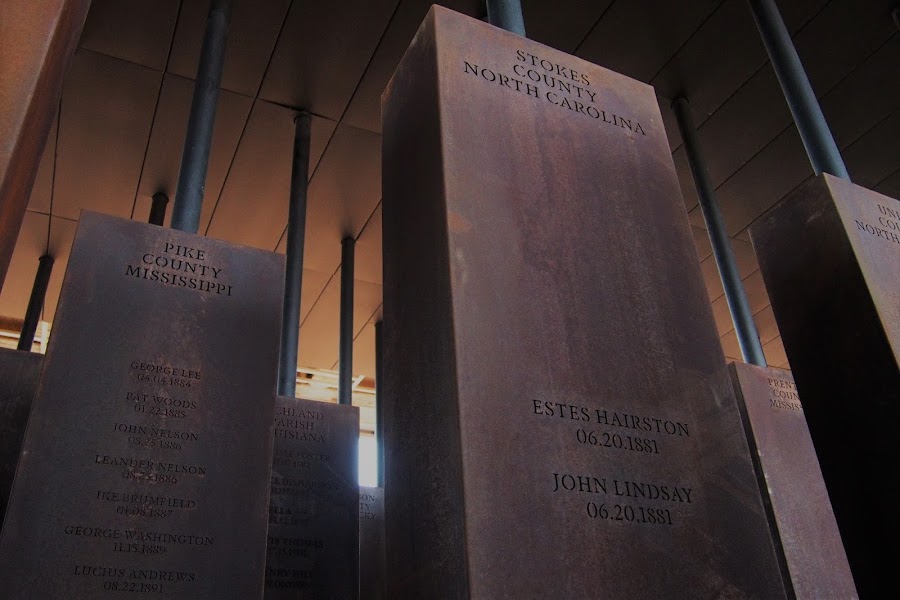
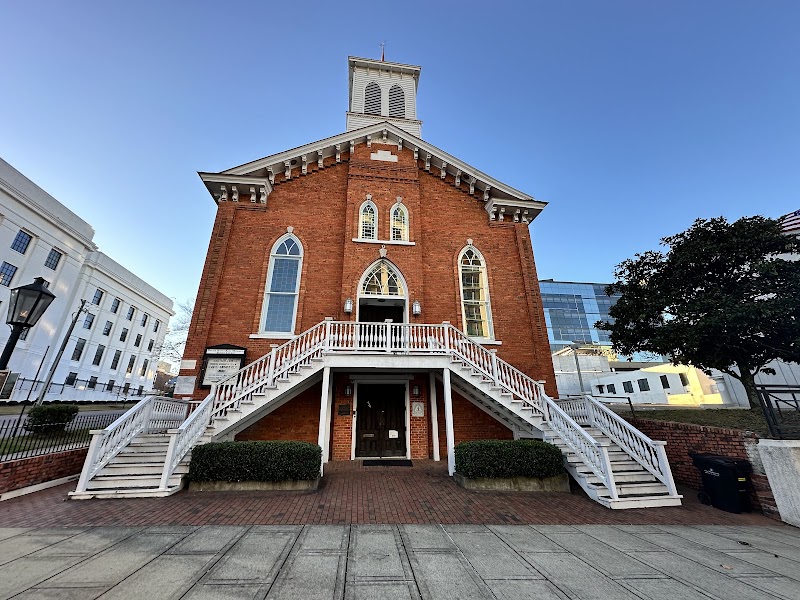
Montgomery and Selma together constitute the geographic heart of the American civil rights movement — Montgomery where the bus boycott began in 1955 and where Martin Luther King Jr. led the Dexter Avenue Baptist Church; Selma where the 1965 Voting Rights marches crossed the Edmund Pettus Bridge into national consciousness. The Equal Justice Initiative's Legacy Museum and National Memorial for Peace and Justice, both opened in 2018, are the most important new civil rights institutions built in a generation: the museum traces the through-line from slavery to mass incarceration with the specificity of a federal archive, and the memorial's 805 hanging steel monuments — one for each county in America where a documented racial terror lynching occurred — is one of the most formally powerful memorial sites in the country. Day two continues to Selma, where the Edmund Pettus Bridge and the National Voting Rights Museum give direct connection to the 1965 marches.
Day 1 — Montgomery

Day 2 — Selma