🌿 RelaxedLong weekend · from Bozeman, MT

Yellowstone Loop: Geysers, Mammoth & Lamar Valley

Three days through the full northern Yellowstone circuit — Old Faithful and the geyser basins on day one, Mammoth Hot Springs and the travertine terraces on day two, and the Lamar Valley wildlife corridor on day three before the return through Gardiner and the northern approach to Bozeman. Mammoth Hot Springs is architecturally the most unusual feature in Yellowstone: active travertine terraces where calcium carbonate deposited by thermal water builds stepped formations at 2 inches per year, creating a landscape that changes faster than any other in the park. The hot spring terraces on Palette Spring, Minerva Terrace, and Angel Terrace shift constantly; features active in one visit may be dry in the next. The Lamar Valley, accessed on day three, is the best wildlife corridor in the contiguous United States — the core of the first successful large-predator reintroduction in American history, where wolves were reintroduced in 1995 and now have established packs visible from the road most mornings.

Day 1 — Old Faithful, Grand Prismatic Spring, overnight Old Faithful InnDay 2 — Mammoth Hot Springs terraces (travertine growing 2in/year), overnight Mammoth HotelDay 3 — Lamar Valley (wolf packs + bison + grizzly), return to Bozeman via Gardiner
Day 1Yellowstone — Geyser Basin

Day 1Yellowstone — Geyser Basin

🚗 1 hr 30 min driving📍 4 stops
🌅
Morning
🚗
Drive
Bozeman, MTYellowstone NP — West Entrance
1 hr 30 min8:00 AM9:30 AM
Old Faithful — Morning Eruption
4.7
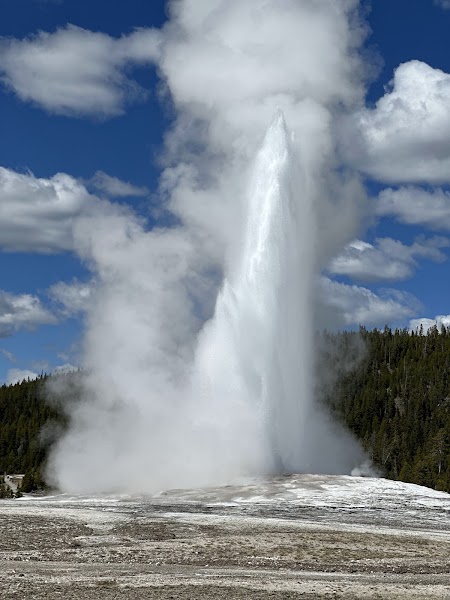
Old Faithful Geyser — the most famous geyser in the world, named in 1870 for its regularity. Eruption intervals average 91 minutes (predicted within 10 minutes at the visitor center); the geyser sends water 100-180 feet for 1.5-5 minutes per eruption. Morning light in cool air produces the most dramatic steam column; the Old Faithful Inn veranda is the best vantage point for a seated eruption viewing.
🍽️
Lunch
Grand Prismatic Spring — Midway Geyser Basin
4.9
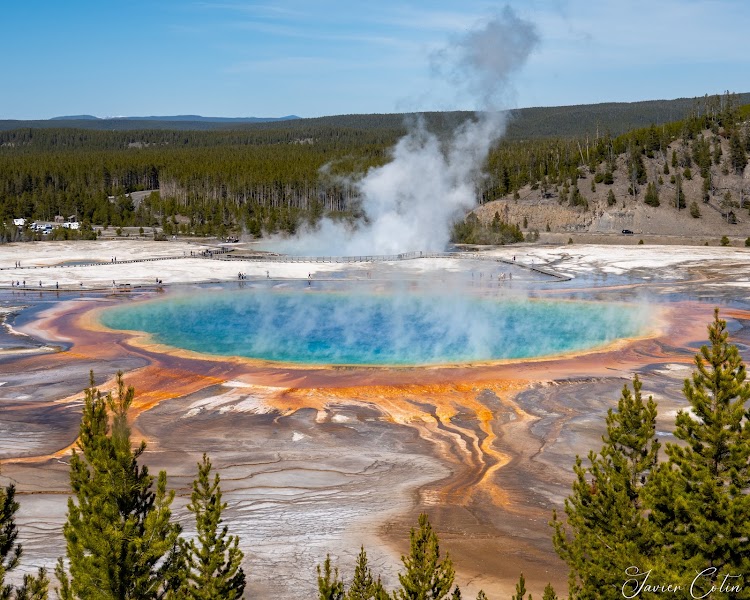
The largest hot spring in the United States — 370 feet across, 121 feet deep, 160°F at center, with rainbow rings of color from heat-adapted archaea at the margins. The Midway Geyser Basin 0.6-mile boardwalk passes Excelsior Geyser Crater (10,000 gallons per minute into the Firehole River) and provides ground-level access to the spring edge. The elevated spring view from the Fairy Falls Trailhead overlook (0.5 miles off the trailhead) gives the full aerial perspective on the color rings.
☀️
Afternoon
Old Faithful Inn — Lobby & Afternoon Rest
4.2
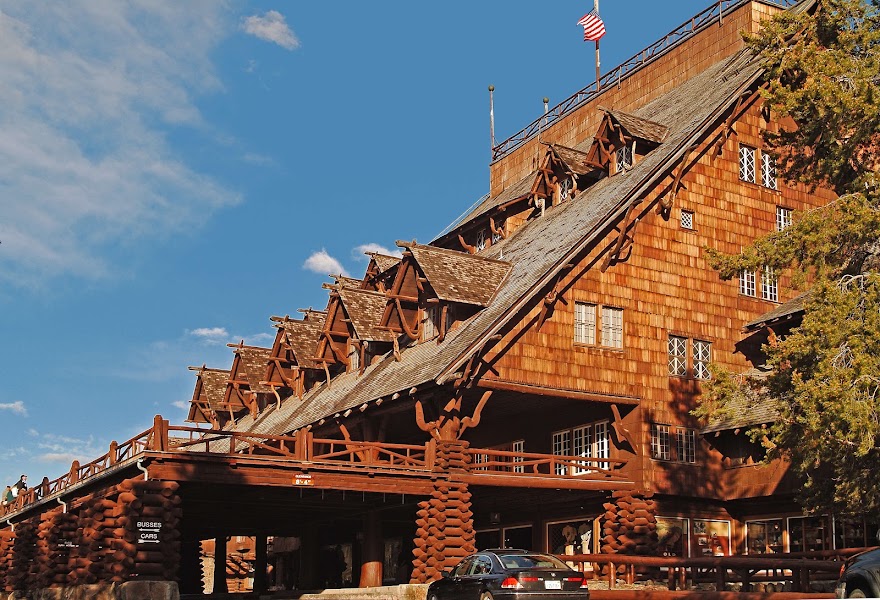
The Old Faithful Inn — Robert Reamer's 1904 log-and-stone lobby building is the largest log structure in the world, with a 76-foot-high open lobby, multiple stories of log balconies, and a 500-ton fireplace at the center. The inn has expanded since 1904 but the original 'Old House' wing is the architectural landmark; free lobby tours run daily. The Bear Pit Lounge serves afternoon drinks with views of Old Faithful through the windows.
🌙
Evening
Old Faithful Inn
Old Faithful Inn
4.2
The most architecturally significant hotel in the American national park system — a 1904 log structure designed by Robert Reamer with a 76-foot lobby, a 500-ton lava rock fireplace, and a direct view of Old Faithful from the dining room and porch. Rooms range from the original cramped Old House rooms (authentic experience, shared bathrooms in some) to modern motel-style East and West Wings. Reservations required months in advance for summer.
Day 2Mammoth Hot Springs

Day 2Mammoth Hot Springs

🚗 1 hr driving📍 4 stops
🌅
Morning
🚗
Drive
Old Faithful InnMammoth Hot Springs
1 hr8:00 AM9:00 AM
Mammoth Hot Springs — Lower Terraces
4.7
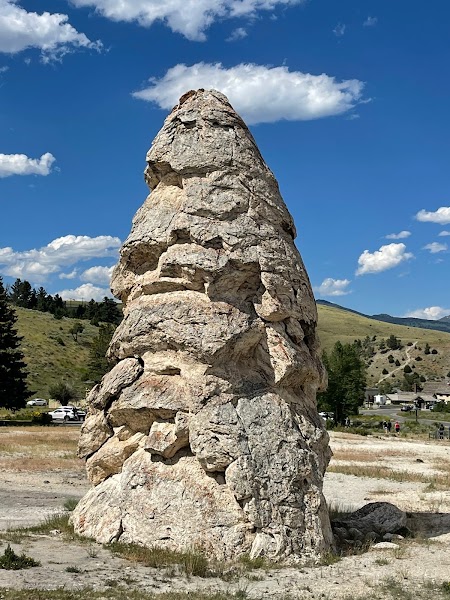
The lower travertine terraces of Mammoth Hot Springs — a series of stepped calcium carbonate formations built by thermal water at 2 inches per year. Liberty Cap (37-foot calcite cone, now dormant), Palette Spring, and the main terrace boardwalk cover the active lower formation; the colors in the terrace margins (orange, yellow, green, red) come from thermophilic bacteria and archaea in the runoff channels. Mammoth is the most accessible thermal area in the park, open year-round and adjacent to the park's primary lodging hub.
🍽️
Lunch
Continue at Mammoth Hot Springs — Upper Terraces Drive
4.7
Use the afternoon to explore a different side of Mammoth Hot Springs — Lower Terraces — there's more to discover beyond the morning highlights.
☀️
Afternoon
Fort Yellowstone — Historic Military Buildings
4.7
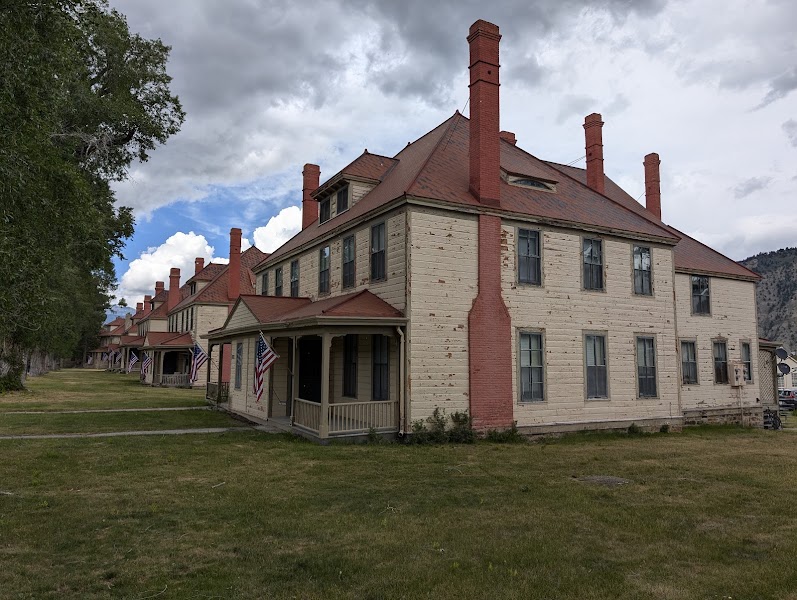
The original Army administration buildings of Yellowstone at Mammoth — the US Army managed the park from 1886 to 1918 after civilian management failed to control poaching and vandalism. The 1909 Fort Yellowstone buildings (brick officer's quarters, barracks, and administration buildings) are still in use as park headquarters; the Albright Visitor Center in the former bachelor officers' quarters has the full park history exhibit including the 1888 photographs that documented the first season.
🌙
Evening
Mammoth Hot Springs Hotel
4.3
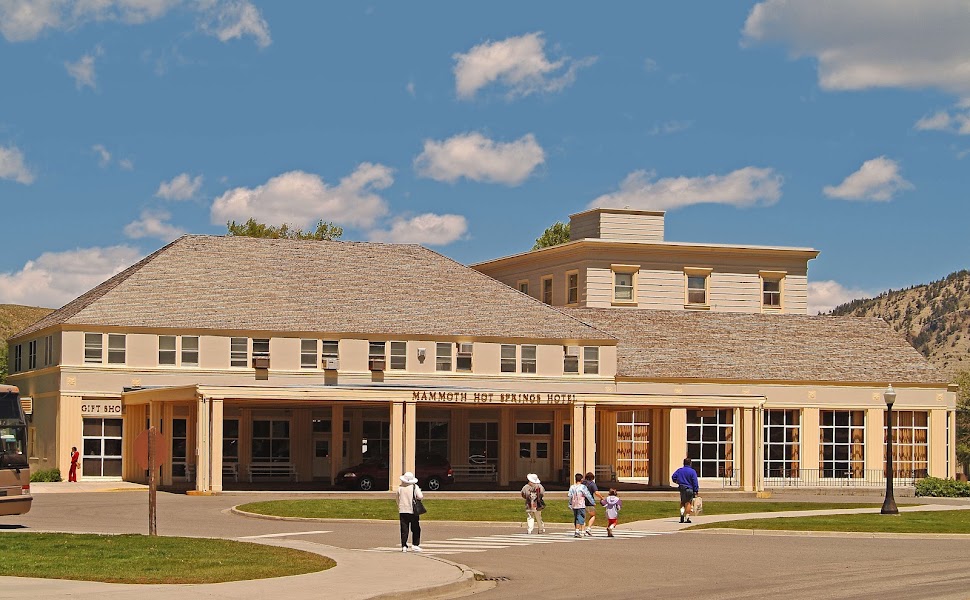
The primary park hotel at Mammoth — the original 1937 National Park Service hotel adjacent to Fort Yellowstone, with a dining room, map room (featuring a 1934 hand-crafted map of the United States inlaid in 10 types of wood), and summer-season operations. Mammoth's location near the north entrance makes this the one major park hotel accessible year-round. The elk herd in the Mammoth village area is habituated to humans; elk commonly graze on the hotel lawn in the evening.
Day 3Lamar Valley — Return to Bozeman

Day 3Lamar Valley — Return to Bozeman

🚗 2 hr 45 min driving📍 2 stops
🌅
Morning
🚗
Drive
Mammoth Hot Springs HotelLamar Valley — Northeast Entry
45 min8:00 AM8:45 AM
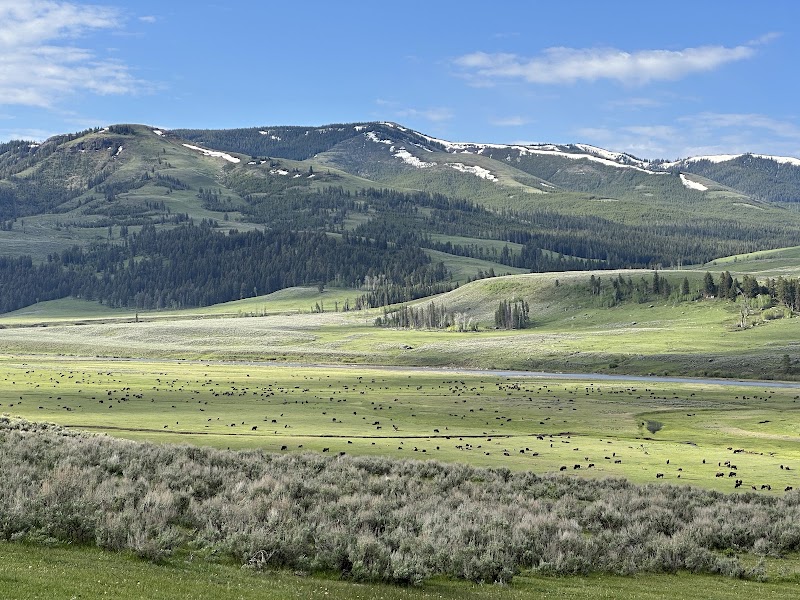
Lamar Valley — Wolf & Wildlife Drive
4.9
The Lamar Valley — the best wildlife viewing corridor in the contiguous United States, where the 1995 wolf reintroduction has re-established functioning pack structure and its cascading effects on elk, willow, and riparian vegetation. The valley holds large bison herds year-round; in winter 30-40 wolves from 4-5 packs range the valley. In summer wolf sightings are less frequent but the bison calves (born May-June), grizzly bears feeding in the meadows, and pronghorn on the sage flats provide continuous wildlife interest. Dawn is peak activity time; the roadside pulloffs have the best sightlines.
🍽️
Lunch
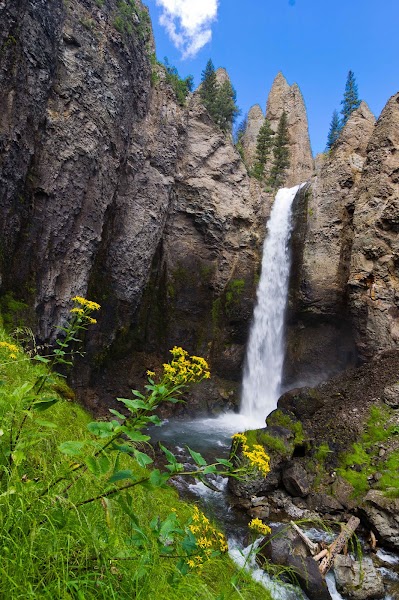
Tower Fall & Calcite Springs Overlook
4.7
Tower Fall — a 132-foot waterfall at the mouth of Tower Creek entering the Yellowstone River, with volcanic rhyolite pinnacles framing the falls. The Calcite Springs Overlook (0.5 miles south) provides a view into the Yellowstone River canyon where columnar basalt and hot springs bubble from the river bank — one of the most unusual canyon viewpoints in the park. Osprey nest on the canyon walls near the overlook.
🌙
Evening
🚗
Drive
Tower-Roosevelt, YellowstoneBozeman, MT via Gardiner
2 hr5:00 PM7:00 PM
Plan your own escapeExplore more trips →