🏛️ CulturalLong weekend · from Las Vegas, NV
Death Valley & Rhyolite: The Desert's Deep History
The Mojave and Death Valley region surrounding Las Vegas contains the most complete record of California desert settlement, mining history, and geological extremes accessible from a single urban base. Death Valley National Park — the hottest, driest, and lowest place in North America — is 120 miles west; the drive through Amargosa Valley and Beatty passes through the ghost town of Rhyolite, a 1907 gold rush boomtown that grew to 10,000 people and collapsed completely by 1911. Death Valley itself holds Zabriskie Point, Badwater Basin (282 feet below sea level), and Scotty's Castle, the 1922–1931 desert retreat of a Chicago millionaire that is architecturally the most remarkable building in the American Southwest.
Day 1 — Rhyolite ghost town and Beatty Museum: Nevada mining historyDay 2 — Death Valley: Zabriskie Point, Badwater Basin, and Artist's PaletteDay 3 — Scotty's Castle and the Ubehebe Crater
Day 1 — Beatty & Rhyolite
Day 1 — Beatty & Rhyolite
🚗 2 hr 50 min driving📍 5 stops
🌅
Morning
🚗
Drive
Las Vegas, NV → Beatty, NV
2 hr
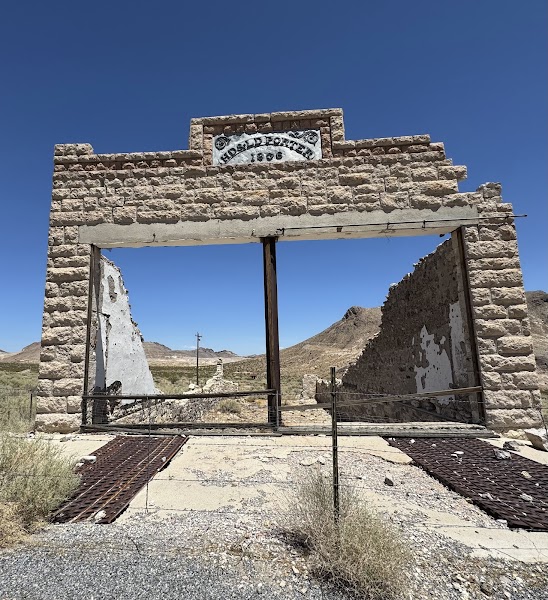
Rhyolite Ghost Town
★ Reviews →A 1907 gold rush town that grew to 10,000 residents in three years and was abandoned by 1911 — the ruins include the three-story Cook Bank Building, the Las Vegas & Tonopah Railroad depot, and the Tom Kelly Bottle House (built from 51,000 glass bottles by a former gold miner). Rhyolite's collapse was precipitated by the San Francisco earthquake's disruption of eastern capital investment and the simultaneous exhaustion of the primary ore body; the timeline from boom to ghost is so compressed that the structures decayed in place rather than being salvaged. The Goldwell Open Air Museum adjacent to the ghost town features sculptures installed since the 1980s in the desert landscape.
~1 hr📍 See location
🍽️
Lunch
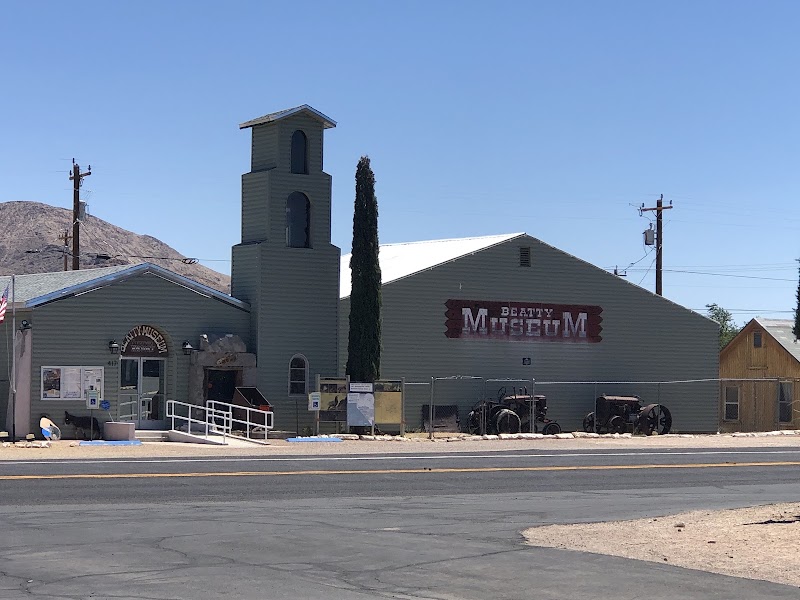
Beatty Museum & Historical Society
★ Reviews →The local history museum in Beatty (the last Nevada town before Death Valley) covers the complete history of the Bullfrog Mining District — the gold strike that created Rhyolite, the railroad wars between competing mining companies, and the colorful characters of the desert mining era. Lunch at the Exchange Club or the Happy Burro in Beatty before entering the national park.
~1.5 hrs📍 See location
☀️
Afternoon
🚗
Drive
Beatty → Furnace Creek, CA
50 min
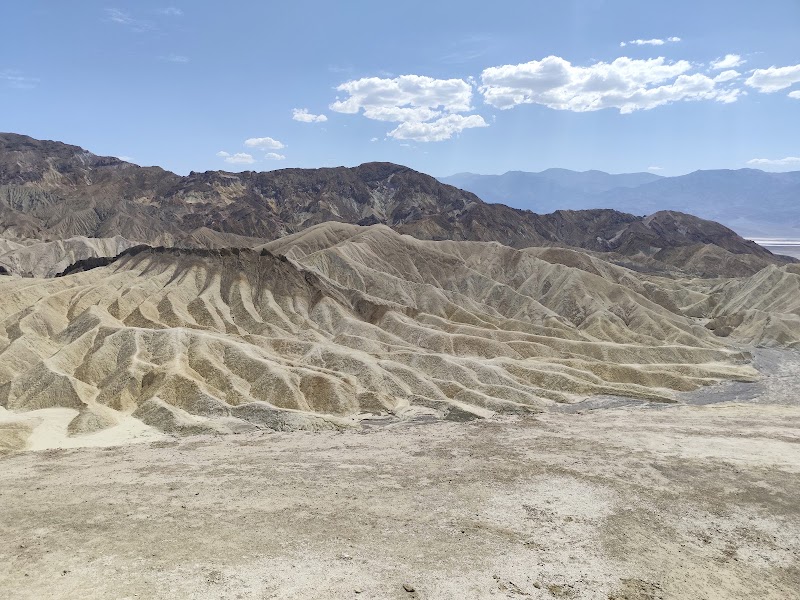
Zabriskie Point
★ Reviews →The most-photographed viewpoint in Death Valley — a ridge above the Badlands giving views over the eroded mudstone formations of the valley floor. The Panamint Range rises 11,000 feet above the valley floor to the west; at afternoon the light turns the badland formations gold and amber. Zabriskie was a borax mining executive; the viewpoint above the old borax works is named for him.
~1.5 hrs📍 See location
🌙
Evening
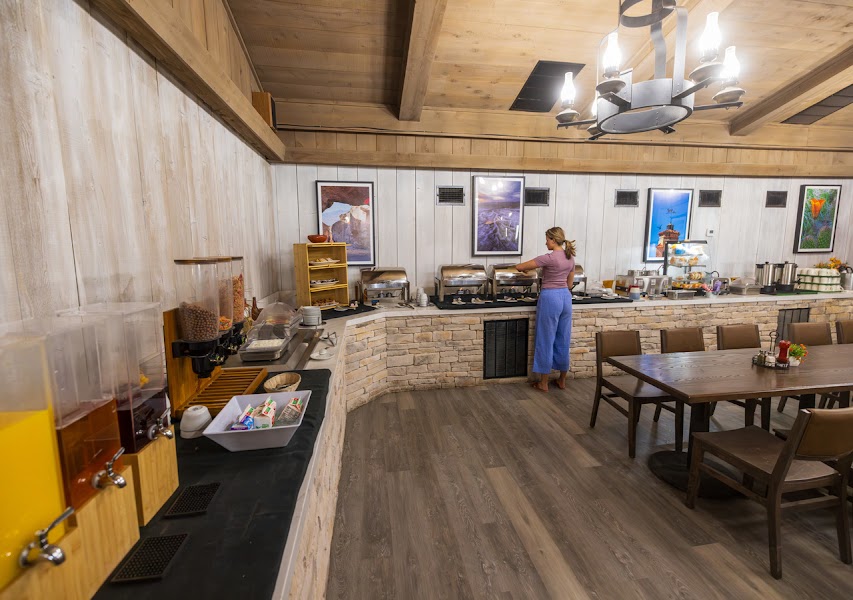
Toll Road Restaurant
★ Reviews →A well-regarded dinner spot near The Inn at Death Valley.
~1 hr📍 See location
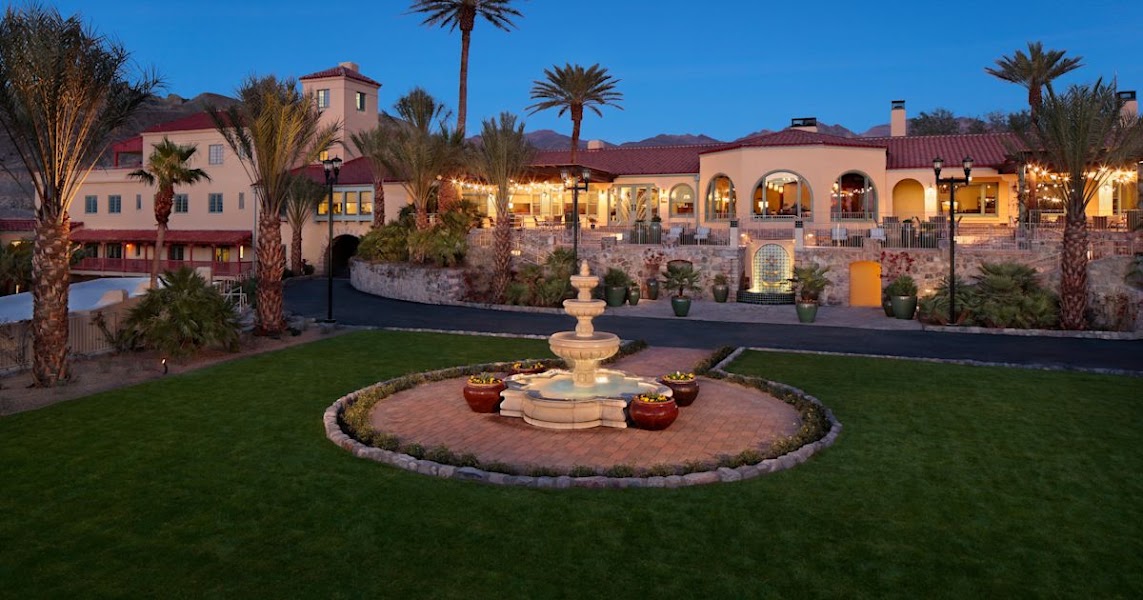
The Inn at Death Valley
★ Reviews →The original Death Valley landmark hotel, opened in 1927 at Furnace Creek — a Spanish Mission Revival resort at 190 feet below sea level with a spring-fed swimming pool, palm gardens, and the only restaurant in the valley core. The rooms in the original adobe wings are the most characteristic; the terrace views over the salt flats at sunset are why guests return.
Day 2 — Death Valley
Day 2 — Death Valley
📍 5 stops
🌅
Morning
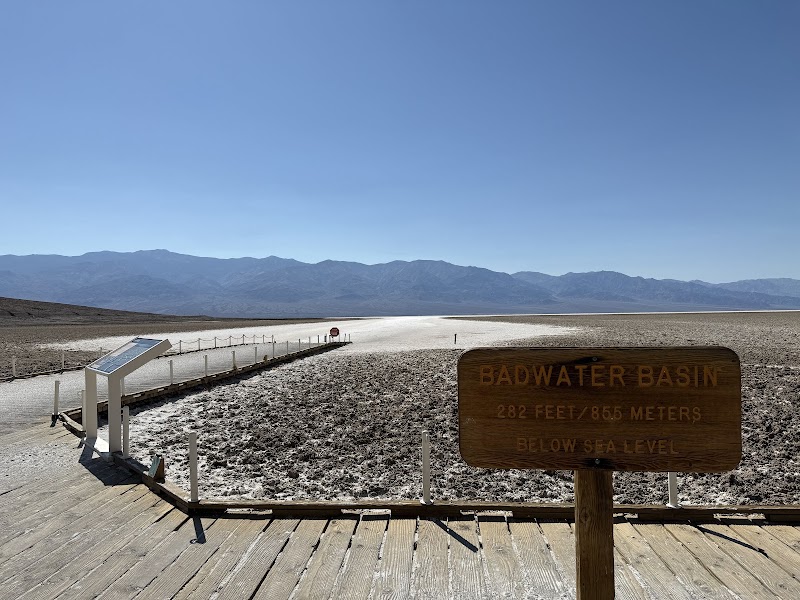
Badwater Basin
★ Reviews →The lowest point in North America at 282 feet below sea level — a vast salt flat at the base of the Black Mountains where the valley floor is covered by a thin crust of salt crystals (sodium chloride, borax, and calcite) that has been accumulating for 10,000 years since the last lake evaporated. The polygonal patterns in the salt crust extend 200 square miles across the valley floor. Morning is the only viable time in summer; temperatures at Badwater in July regularly exceed 120°F by mid-morning.
~1.5 hrs📍 See location
🍽️
Lunch
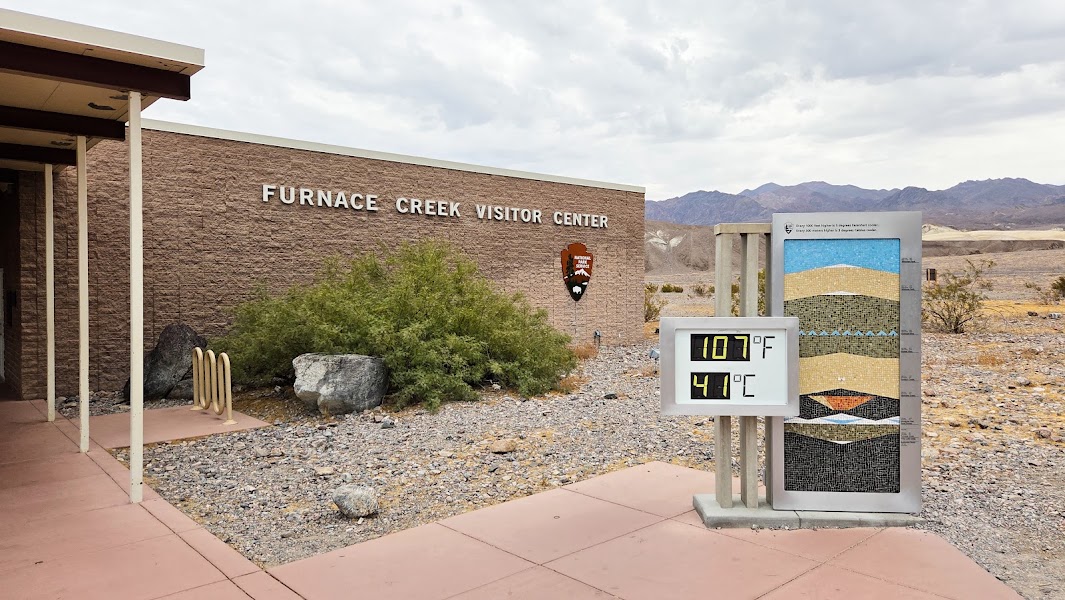
Furnace Creek Visitor Center
★ Reviews →The national park visitor center at Furnace Creek — the exhibits cover Death Valley's geological history (the lake cycle from 30,000 years ago to the present desert), the Native American (Timbisha Shoshone) continuous habitation for over 1,000 years, the borax mining era (1880s–1920s), and the thermal records. The official highest recorded temperature is 134°F in July 1913; the current NWS recording methodology may produce different readings. The visitor center film gives the most efficient orientation to the park.
~1.5 hrs📍 See location
☀️
Afternoon
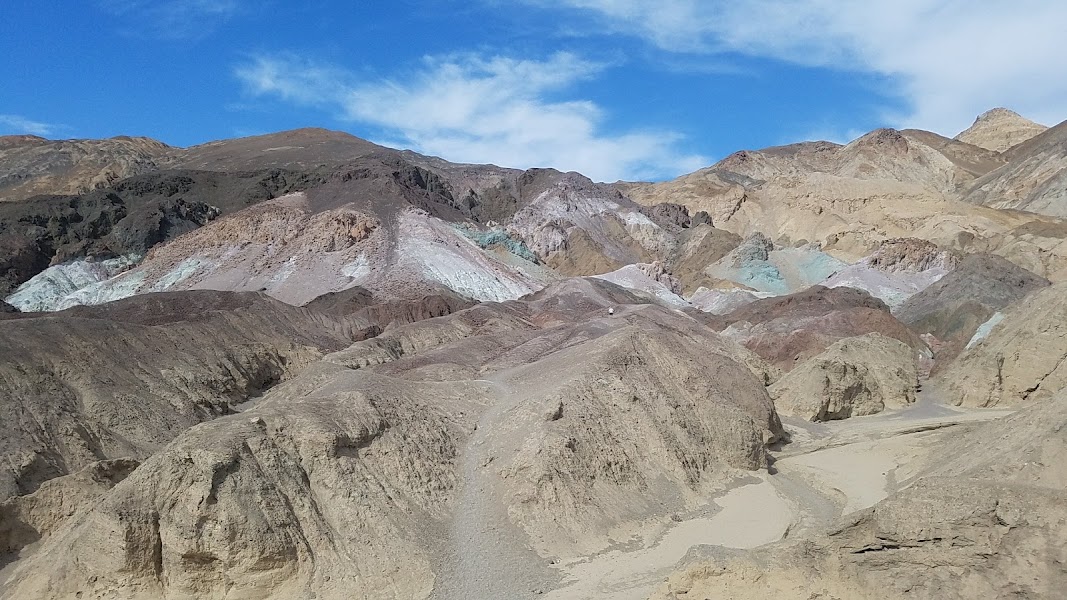
Artist's Drive
★ Reviews →A 9-mile one-way scenic drive through the Black Mountains south of Furnace Creek — the volcanic deposits in the Black Mountains contain manganese, iron, mica, and chlorite in concentrations that produce bands of green, purple, pink, and yellow in the canyon walls. Artist's Palette is the most photographed formation, where the afternoon light intensifies the color contrasts. The drive is closed to trailers and RVs.
~1.5 hrs📍 See location
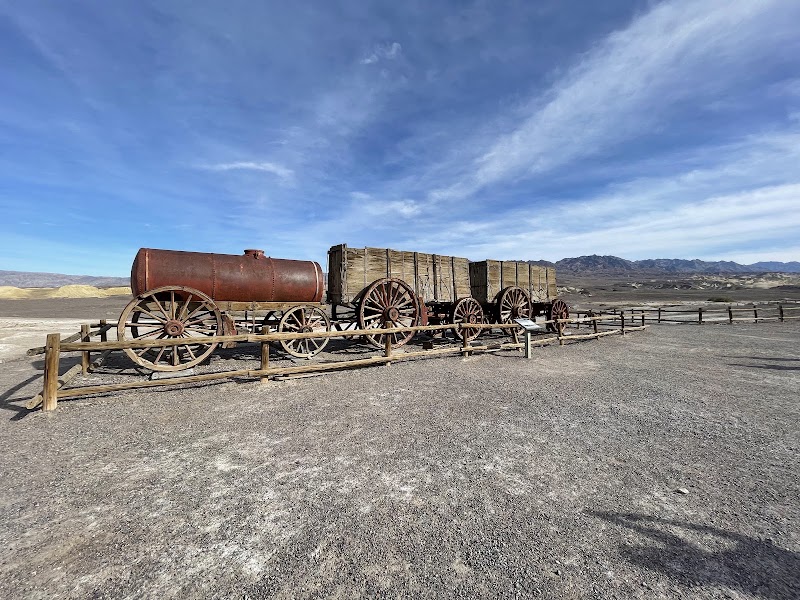
Harmony Borax Works
★ Reviews →The ruins of the 1882 borax refining operation that gave Death Valley its commercial history — the 20-Mule Team borax wagons (actually 18 mules and 2 horses) pulled loads of processed borax across 165 miles of desert to Mojave. The original wagons are displayed at the site; the interpretive signs cover the chemistry of borax processing and the conditions under which Chinese and Mexican laborers worked through the desert winter.
~1 hr📍 See location
🌙
Evening
The Inn at Death Valley — Sunset Terrace
★ Reviews →The terrace dinner at the Inn at Death Valley with views west toward the Panamint Range — the sunset from 190 feet below sea level, with the mountains rising 11,000 feet immediately to the west, is one of the most dramatic dinner settings in the American West.
Day 3 — Scotty's Castle & Drive East
Day 3 — Scotty's Castle & Drive East
🚗 3 hr 35 min driving📍 2 stops
🌅
Morning
🚗
Drive
Furnace Creek → Scotty's Castle
55 min
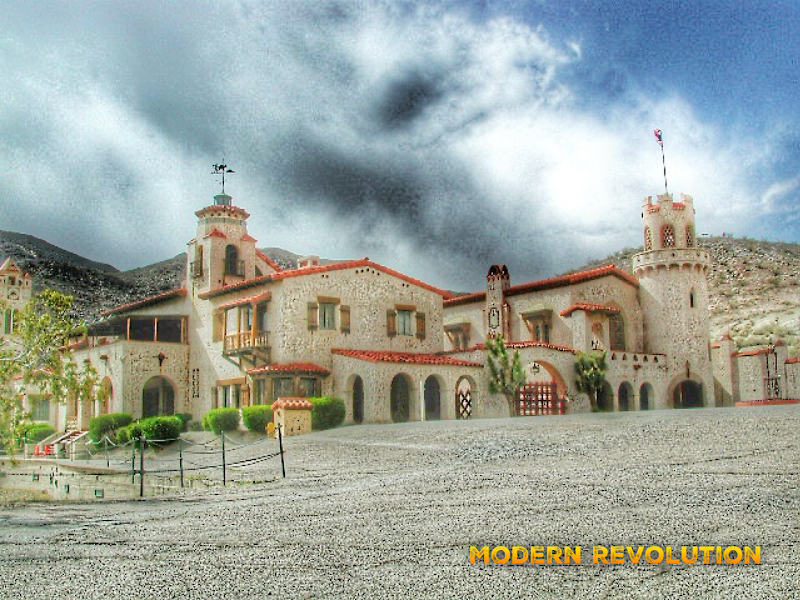
Scotty's Castle
★ Reviews →A 1922–1931 Spanish-Moorish desert villa built in the northern end of Death Valley by Chicago insurance millionaire Albert Johnson and his unlikely friend Walter Scott ('Death Valley Scotty'), a former Buffalo Bill Wild West Show performer and compulsive self-mythologizer. The structure includes 25 rooms, a music room with a custom pipe organ, a swimming pool, a railroad station, and a solar and wind power system. The NPS acquired the property in 1970; a 2015 flash flood significantly damaged the site and access roads, and the property has been partially closed during restoration. Check NPS.gov for current tour availability.
~1 hr📍 See location
🍽️
Lunch
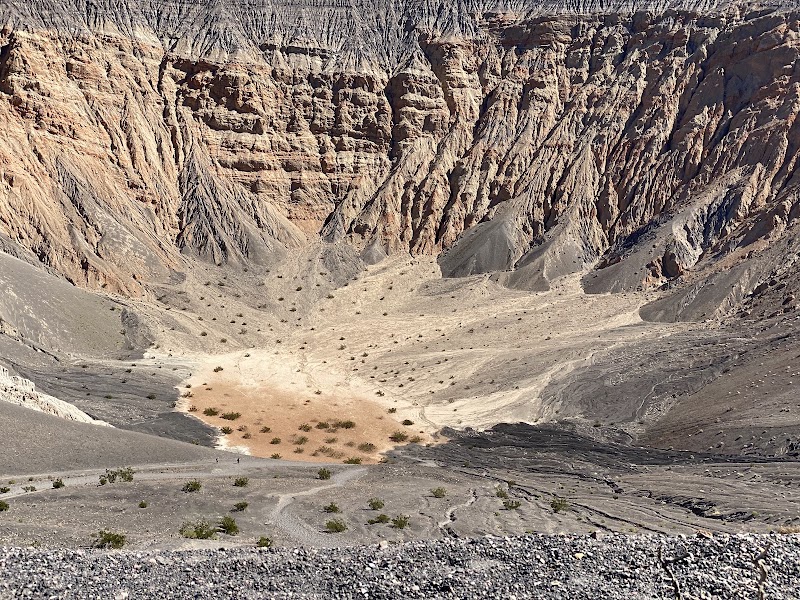
Ubehebe Crater
★ Reviews →A half-mile wide, 600-foot deep maar volcano that last erupted approximately 2,100 years ago — the explosion of steam when magma contacted groundwater blew out the crater and scattered volcanic debris across 6 square miles of the valley floor. The crater rim trail (1.5 miles) circles the main crater and the smaller Little Hebe Crater to the south; the view from the rim into the layered volcanic and sedimentary walls is one of the geological highlights of Death Valley.
🥪No food available here — pack a trail lunch.
~1.5 hrs📍 See location
🌙
Evening
🚗
Drive
Scotty's Castle → Las Vegas, NV
2 hr 40 min
← All Las Vegas trips
More getaways from Las Vegas
Red Rock & the Keystone Thrust: Calico Hills to Mount Charleston — Day trip🥾Red Rock to the Bristlecones: Canyon Hikes & Alpine Summit — Weekend🥾Three Canyons: Red Rock, Snow Canyon & Zion's Angels Landing — Long weekend🥾Dam, Ghost Town & Fire: A Mojave History Circuit — Day trip🏛️Boulder to Fire: Hoover Dam, Lake Mead & Valley of Fire — Weekend🏛️Desert Crossroads: Petroglyphs, Pioneer History & Zion's Red Walls — Long weekend🏛️Boulder City: Hoover Dam Heritage & Lake Mead Sunset Cruise — Day trip🌿Fire & the Lost City: Valley of Fire & Ancestral Puebloan History — Weekend🌿
© 2026 theweekendgetaways.com · All itineraries are original content. Terms
Plan your own escapeExplore more trips →