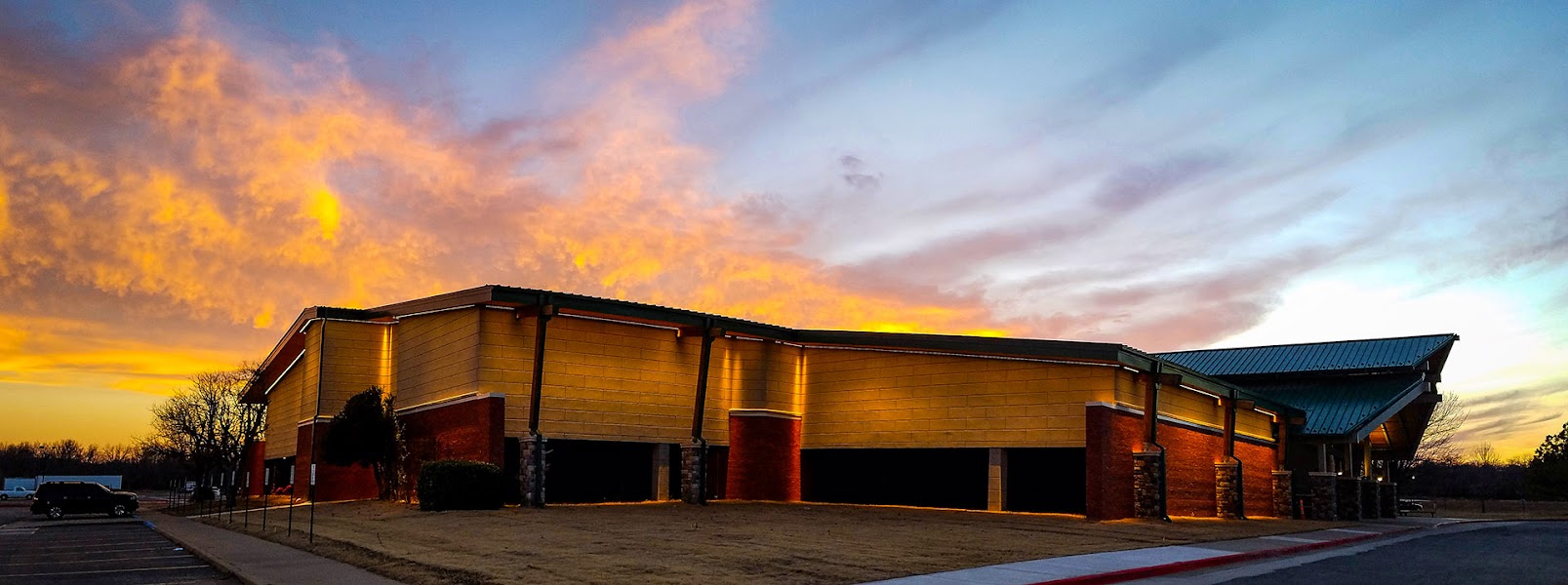
Tulsa's Art Deco & the Cherokee Nation
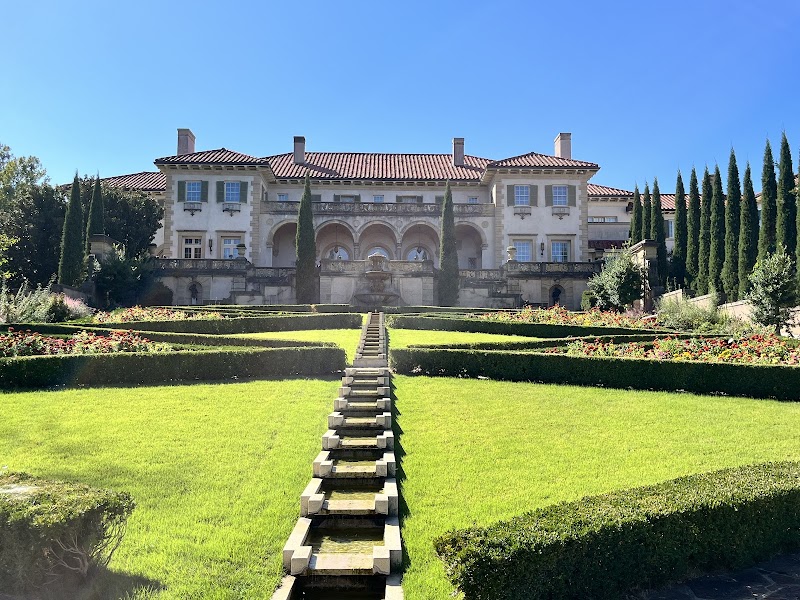
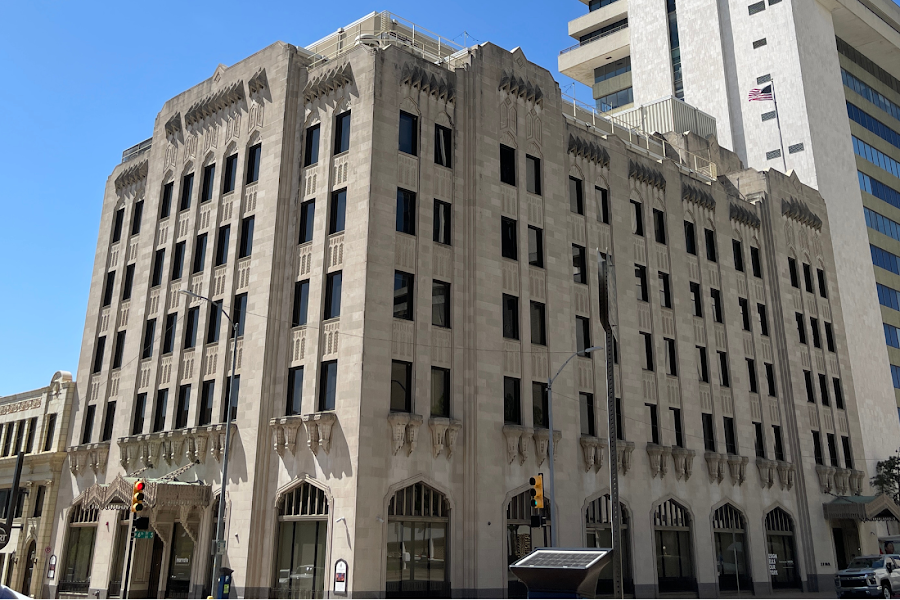
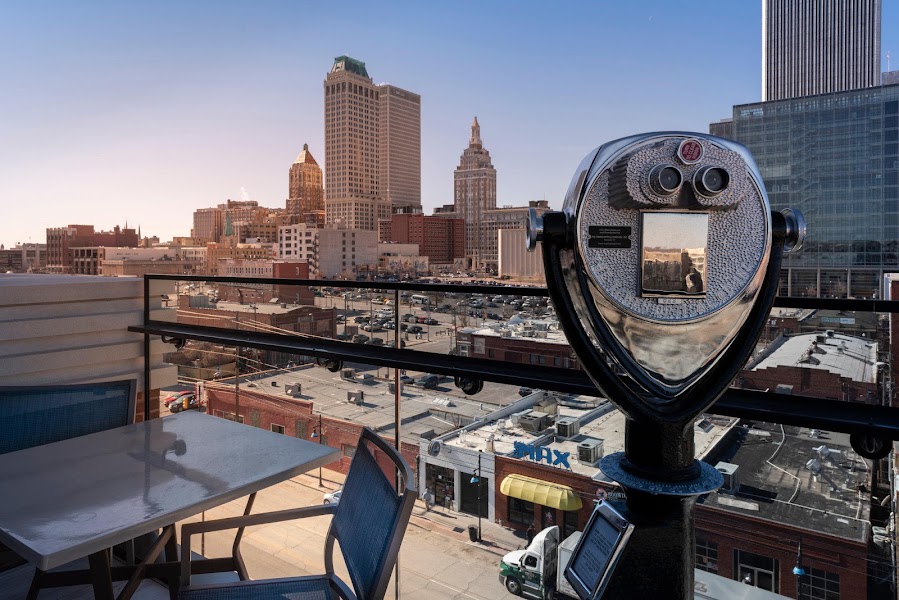
Two of Oklahoma's most significant cultural experiences — Tulsa's 1920s Art Deco architecture and museum district, and the Cherokee Nation capital at Tahlequah — lie in opposite directions from Oklahoma City but connect naturally as a two-day loop east of the city. Tulsa's oil boom produced the Philbrook Museum, the Gilcrease Museum's American West collection, and a downtown packed with Zigzag Moderne skyscrapers built in the late 1920s when the city was briefly richer per capita than anywhere in America. Tahlequah, 60 miles east of Tulsa, is the capital of the Cherokee Nation, the largest federally recognized tribe in the United States — the Cherokee Heritage Center here is one of the most complete cultural preservation sites in the country, presenting 3,000 years of Cherokee history on land the tribe was forced to in the 1838 Trail of Tears removal.
Day 1 — Tulsa
Day 2 — Tahlequah