← Weekend Escapes
🌿 RelaxedLong weekend · from Richmond, VA

The Virginia Historic Triangle: Where American History Was Made (And Ended)

Three unhurried days through the Virginia Peninsula's Historic Triangle — Williamsburg, Jamestown, and Yorktown form a 23-mile triangle enclosing the sites where the British American colonial project began (Jamestown, 1607), flourished into its most refined expression (Williamsburg, 1699–1780), and ended (Yorktown, October 19, 1781, Cornwallis's surrender). Colonial Williamsburg is the world's largest outdoor living history museum — 301 acres of the original 18th-century colonial capital restored to its 1770s appearance, with 500 costumed interpreters and 89 original buildings. Historic Jamestowne is the actual 1607 settlement site, still being excavated. Yorktown Battlefield is where the last major engagement of the Revolutionary War determined the political future of North America.

Day 1 — Colonial Williamsburg (88 original buildings, Governor's Palace, Capitol, costumed 1770s), overnight WilliamsburgDay 2 — Jamestown Settlement (1607 colony, Powhatan Confederacy) + Historic Jamestowne site, Colonial Parkway scenic drive, overnight WilliamsburgDay 3 — Yorktown Battlefield & Victory Monument (Cornwallis's 1781 surrender), return Richmond
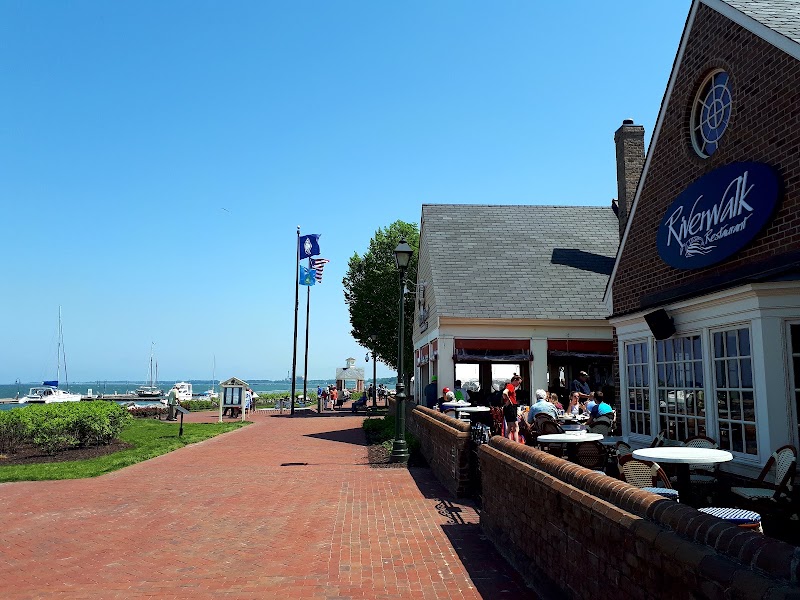
Day 1Colonial Williamsburg, VA

Day 1Colonial Williamsburg, VA

🚗 1 hr driving📍 4 stops
🌅
Morning
🚗
Drive
Richmond, VAColonial Williamsburg — Williamsburg, VA
1 hr8:00 AM9:00 AM
Colonial Williamsburg — Duke of Gloucester Street
4.6
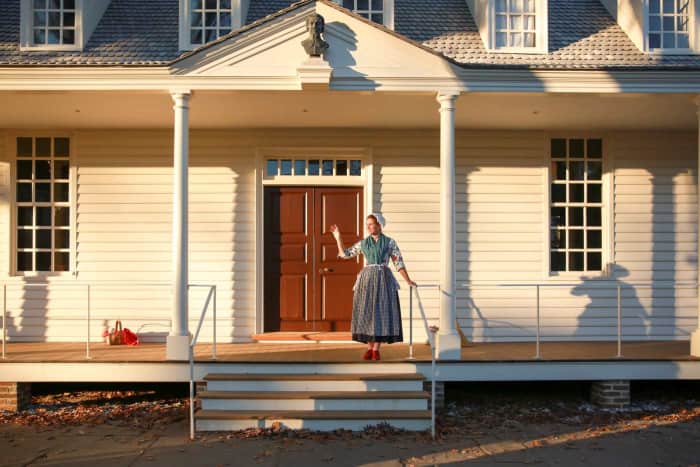
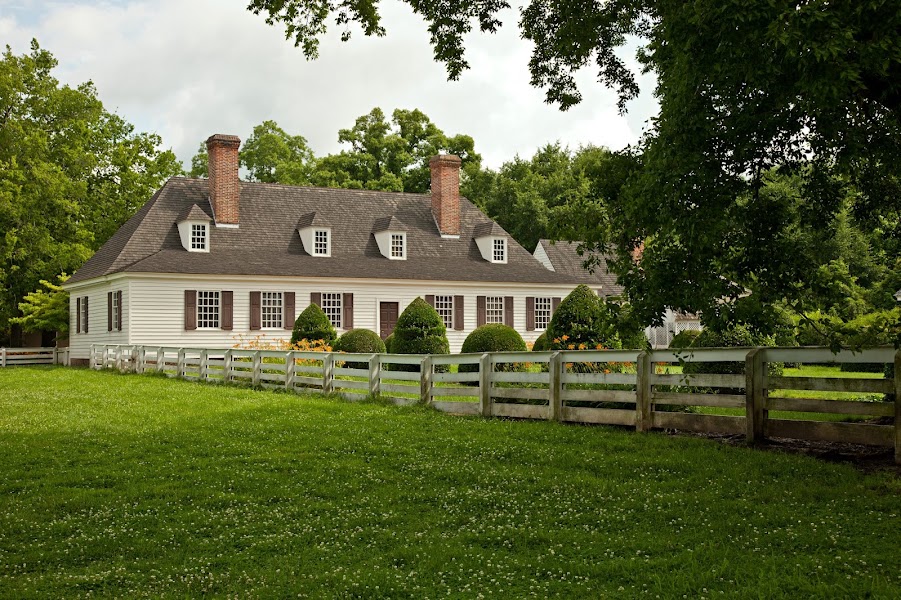
The world's largest outdoor living history museum — the 1699–1780 capital of colonial Virginia restored to its 18th-century appearance across 301 acres, with 88 original colonial-era buildings (restored, not reconstructed), 410 reconstructed buildings, and approximately 500 costumed historians and character interpreters. Duke of Gloucester Street is the main axis: a half-mile of colonial streetscape connecting the College of William & Mary's Wren Building (1695, oldest academic building in America) to the Capitol (1705 reconstruction, where Virginia burgesses debated independence before Philadelphia). Patrick Henry, Thomas Jefferson, George Washington, and George Mason all worked in this 12-block area. The character interpreters argue in character about the ethics of revolution and taxation.
🍽️
Lunch
Governor's Palace — Colonial Williamsburg
4.7
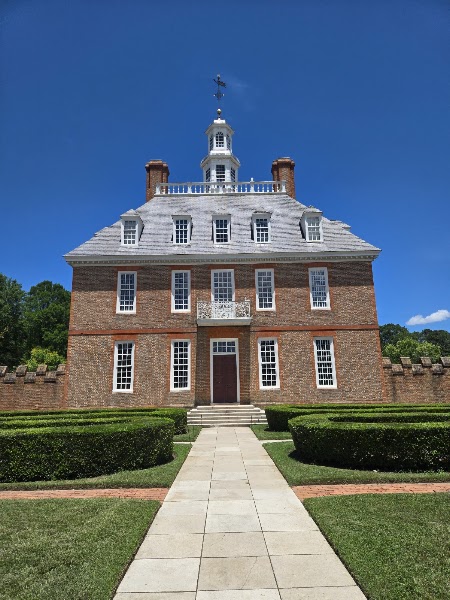
The reconstructed Virginia colonial governor's residence (1722, destroyed by fire 1781, reconstructed 1933 from the original cellar foundations, floor plans found at the Bodleian Library in Oxford, and archaeological excavation of the burned ruins) — the most elaborate building in colonial America at its construction, and the residence of seven royal governors and the first two American governors (Patrick Henry and Thomas Jefferson). The interior woodwork, the formal garden in the French baroque style, the stable yard, and the kitchen wing are all restored to the 1770s period. The ballroom, where the governor hosted an annual birthday ball for 200 guests in 18th-century finery, was the social apex of Virginia colonial life.
☀️
Afternoon
Raleigh Tavern & Colonial Williamsburg Trades
4.7
The Raleigh Tavern (reconstructed, 1717 original) was the social and political center of colonial Williamsburg — the Apollo Room hosted the colony's most important political meetings when the governor dissolved the House of Burgesses (as he did twice in the 1760s–1770s for passing resolutions against taxation). Washington, Jefferson, and Patrick Henry drank here. The colonial trades program — working blacksmith, colonial cabinetmaker, apothecary (with 18th-century medical practices), colonial printer (Printing Office and Bindery), and colonial gunsmith — are the most engaging and educational in any American living history program. The colonial bakery at Raleigh Tavern sells 18th-century bread and gingerbread.
🌙
Evening
Colonial Williamsburg Historic Area Hotels — Williamsburg Inn or Williamsburg Lodge
4.4
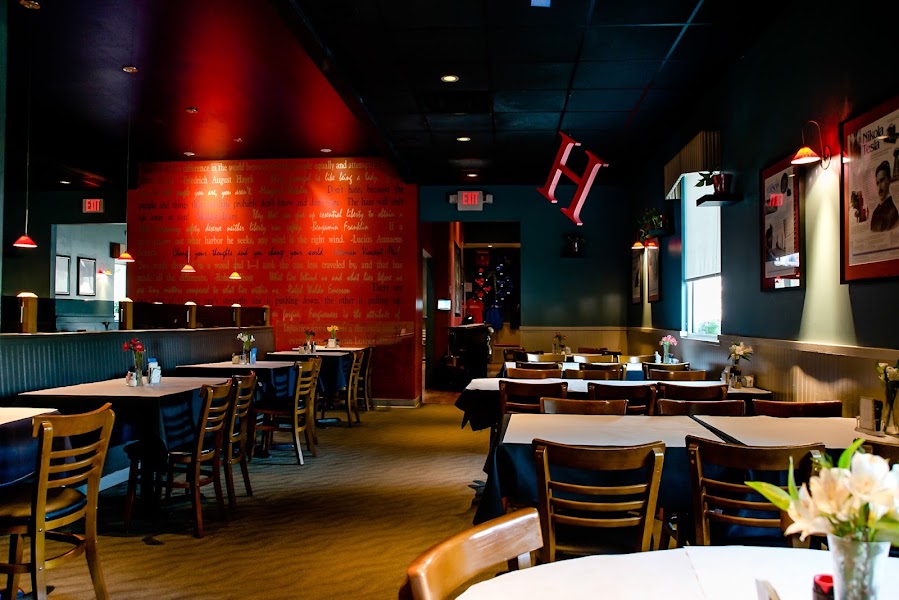
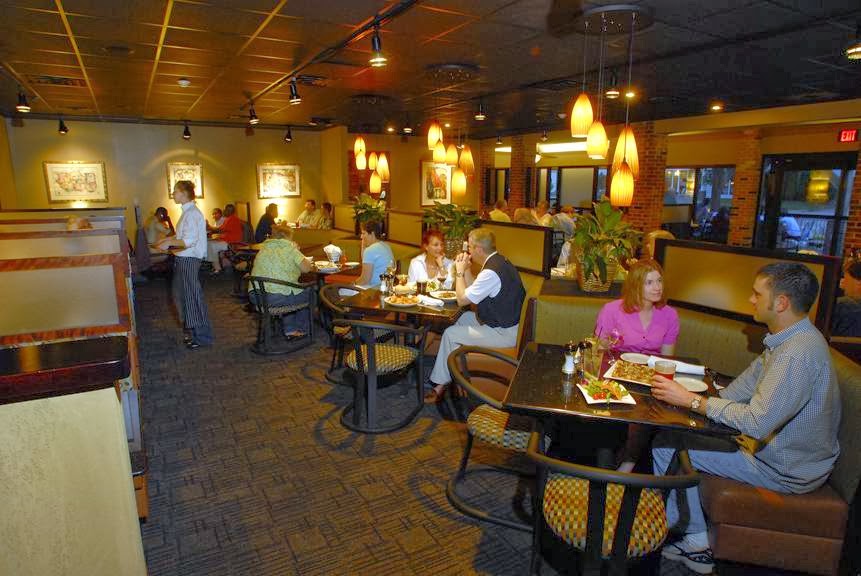
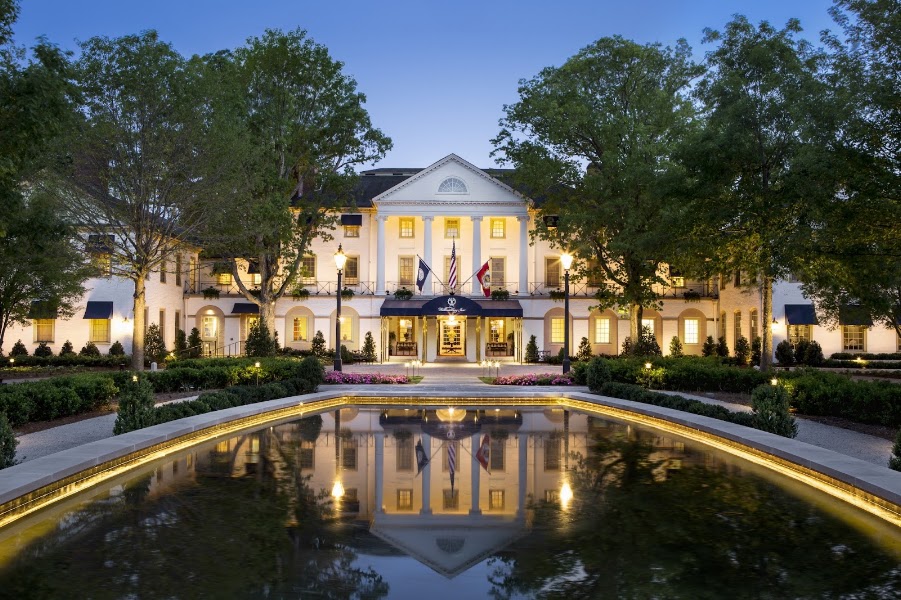
The Colonial Williamsburg Foundation operates several hotels within or adjacent to the historic area — the Williamsburg Inn (1937, John D. Rockefeller Jr.'s flagship property, Regency-style) and the Williamsburg Lodge (1939, Arts and Crafts style with folk art collection) are the most atmospherically appropriate. The Williamsburg Inn's Regency Room restaurant is the most formal dining option; Chowning's Tavern (in the historic area) and the King's Arms Tavern both serve 18th-century recipes in restored colonial buildings with candlelight. Tomorrow's drive to Jamestown via the Colonial Parkway takes 15 minutes.
Day 2Jamestown Island — Colonial National Historical Park, VA
Day 2Jamestown Island — Colonial National Historical Park, VA
🚗 15 min driving📍 4 stops
🌅
Morning
🚗
Drive
Colonial Williamsburg, VAJamestown Settlement — Jamestown, VA
15 min8:00 AM8:15 AM
Jamestown Settlement Museum
4.7
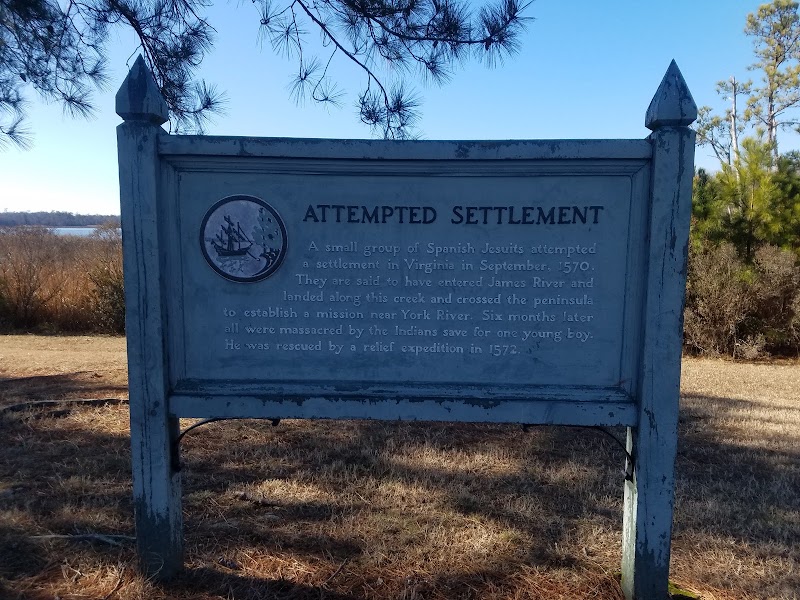
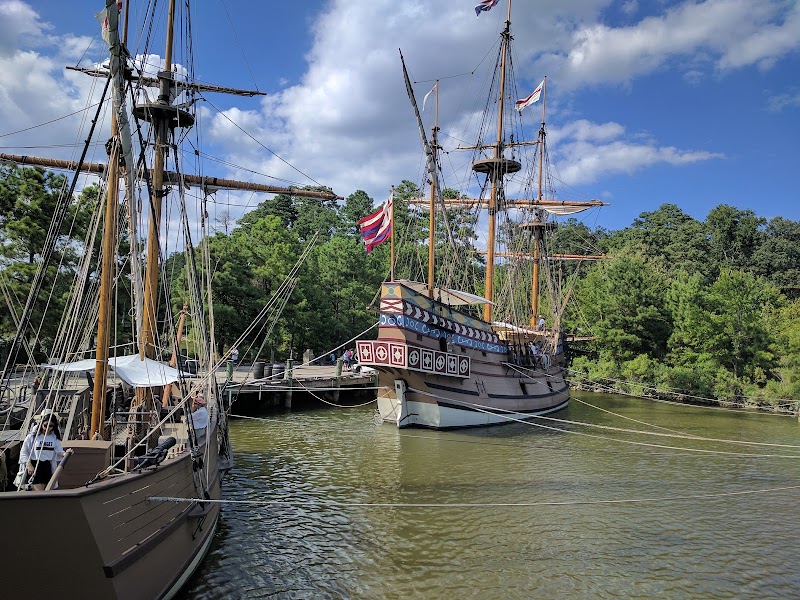
The Commonwealth of Virginia's interpretive museum for the 1607 English settlement — covering the Powhatan Confederacy (the 30-tribe alliance of 14,000 people led by Wahunsenaca, called Popeye by the English, whose daughter Matoaka was taken as a hostage and renamed Pocahontas), the political and commercial structure of the Virginia Company, the conditions of the crossing, and the 'starving time' of 1609–1610 when 80% of the colonists died. The museum's outdoor living history component includes full-scale replicas of the three ships that carried the 104 original colonists (Susan Constant, Discovery, and the 49-foot pinnace Godspeed), a reconstructed Powhatan village, and a James Fort replica with costumed interpreters demonstrating the first decade of the colony.
🍽️
Lunch
Historic Jamestowne — NPS Archaeological Site
4.7
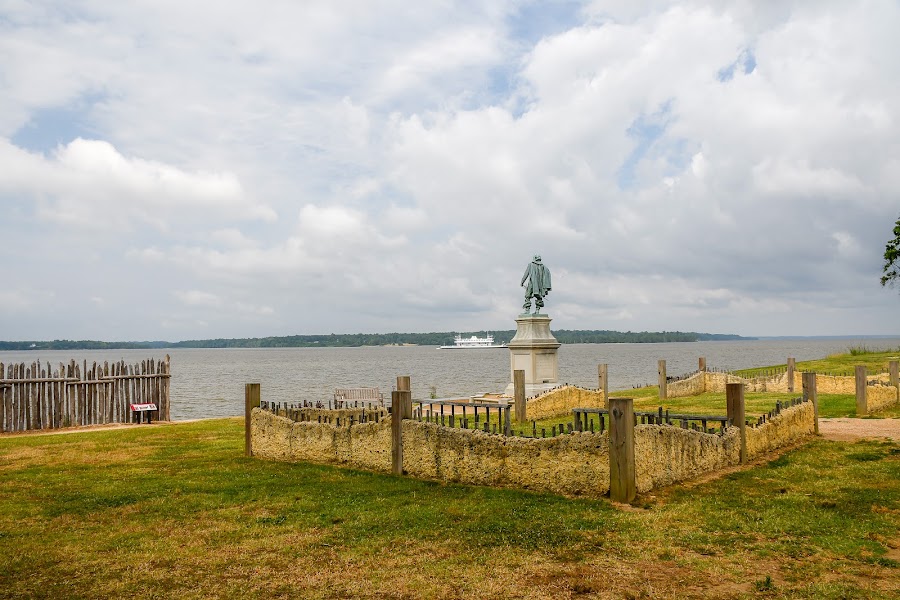
The actual 1607 settlement site on Jamestown Island — the National Park Service site is the real ground where the fort stood, continuously excavated since 1994 by the Association for the Preservation of Virginia Antiquities under archaeologist William Kelso. The 'lost' fort (thought washed into the James River) was found intact beneath the current surface; the excavation has uncovered 2 million artifacts, the remains of the original James Fort palisade, the 1617 church foundations, and in 2013 the skeletal remains of a 14-year-old girl whose bones showed evidence of cannibalism during the 1609 starving time. The 1907 Church Tower (only standing colonial-era structure in Jamestowne) and the Tercentenary Monument (1907) mark the core of the site. The island's 5-mile loop drive passes Civil War earthworks and the statues of John Smith and Pocahontas.
☀️
Afternoon
Colonial Parkway — James River to York River Scenic Drive
The 23-mile Colonial Parkway connects the three points of the Historic Triangle — built by the National Park Service between 1930 and 1957, the two-lane tree-lined road passes through protected NPS land along the James and York Rivers with no commercial development visible. The roadway's rusticated concrete surface (designed to look like old brick), the wooded verges, and the river views make it the most scenically disciplined drive in Tidewater Virginia. The York River overlooks give views of the estuary where the Colonial Peninsula meets Chesapeake Bay, with watermen working crab pots in the river below.
🌙
Evening
Williamsburg Inn — Night Two
4.7
A second night in Williamsburg — the historic area's evening programs (evening lantern tours of the colonial streets, summer theatrical programs, the colonial pub experience at Chowning's Tavern with colonial card games and 18th-century pub songs) offer a completely different atmosphere than the daytime interpretive experience. Tomorrow's morning drive to Yorktown Battlefield via the Colonial Parkway takes 15 minutes east.
Day 3Yorktown Battlefield — Return to Richmond
Day 3Yorktown Battlefield — Return to Richmond
🚗 1 hr 30 min driving📍 3 stops
🌅
Morning
🚗
Drive
Williamsburg, VAYorktown Battlefield — Yorktown, VA
15 min8:00 AM8:15 AM
Yorktown Battlefield — National Park Service Visitor Center
4.7
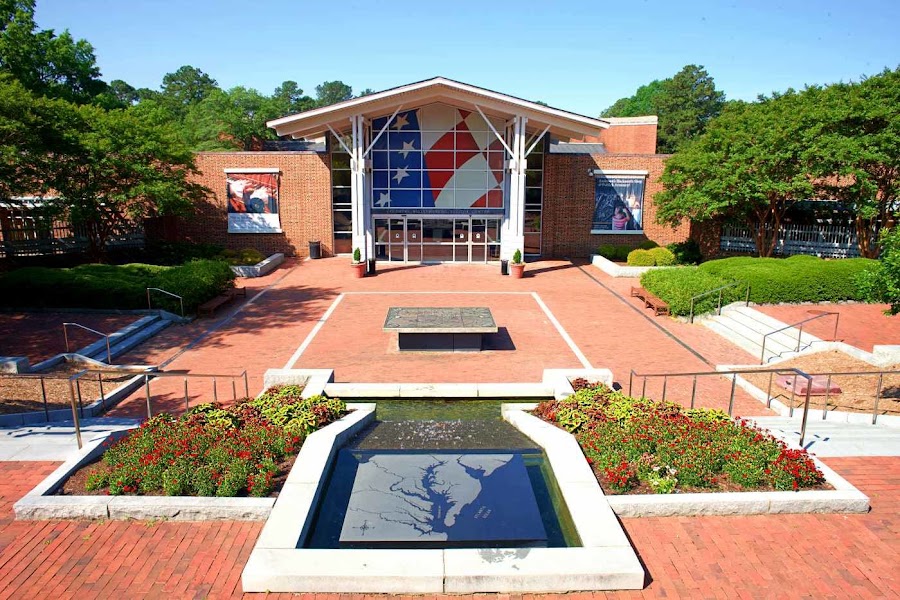
The site of the last major engagement of the American Revolutionary War — on October 19, 1781, Lieutenant General Charles Cornwallis surrendered the 8,000-man British Army at Yorktown after a 19-day siege by Washington's Continental Army and the French forces under Rochambeau (combined 17,600 troops). The surrender ended active fighting in the Revolutionary War and ultimately secured American independence. The battlefield is the most intact Revolutionary War site in America: the original siege lines, the two captured British redoubts (Numbers 9 and 10), the Moore House (where the surrender terms were negotiated on October 18), and Washington's headquarters tent are all preserved or reconstructed on the original ground. The NPS visitor center has the largest collection of Revolutionary War military artifacts in the United States.
🍽️
Lunch
Yorktown Victory Monument & American Revolution Museum
4.8
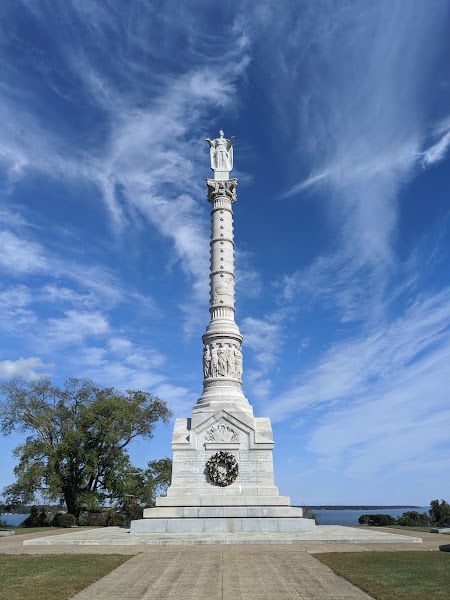
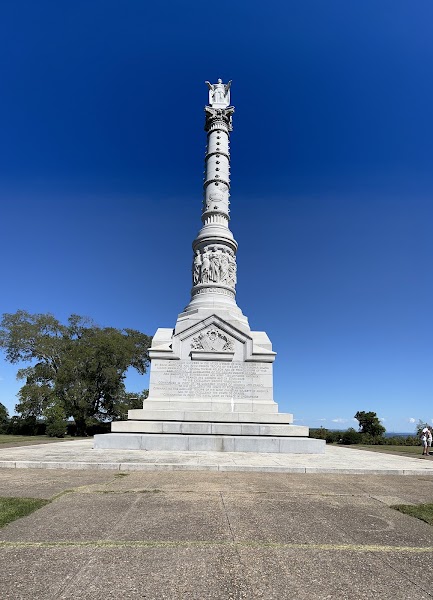
The Yorktown Victory Monument (1884, 84-foot granite column) was authorized by Congress in 1781 the day after the surrender and took 100 years to build — the delays and political compromises of the post-Revolutionary century are themselves a story. The adjacent American Revolution Museum at Yorktown (2016, Jamestown-Yorktown Foundation) uses artifact-intensive gallery design, a recreated Continental Army encampment, and an 18th-century farm to cover the full scope of the Revolution with special emphasis on the perspectives of women, enslaved people, Loyalists, and Native American participants who are absent from traditional battlefield commemorations.
☀️
Afternoon
Yorktown Village & York River Waterfront
4.6
The small colonial tobacco port where the battle was fought — Yorktown has been preserved as a near-intact 18th-century tobacco town, with the 1707 Grace Church, the Nelson House (1711, Thomas Nelson Jr.'s family home, scarred by American cannon fire during the siege — Nelson reportedly directed artillery to fire on his own house to dislodge British officers), and the Main Street commercial buildings of the 1700s. The York River waterfront below the bluff was the scene of the British fleet's desperate attempt to evacuate the army across to Gloucester Point on the night of October 16–17, 1781 (abandoned due to storms). The beach walk below the bluff and the river views north toward the Chesapeake are quiet and undervisited.
🌙
Evening
🚗
Drive
Yorktown, VARichmond, VA
1 hr 15 min5:00 PM6:15 PM
Plan your own escapeExplore more trips →