🏛️ CulturalLong weekend · from Savannah, GA

Savannah Squares, Fort Pulaski & Telfair Museums

Three days through the full breadth of Savannah's historical layers — the 18th-century planned city on day one, the Civil War coastal defense history at Fort Pulaski on day two, and the Telfair Museums collection on day three. Fort Pulaski National Monument is one of the most important sites in American military engineering history: a brick masonry fort completed in 1847 (with Robert E. Lee's engineering supervision as his first post) that was rendered militarily obsolete in 30 hours on April 11-12, 1862 by Union rifled artillery. The event ended the era of masonry fortification and changed the nature of permanent defenses in modern warfare. The Telfair Museums (three institutions: Telfair Academy, Owens-Thomas House, Jepson Center) constitute the oldest public art museum in the American South and the repository of the Bird Girl sculpture from Midnight in the Garden of Good and Evil. The Owens-Thomas House (1819, William Jay architect) is widely considered the finest example of English Regency architecture in the United States.

Day 1 — Savannah squares walk, Mercer-Williams House, Telfair Academy (Bird Girl sculpture), overnight SavannahDay 2 — Fort Pulaski NM (1862 masonry fortification end), Old Fort Jackson (1808), Tybee Island Lighthouse, overnightDay 3 — Owens-Thomas House (finest English Regency in US), Bonaventure Cemetery, return
Day 1Savannah Historic District

Day 1Savannah Historic District

📍 4 stops
🌅
Morning
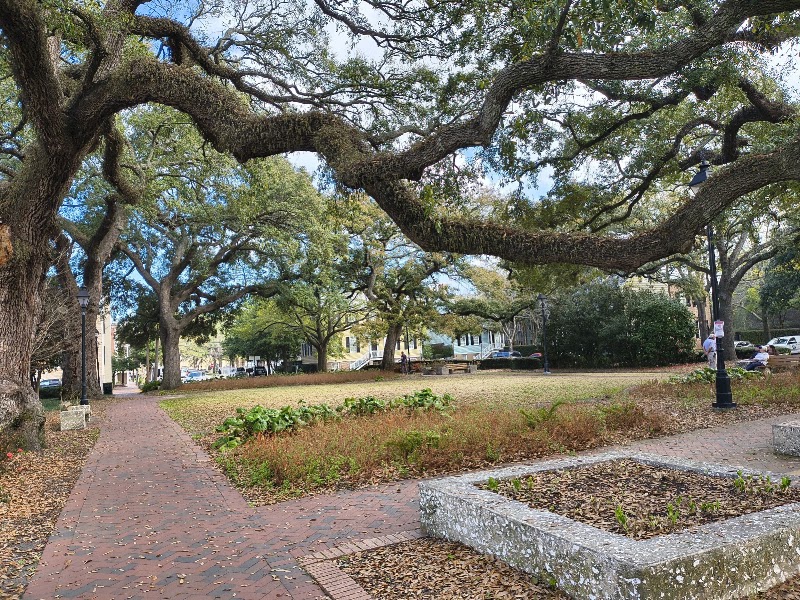
Savannah Historic Squares — Oglethorpe Plan
4.8
James Oglethorpe's 1733 ward plan — 22 park squares in a grid, each flanked by residential and trust lots in a repeating pattern that scaled as Savannah grew. The squares function as neighborhood parks, event spaces, and the visual and social anchors of the historic district. A morning walk connecting Johnson, Reynolds, Warren, Washington, Franklin, Ellis, Columbia, Greene, Telfair, Wright, Oglethorpe, Chippewa, and Madison Squares covers the oldest section of the plan in 2 hours.
🍽️
Lunch
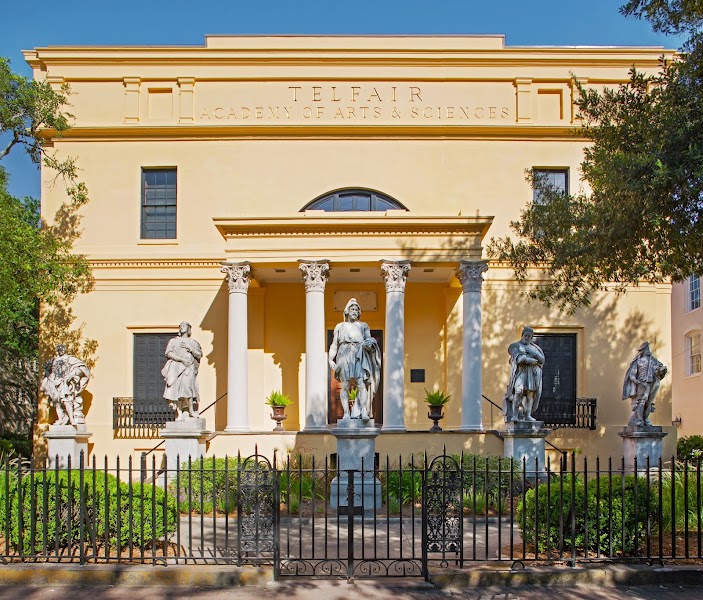
Telfair Academy — Bird Girl & Regional Art
4.6
The Telfair Academy of Arts and Sciences — the oldest public art museum in the American South, in the 1819 Telfair family mansion designed by William Jay. The museum holds Sylvia Shaw Judson's Bird Girl sculpture — the cemetery statue photographed for the cover of Midnight in the Garden of Good and Evil, moved from Bonaventure Cemetery to the museum in 1997 after visitor overload damaged the gravesite. The collection also includes the most significant regional Southern art collection outside Atlanta.
☀️
Afternoon
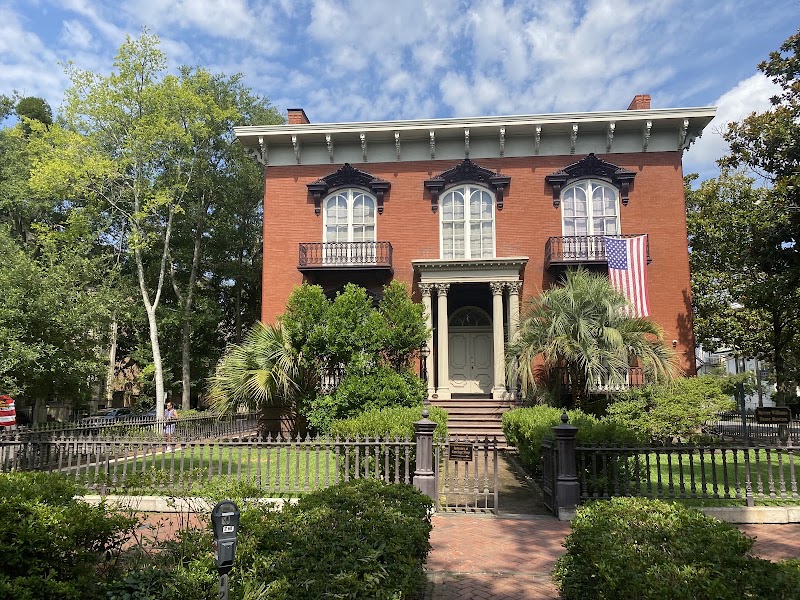
Mercer-Williams House & Evening Historic District
4.6
The Mercer-Williams House guided tour and an afternoon in the Midnight in the Garden of Good and Evil landscape — Monterey Square (where the house faces), the Forsyth Park fountain (where the Bird Girl originally stood in the book), the Hamilton-Turner Inn (Joe Odom's rental party house in the book), and the Green-Meldrim House (Sherman's headquarters during the famous 1864 Christmas gift to Lincoln).
🌙
Evening
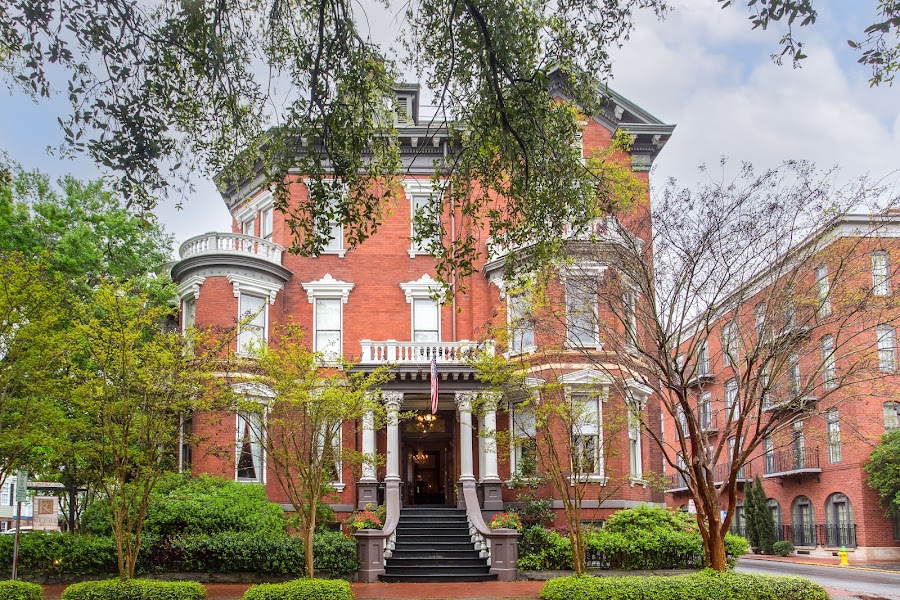
Kehoe House — Savannah
4.9
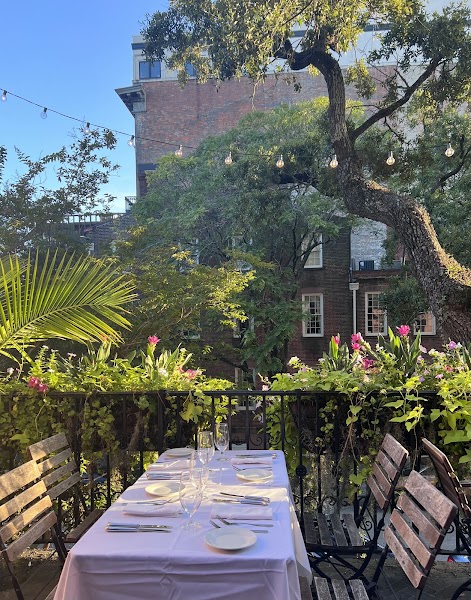
The Kehoe House (1892 Queen Anne Revival on Columbia Square) — one of Savannah's most celebrated boutique hotels, in an elaborate Victorian mansion built by iron foundry owner William Kehoe. The inn has 13 rooms, all in period-appropriate Victorian decor; the location on Columbia Square puts it within 2 blocks of Factor's Walk and the Savannah River. Breakfast included.
Day 2Fort Pulaski NM — Tybee Island

Day 2Fort Pulaski NM — Tybee Island

🚗 50 min driving📍 4 stops
🌅
Morning
🚗
Drive
Savannah Historic DistrictFort Pulaski National Monument
30 min8:00 AM8:30 AM
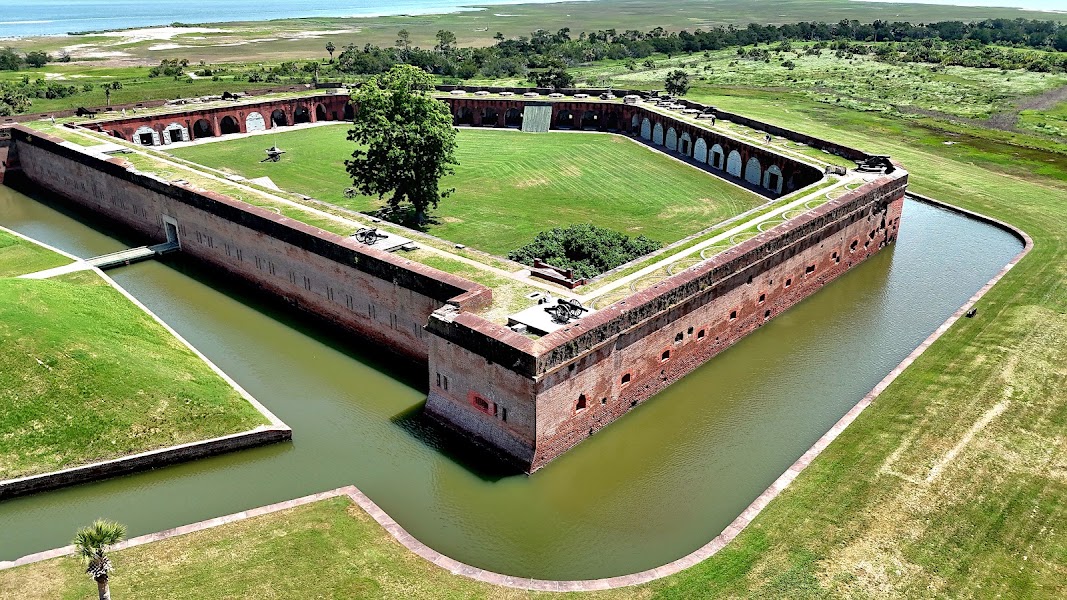
Fort Pulaski National Monument
4.8
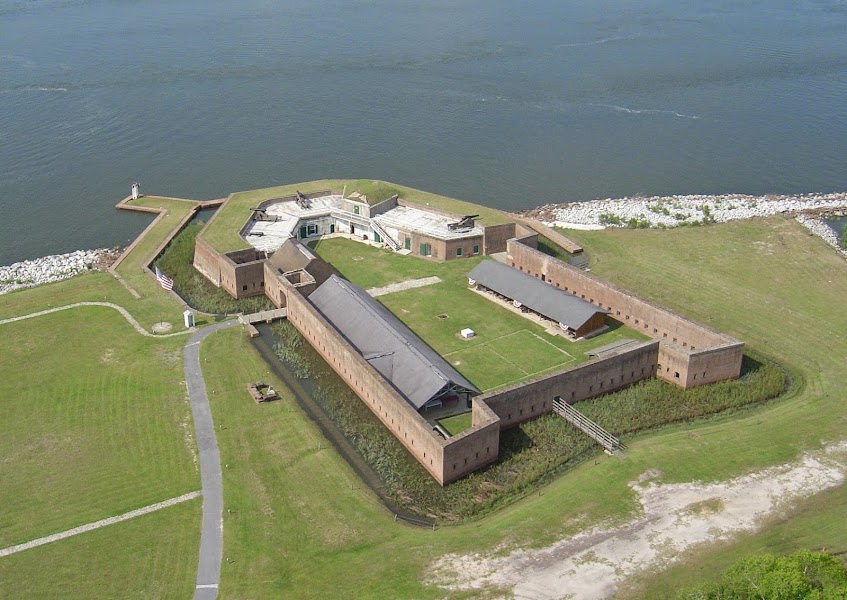
Fort Pulaski NM — a 5-sided brick masonry fort (completed 1847) on Cockspur Island at the Savannah River entrance, named for Revolutionary War hero Count Pulaski. The fort was taken by Confederate forces in 1861; on April 11-12, 1862, Union forces on Tybee Island used newly developed Parrott rifled artillery to breach the 7-foot-thick masonry walls in 30 hours, ending the era when masonry fortifications were considered impregnable. The breach in the wall — still visible — is the most significant physical evidence of this technological turning point in American military history.
🍽️
Lunch
🚗
Drive
Fort Pulaski NMTybee Island, GA
20 min9:30 AM9:50 AM
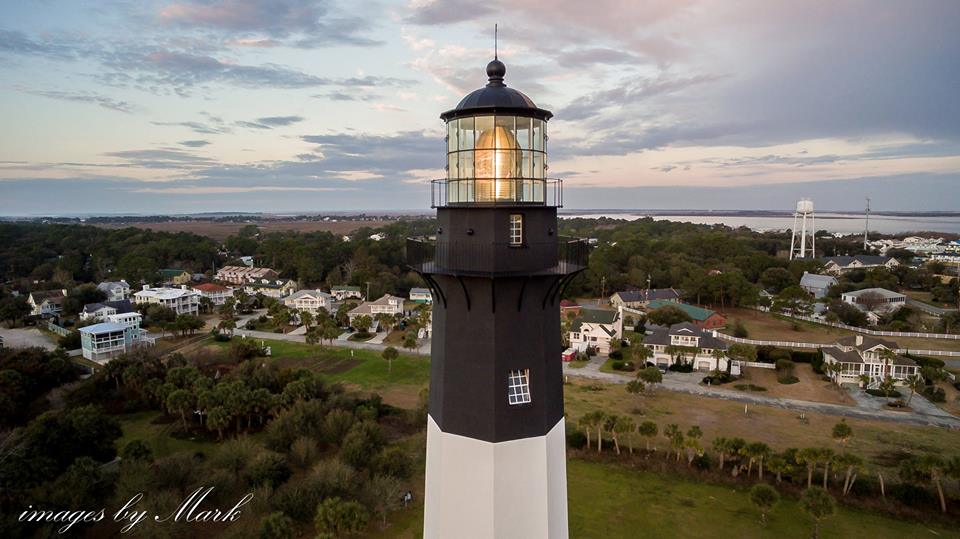
Tybee Island Lighthouse — 1742
4.7
The Tybee Island Lighthouse — established 1742 by the Georgia colonial government as the first lighthouse in the colony (one of the oldest in the United States), rebuilt to its current 154-foot form in 1867. The lighthouse is the oldest lighthouse in Georgia and is still active as a US Coast Guard aid to navigation. The 154-step climb provides views of the Savannah River entrance, Fort Pulaski across the river, and the open Atlantic.
☀️
Afternoon
Old Fort Jackson — 1808 Coastal Defense
4.7
Old Fort Jackson on the Savannah River upstream from Pulaski — the oldest standing brick fort in Georgia (1808, second US system coastal defense), built on the site of a colonial-era earthwork. The fort was active from the War of 1812 through the Civil War; it protected Savannah from river approach while Fort Pulaski guarded the sea approach. The fort's cannon demonstrations and period military demonstrations run on weekends. The river view from the fort ramparts shows Savannah's industrial port in operation alongside the colonial-era fortification.
🌙
Evening
Tybee Island — Beachside Inn
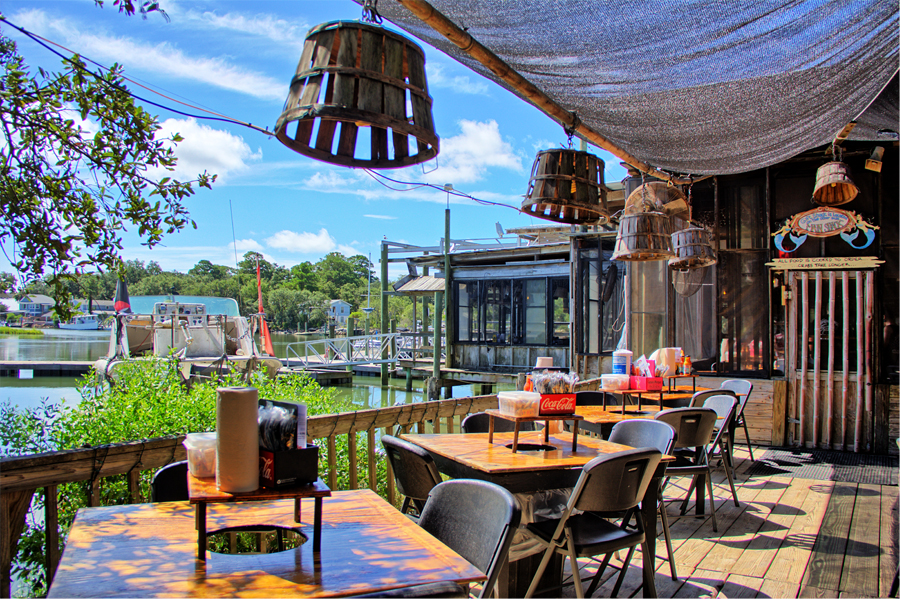
Overnight on Tybee Island — the DeSoto Beach Hotel and the Tybee Island Inn are the most characteristic mid-range accommodations on the island. The Tybee waterfront restaurants serve Georgia coast seafood; the North Beach area near the lighthouse is the quieter evening option versus the busy Pier area.
Day 3Owens-Thomas House — Bonaventure — Savannah
Day 3Owens-Thomas House — Bonaventure — Savannah
🚗 45 min driving📍 2 stops
🌅
Morning
🚗
Drive
Tybee Island, GASavannah — Owens-Thomas House
30 min8:00 AM8:30 AM
Owens-Thomas House & Slave Quarters
4.5
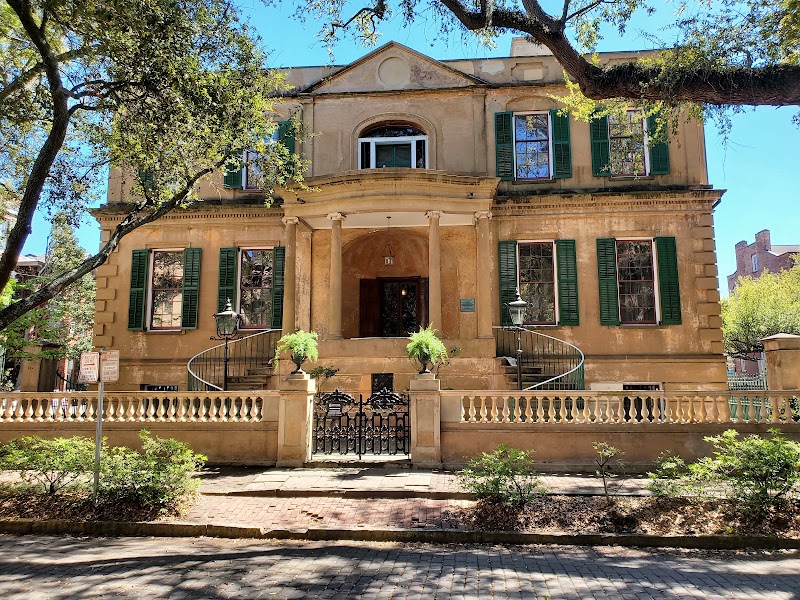
The Owens-Thomas House (1819, William Jay architect) — widely considered the finest example of English Regency architecture in the United States, with a porch balcony from which the Marquis de Lafayette addressed a Savannah crowd in 1825. The house contains the most complete and best-preserved urban slave quarters surviving in the American South — the 1820s slave quarters in the carriage house were occupied by enslaved people of all ages and are interpreted in depth through the Telfair Museums' guided tour program. The interpretation of the slave quarters was a pioneering effort in American historic sites when it began in 2018.
🍽️
Lunch
Bonaventure Cemetery — Morning Visit
4.7
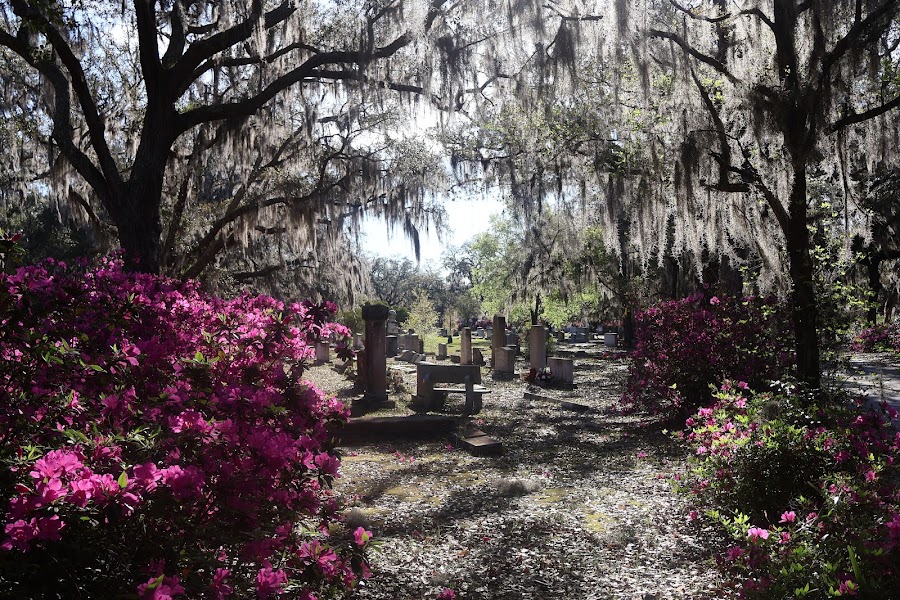
Bonaventure Cemetery on the Wilmington River bluff — the Victorian-era cemetery made famous by Midnight in the Garden of Good and Evil and photographed extensively for its live oak alleys, Spanish moss, and 19th-century iron and marble monuments. Johnny Mercer's grave (Section H) is the most visited; the cemetery's oldest section contains graves from the 1840s-1860s alongside the original plantation owner's graves. John Muir camped in the cemetery in 1867 and wrote about the live oak canopy in A Thousand-Mile Walk to the Gulf.
🌙
Evening
🚗
Drive
Bonaventure CemeterySavannah, GA
15 min5:00 PM5:15 PM
Plan your own escapeExplore more trips →