🥾 ActiveLong weekend · from Tampa, FL
Crystal River Manatees, Three Sisters Springs & Cedar Key Kayak
Three days up Florida's Nature Coast — the 150-mile stretch of Gulf Coast north of Tampa where there are no beaches and the water gets clear and cold from limestone springs. Crystal River's Kings Bay is home to the largest concentration of wintering West Indian manatees in the United States; Three Sisters Springs (a spring complex within Kings Bay) allows snorkeling with the manatees in water that stays at 72°F year-round. Weeki Wachee Springs has been staging underwater mermaid performances since 1947. Cedar Key, a cluster of barrier islands 2.5 hours north, is one of the most remote Gulf Coast villages accessible by road from Tampa.
Day 1 — Weeki Wachee Springs (1947 mermaid show), Kings Bay paddling, overnight Crystal RiverDay 2 — Three Sisters Springs manatee snorkel, Kings Bay kayak circuit, overnight Crystal RiverDay 3 — Cedar Key NWR island kayak (Seahorse Key, Atsena Otie Key), return Tampa
Day 1 — Crystal River, FL
Day 1 — Crystal River, FL
🚗 1 hr 30 min driving📍 5 stops
🌅
Morning
🚗
Drive
Tampa, FL → Weeki Wachee Springs State Park — Weeki Wachee, FL
1 hr
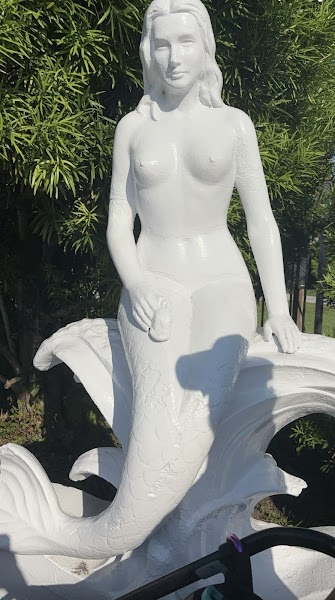
Weeki Wachee Springs — Mermaid Show
★ Reviews →The only city in the United States officially named after a roadside attraction — Weeki Wachee Springs has staged underwater mermaid performances since 1947, when former Navy frogman Newton Perry trained women to breathe air from a hose while performing underwater ballets for audiences seated in a submerged amphitheater. The spring flows at 117 million gallons per day at 72°F; the performers breathe from air hoses hidden in the set and can remain underwater for a 30-minute show. Weeki Wachee became a Florida State Park in 2008, preserving the shows; the Buccaneer Bay water park on the spring run is the swimming complement to the performance theater.
~30 min📍 See location
🍽️
Lunch
🚗
Drive
Weeki Wachee, FL → Kings Bay — Crystal River, FL
30 min
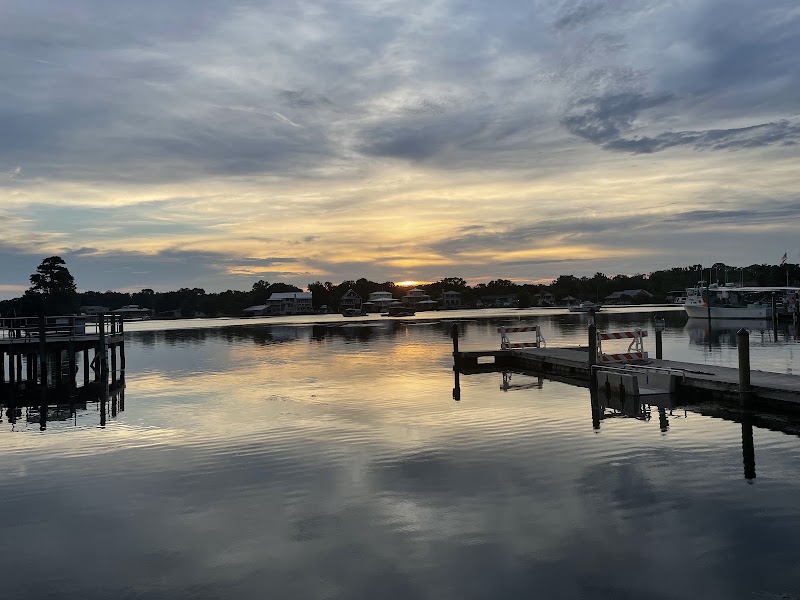
Kings Bay Kayak — Crystal River NWR
★ Reviews →Kings Bay is a 600-acre spring-fed bay at the head of the Crystal River that serves as the primary wintering ground for West Indian manatees on the US Atlantic and Gulf Coasts — between November and March, upward of 600 manatees congregate in the bay and its spring systems to maintain body temperature in the 72°F spring water. Rental kayaks and paddleboards launch from several outfitters on US-19 in Crystal River and provide access to the open bay, the grass flats where manatees graze, and the approach to Three Sisters Springs. The Crystal River NWR has designated swim-with-manatee zones where non-motorized vessel access is permitted.
~1 hr📍 See location
☀️
Afternoon
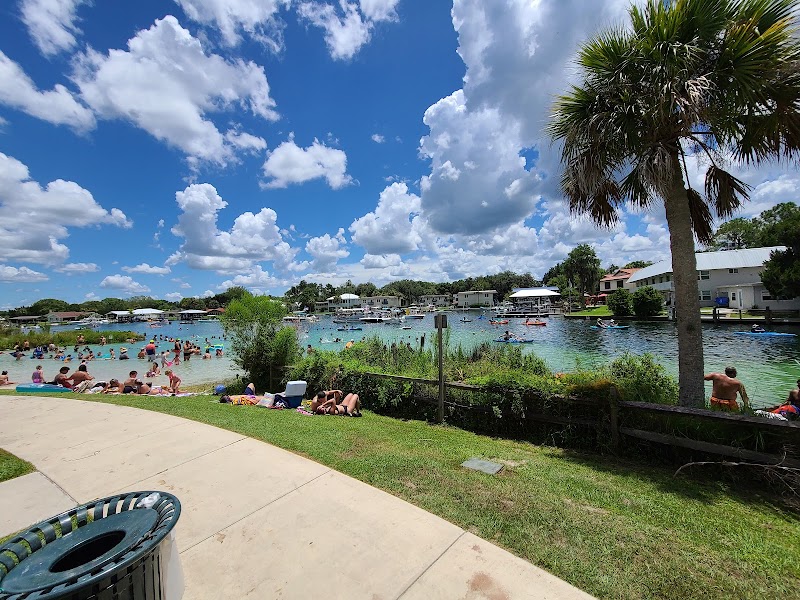
Hunter Spring Park & Crystal River Historic District
★ Reviews →Hunter Spring Park at the edge of Crystal River provides free public access to spring-fed snorkeling in a 72°F first-magnitude spring that flows directly into Kings Bay. The spring head is a small park with a swim area, wooden dock, and picnic area; the clarity is high enough to see bottom at 10–15 feet depth. The Crystal River Archaeological State Park (2 miles from downtown) preserves a complex of 6 mounds built by pre-Columbian people who lived at this spring site for 1,600 years (200 BCE–1400 CE) — one of the longest continuously occupied prehistoric sites in Florida.
~1 hr📍 See location
🌙
Evening
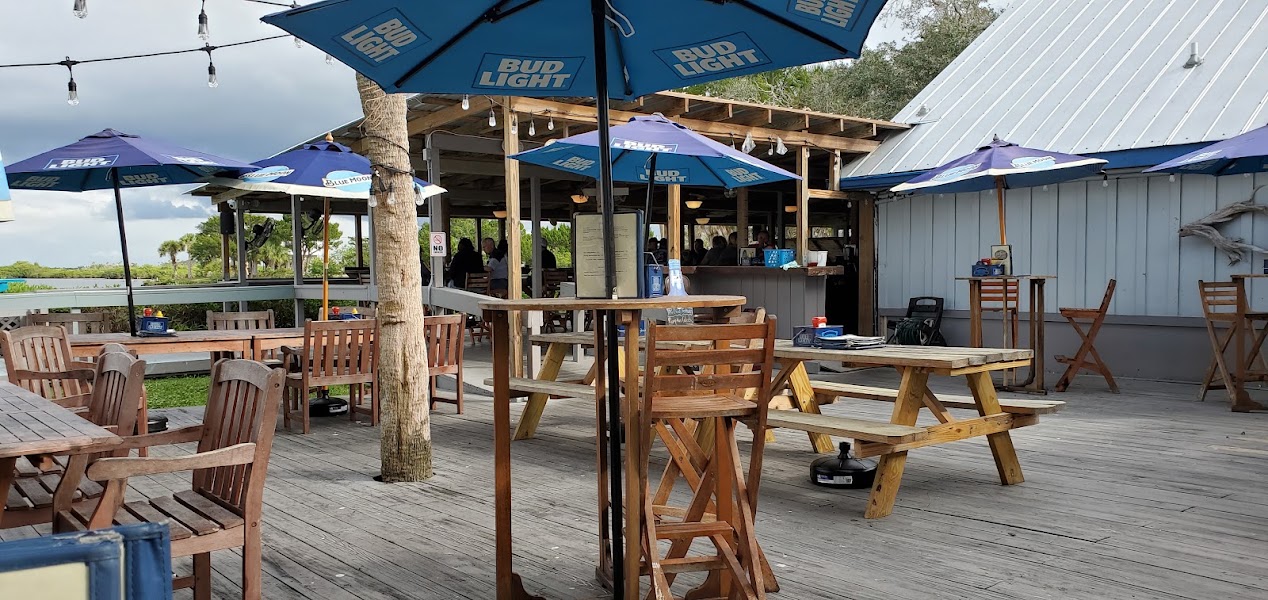
Peck's Old Port Cove
★ Reviews →Straight-up crab, shrimp & oyster entrees are served in a rustic, waterfront atmosphere.
~1 hr📍 See location
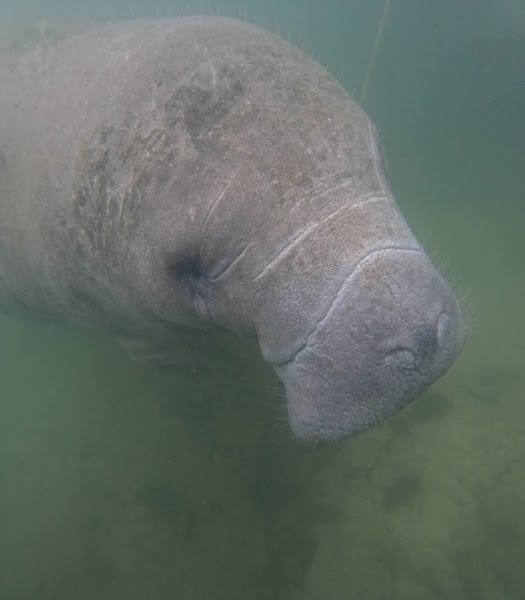
Plantation Adventure Resort — Crystal River, FL
★ Reviews →A full-service resort on Kings Bay with a private marina, dive shop, kayak and paddleboard rentals, and guided manatee tour departures from the dock. The resort has been the base for Crystal River manatee tours since the 1970s and can arrange the Three Sisters Springs snorkel tour for early the following morning. The alternative is the Kings Bay Lodge or one of the marina-side motels on US-19.
Day 2 — Three Sisters Springs & Crystal River
Day 2 — Three Sisters Springs & Crystal River
🚗 5 min driving📍 5 stops
🌅
Morning
🚗
Drive
Crystal River Resort → Three Sisters Springs — Crystal River NWR
5 min
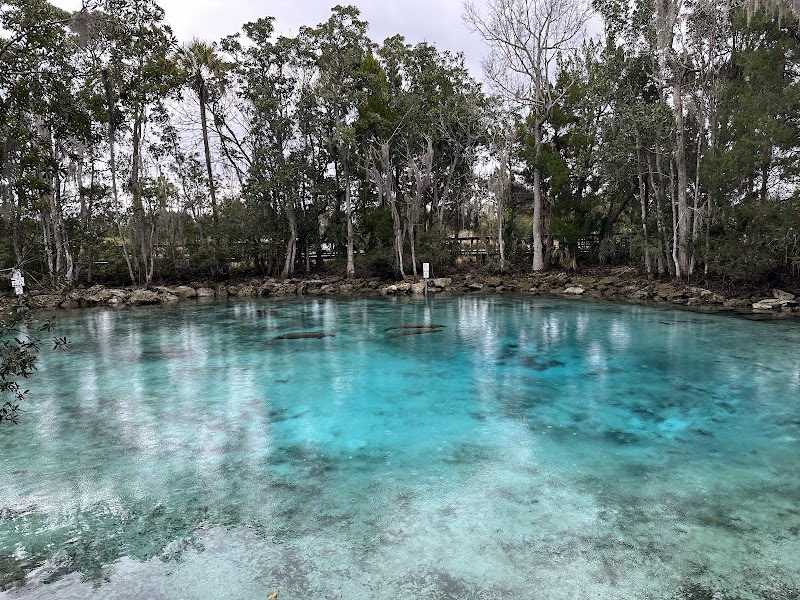
Three Sisters Springs — Manatee Snorkel Tour
★ Reviews →Three connected spring vents in Kings Bay — the most popular manatee-snorkel destination in the United States. The springs flow at approximately 60 million gallons per day, maintaining 72°F water year-round; in winter, manatees cluster in the spring cavities to maintain their body temperature (below 68°F, manatees develop cold stress syndrome). Snorkelers can observe manatees resting on the bottom, nursing calves, and interacting with each other in water 8–15 feet deep with 30-foot horizontal visibility. Strict passive-observation rules apply: no touching, no riding, no blocking a manatee's path to the surface. Guided tours are mandatory in the springs; morning is the best time for the highest manatee density.
~1 hr📍 See location
🍽️
Lunch
Kings Bay Grass Flat Kayak — Afternoon Circuit
★ Reviews →The afternoon kayak circuit from Hunter Spring across the Kings Bay grass flats toward the mouth of the Crystal River — the seagrass beds in Kings Bay are the primary manatee grazing habitat in the bay, and manatees (particularly in the warmer months when they scatter from the spring concentrations) can be observed grazing on turtle grass in water 3–5 feet deep. The circuit also passes several smaller springs visible as boils on the bay surface, and the Archaeological State Park mound complex is accessible via a channel on the bay's east shore.
~1 hr📍 See location
☀️
Afternoon
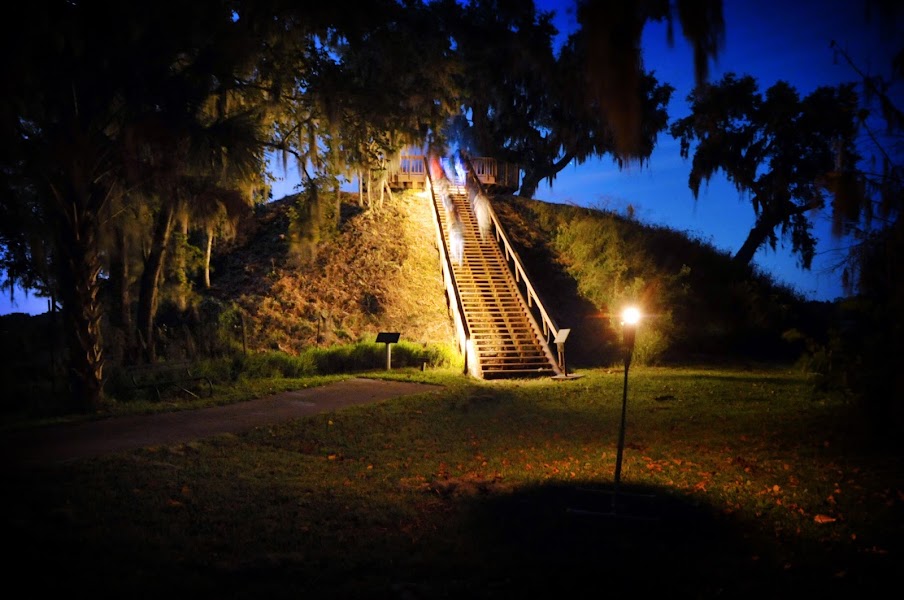
Crystal River Archaeological State Park — Mound Complex
★ Reviews →Six Native American mounds built from approximately 200 BCE to 1400 CE — a temple mound, a burial mound, a stelae complex, and three smaller earthworks from one of the longest continuously occupied pre-Columbian sites in Florida. The stele field contains two carved stone monuments (the only known carved stone monuments of this type in Florida) that indicate cultural connections to the Hopewellian tradition of the Ohio Valley. The site was a pilgrimage destination for over 1,600 years; archaeologists estimate that during peak use, 7,500 people lived at or regularly visited the site annually.
~1.5 hrs📍 See location
🌙
Evening
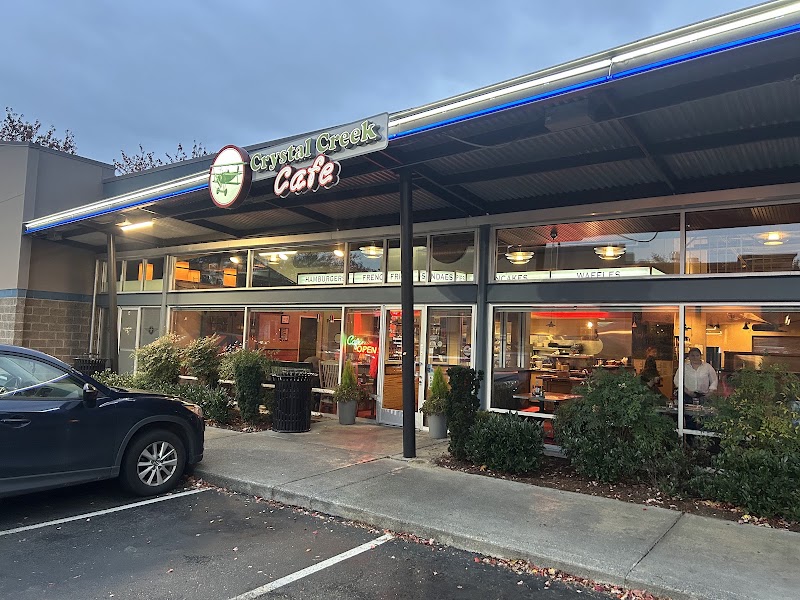
Crystal Creek Cafe
★ Reviews →Retro diner dishing up classic comfort fare, such as meatloaf & chicken-fried steak.
~1 hr📍 See location
Plantation Adventure Resort — Night Two
★ Reviews →A second night at the Crystal River resort before tomorrow's drive north to Cedar Key. Cedar Key's only lodging options (Island Hotel, low-key rentals) are more rustic; the Crystal River lodging is the more comfortable base. Tomorrow's drive to Cedar Key is 1.5 hours north on US-19 and FL-24.
~1.5 hrs📍 See location
Day 3 — Cedar Key — Return to Tampa
Day 3 — Cedar Key — Return to Tampa
🚗 4 hr driving📍 3 stops
🌅
Morning
🚗
Drive
Crystal River, FL → Cedar Key, FL
1 hr 30 min
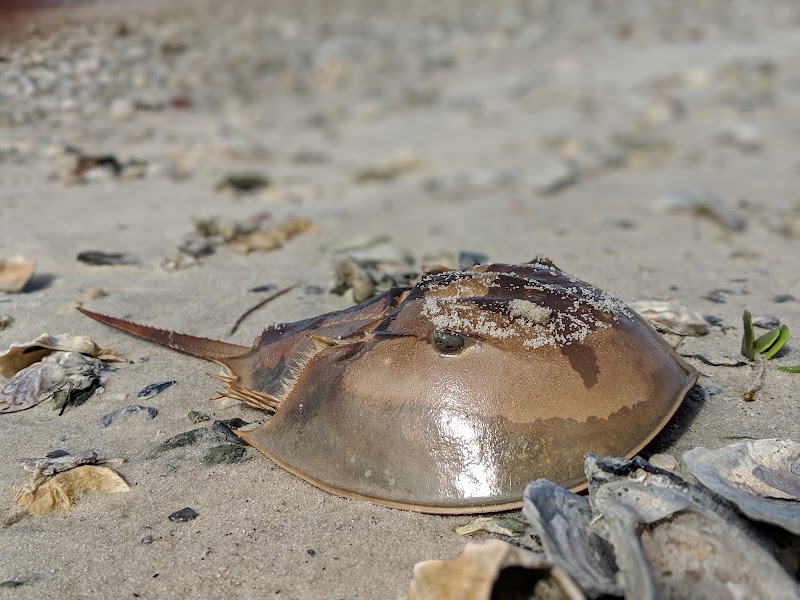
Cedar Key NWR — Island Kayak (Seahorse Key, Atsena Otie Key)
★ Reviews →Cedar Key National Wildlife Refuge encompasses 13 islands in the Gulf of Mexico off the Suwannee coast — accessible only by boat or kayak, with no development beyond a lighthouse on Seahorse Key. Seahorse Key houses the largest wading bird nesting colony in the eastern Gulf of Mexico (April–June); the nesting season temporarily closes the island, but paddling around its circumference gives views of the colonies. Atsena Otie Key (1.5 miles from Cedar Key) has the ruins of the pre-Civil War pencil factory and a restored pioneer cemetery — Cedar Key was the site of Eberhard Faber's cedar pencil mill before the red cedar forests were exhausted in the 1890s.
~1 hr📍 See location
🍽️
Lunch
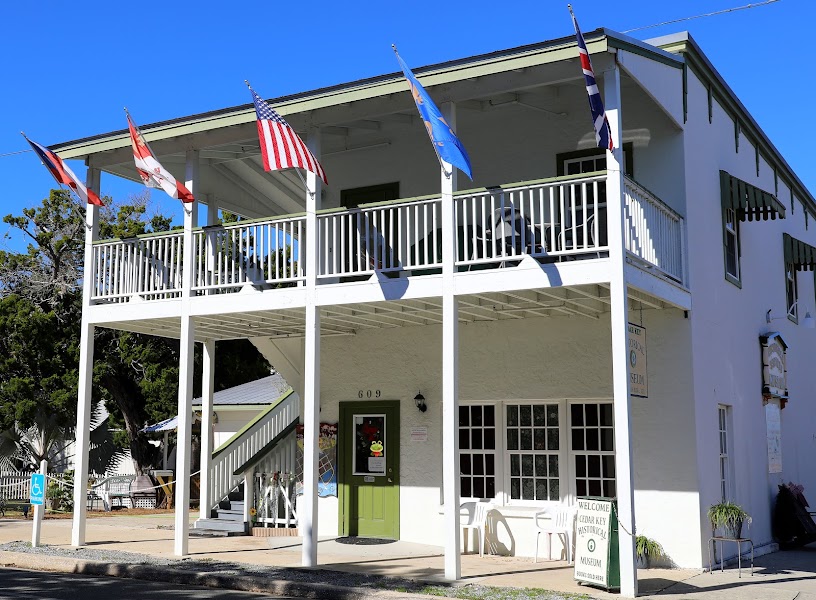
Cedar Key Historic District & Dock Street
★ Reviews →Cedar Key's main island (Way Key) has a small fishing village surviving from the late 19th century — Dock Street's wooden buildings over the water house seafood restaurants, an art gallery, and a working clam farm distribution facility. Cedar Key was the western terminus of the first cross-Florida railroad (1861, built by David Levy Yulee), a Confederate sympathizer who wanted a Gulf port not accessible to Union blockade warships. The railroad never recovered from wartime destruction; the town remained isolated until FL-24 was built in 1929. Cedar Key clams (Venus mercenaria, farmed in the surrounding tidal waters) supply approximately 30% of Florida's commercial hard clam production.
~1 hr📍 See location
☀️
Afternoon
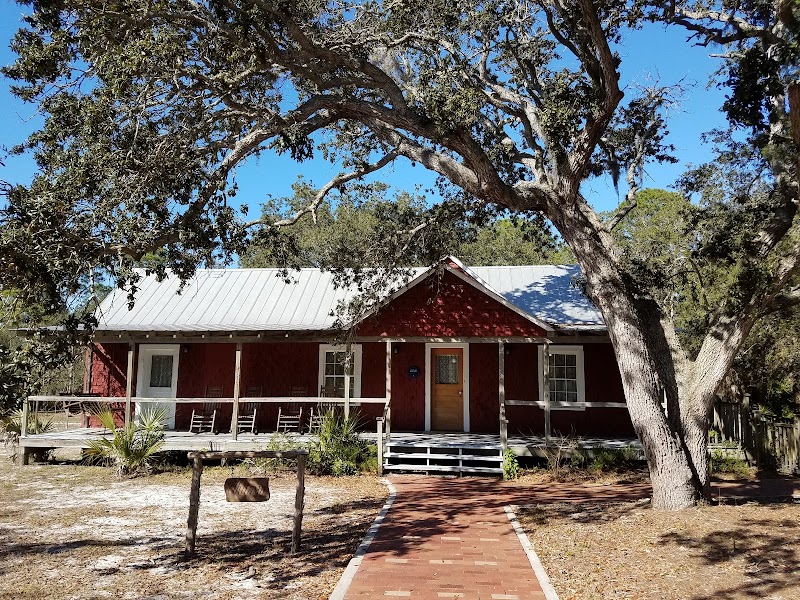
Cedar Key Museum State Park
★ Reviews →The Cedar Key Museum in the island's historic district covers the town's remarkable economic history — from the 1840s (one of the largest seaports in the South and the end of the Florida Railroad) through the cedar pencil industry collapse, the oystermen's and commercial fishermen's era (1880s–1960s), and the contemporary clam aquaculture industry that now defines the local economy. The museum's natural history collection includes specimens of the plant and animal species of the surrounding Big Bend coastal marsh and the offshore seagrass beds, which support Florida's most significant Gulf Coast sea turtle foraging habitat.
~1 hr📍 See location
🌙
Evening
🚗
Drive
Cedar Key, FL → Tampa, FL
2 hr 30 min
← All Tampa trips
More getaways from Tampa
Fort De Soto — Historic Batteries, Gulf Beaches & the Kayak Trail — Day trip🥾Myakka River — The Canopy Walkway, the Airboat & Deep Hole — Weekend🥾Sanibel & Captiva — Ding Darling, Shelling Beaches & Blind Pass — Long weekend🥾Tarpon Springs — The Greek Sponge Docks & St. Nicholas Cathedral — Day trip🏛️Bradenton — De Soto's Landing, the Planetarium & the Village of the Arts — Weekend🏛️The Golden Triangle — Mount Dora, Eustis & Tavares — Long weekend🏛️Anna Maria Island — Old Florida Beach Town, the City Pier & a Gulf Sunset — Day trip🌿Boca Grande — Gasparilla Island's Historic Village, Lighthouse & Tarpon Coast — Weekend🌿
© 2026 theweekendgetaways.com · All itineraries are original content. Terms
Plan your own escapeExplore more trips →