🏛️ CulturalLong weekend · from Tucson, AZ

Mission San Xavier, Biosphere 2 & Tumacacori NHP

Three days covering the full sweep of Tucson's cultural landscape — Spanish colonial mission architecture at Mission San Xavier and Tumacacori, the 1991 closed-ecosystem science experiment at Biosphere 2, and Kitt Peak National Observatory's 24 telescopes on a 6,875-foot mountaintop. Tumacacori National Historical Park (45 miles south of Tucson, near Nogales) preserves the ruins of three Spanish colonial missions — Tumacacori, Calabazas, and Guevavi — with Guevavi being the first permanent Spanish settlement in present-day Arizona, established by Padre Eusebio Kino in 1691. The Tumacacori mission church was under construction from 1800-1822 and never completed; the roofless adobe shell standing in the Santa Cruz River valley is among the most evocative mission ruins in the American West. Kitt Peak on the third day is the largest optical telescope collection in the world at a single site: 24 optical and 2 radio telescopes on the Quinlan Mountains summit, operated by the National Optical-Infrared Astronomy Research Laboratory (NOIRLab) on Tohono O'odham Nation land.

Day 1 — Mission San Xavier del Bac (1797), Arizona-Sonora Desert Museum, Barrio Histórico, overnight TucsonDay 2 — Biosphere 2 Oracle (1991 sealed ecosystem), overnight TucsonDay 3 — Tumacacori NHP (1691 Jesuit mission ruins, Kino churches), Kitt Peak Observatory (24 telescopes, 6,875ft), return
Day 1Mission San Xavier — Arizona-Sonora Desert Museum
Day 1Mission San Xavier — Arizona-Sonora Desert Museum
🚗 40 min driving📍 4 stops
🌅
Morning
🚗
Drive
Tucson, AZMission San Xavier del Bac
15 min8:00 AM8:15 AM
Mission San Xavier del Bac
4.8
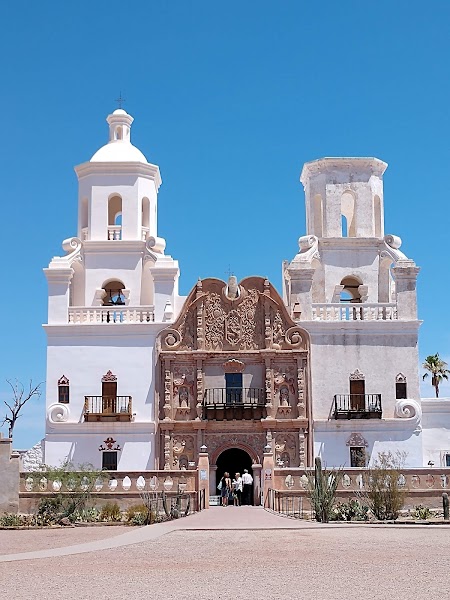
Mission San Xavier del Bac (1797) — 'the White Dove of the Desert,' the finest Spanish colonial Baroque church in the continental United States and an active Tohono O'odham parish. The church was built on the site of Father Eusebio Kino's 1692 mission; the Franciscan padres completed the current structure in 1797 with white-lime exterior plastering, Moorish towers, and a full Mexican Baroque interior with gilded altarpieces, polychrome statuary, and painted walls. The adjacent hilltop chapel and the outdoor wato (a traditional O'odham shade structure used for ceremonies) demonstrate the continuing indigenous use of the site.
🍽️
Lunch
🚗
Drive
Mission San Xavier del BacArizona-Sonora Desert Museum
25 min9:15 AM9:40 AM
Arizona-Sonora Desert Museum
4.8
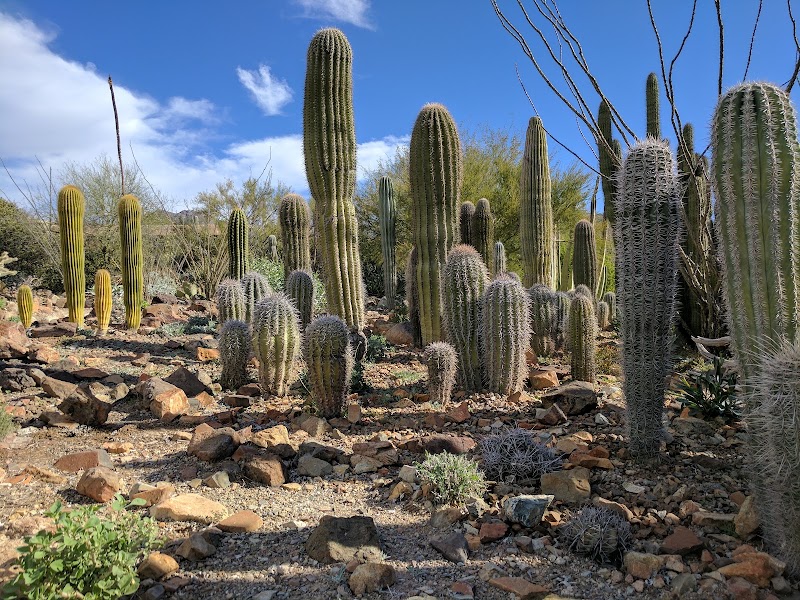
The Arizona-Sonora Desert Museum — 21 acres of open-air zoo, botanical garden, and natural history museum covering the Sonoran Desert biome. The museum's 300 animal species include the mountain lion, black bear, Mexican gray wolf, Sonoran pronghorn, javelina, Gila monster, and 240 bird species; the Hummingbird Aviary is a walk-through enclosure with 14 hummingbird species. Founded in 1952, the museum has been called by the New York Times the most distinctive zoo in the United States.
☀️
Afternoon
Barrio Histórico — 19th-Century Adobe District
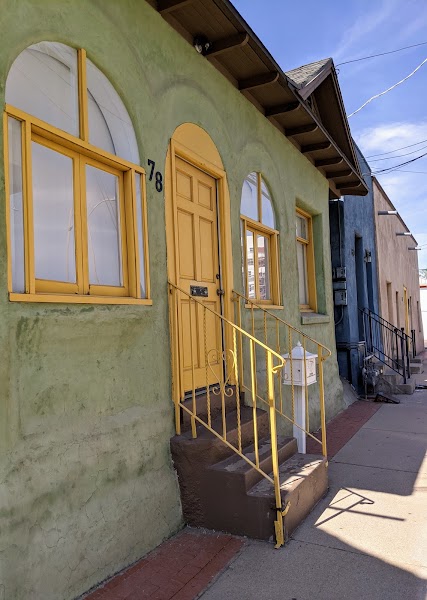
Barrio Histórico in downtown Tucson — the largest intact 19th-century adobe neighborhood in the United States, on the National Register of Historic Places. The Sonoran row house style (party-wall adobe construction, no street setback, internal courtyards) defines the neighborhood's urban form; El Tiradito shrine (the Wishing Shrine, 1870s), the Cushing Street area restaurants, and the mix of original Tohono O'odham and Mexican settler architecture make this the most historically layered neighborhood in Tucson.
🌙
Evening
Tucson — Hotel Night 1
Overnight in Tucson — the Hotel Congress (1919, downtown, John Dillinger captured here 1934), the Arizona Inn (1930 resort, 14 acres, pink adobe casitas), or the Hacienda del Sol Guest Ranch (1929, Catalina foothills, literary history: Katharine Hepburn and Spencer Tracy stayed here) are the most culturally significant accommodations.
Day 2Biosphere 2 — Oracle, AZ

Day 2Biosphere 2 — Oracle, AZ

🚗 1 hr 20 min driving📍 3 stops
🌅
Morning
🚗
Drive
Tucson, AZBiosphere 2 — Oracle, AZ
40 min8:00 AM8:40 AM
Biosphere 2 — Guided Tour
4.5
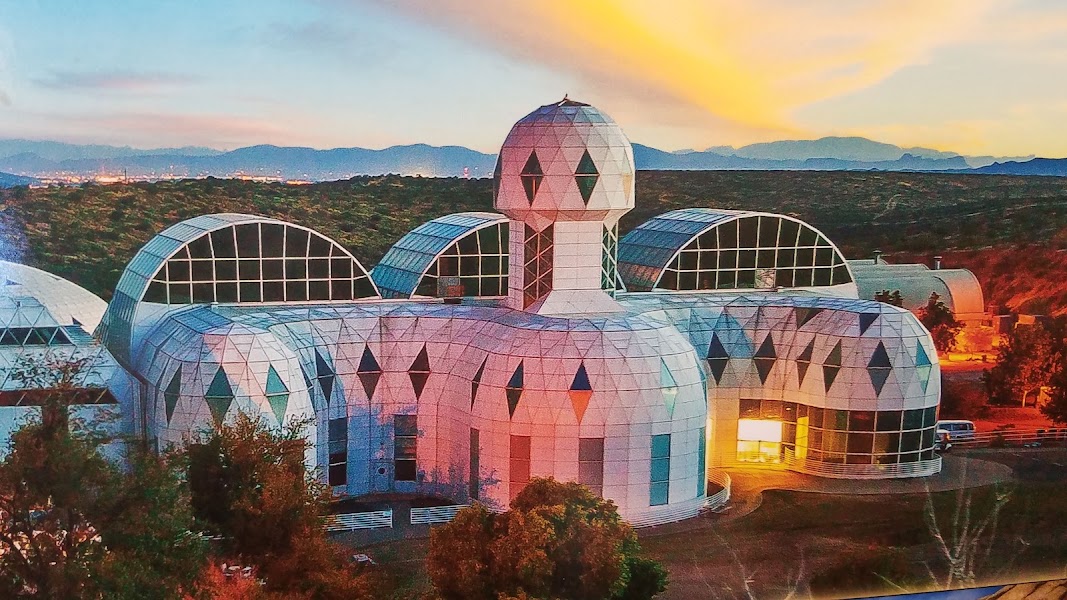
Biosphere 2 guided tour (90 minutes) — the 3.14-acre sealed glass and steel enclosure built 1987-1991, now operated by the University of Arizona as a climate research laboratory. The tour walks through the five sealed biomes: tropical rainforest (the largest sealed rainforest in the world, with its own water cycle), the ocean biome (with a coral reef and wave machine), the mangrove wetland, the savanna, and the thornscrub desert. The 'Lungs' — two giant variable-dome pressure chambers that absorbed atmospheric expansion from heat — are the most architecturally striking elements. Ongoing UArizona research uses the facility for climate change soil and plant experiments.
🍽️
Lunch
Oracle, AZ — Mountain Town Lunch
Oracle village (elevation 4,500ft) — a small mountain town in the Pinal Mountains with the Oracle State Park historic Kannally Ranch (1929) and a handful of local restaurants. Oracle was a mining and ranching supply center in the territorial period; the Mount Lemmon and San Catalina ranges frame the town on both sides.
☀️
Afternoon
🚗
Drive
Oracle, AZTucson, AZ
40 min12:00 PM12:40 PM
🌙
Evening
Tucson — Hotel Night 2
Second night in Tucson — the Congress Street and 4th Avenue areas for dinner and evening options. Tucson's Sonoran Mexican food scene is the defining local culinary experience: El Charro Café (1922, longest continuously operating Mexican restaurant in the US, invented the chimichanga) and Café Poca Cosa are the institutions.
Day 3Tumacacori NHP — Kitt Peak — Return

Day 3Tumacacori NHP — Kitt Peak — Return

🚗 2 hr 45 min driving📍 2 stops
🌅
Morning
🚗
Drive
Tucson, AZTumacacori National Historical Park
45 min8:00 AM8:45 AM
Tumacacori NHP — Kino Mission Ruins
4.8
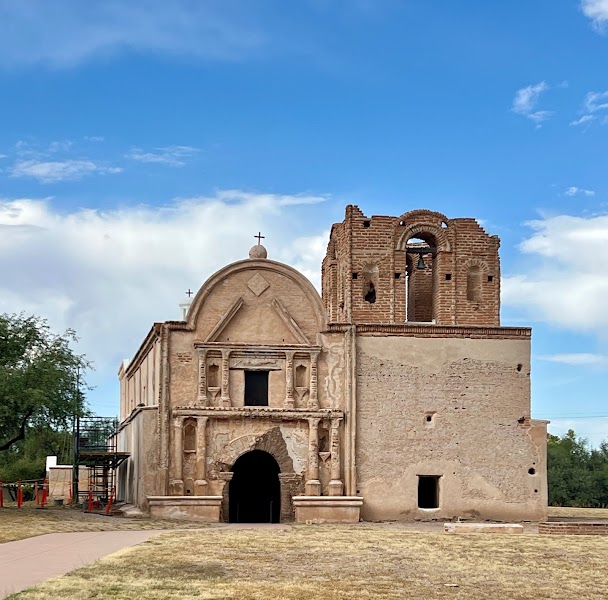
Tumacacori National Historical Park — three Spanish colonial mission ruins in the upper Santa Cruz River valley, preserving the earliest permanent Spanish settlements in present-day Arizona. Father Eusebio Kino established the Guevavi mission (the park's smallest and most remote unit, accessible by guided tour only) in 1691 — the first permanent Spanish mission in what is now Arizona. The main Tumacacori church was begun around 1800 and never completed; the roofless adobe shell with its intact domed sanctuary apse is one of the most evocative mission ruins in the American West. The park museum covers the full O'odham and Spanish colonial contact history.
🍽️
Lunch
🚗
Drive
Tumacacori NHPKitt Peak National Observatory
1 hr9:45 AM10:45 AM
Kitt Peak National Observatory
4.7
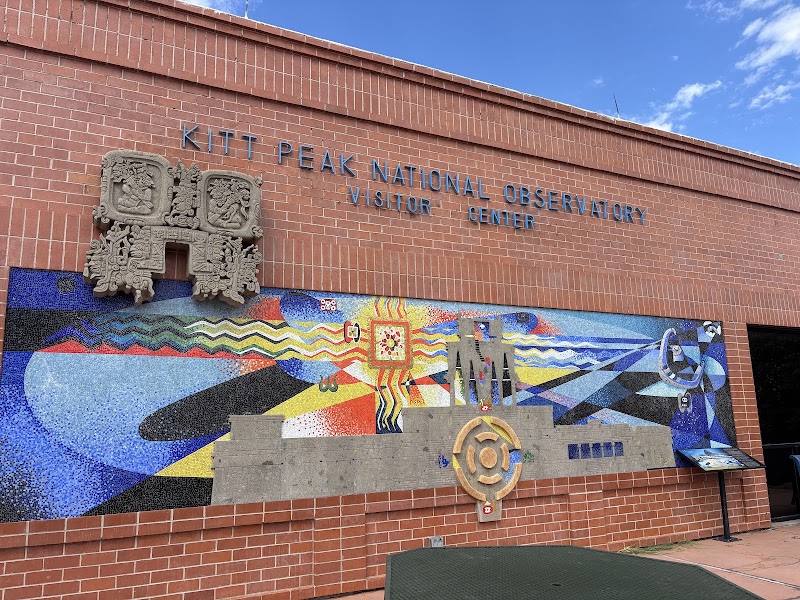
Kitt Peak National Observatory — the world's largest collection of optical and radio telescopes at a single site: 24 optical and 2 radio telescopes on the 6,875-foot Quinlan Mountains summit, on Tohono O'odham Nation land under a cooperative agreement. The Mayall 4-meter telescope (completed 1973) and the Nicholas U. Mayall 4-m telescope are the largest optical instruments; the WIYN 3.5-meter telescope is the sharpest imaging instrument. The visitor center self-guided tour covers 3 telescope domes; the 2-hour guided tour covers the major instruments including the McMath-Pierce Solar Telescope — the largest solar telescope in the world, with a 300-foot diagonal tunnel cutting underground from the summit collector. The observatory is operated by NOIRLab (National Optical-Infrared Astronomy Research Laboratory).
🌙
Evening
🚗
Drive
Kitt Peak ObservatoryTucson, AZ
1 hr5:00 PM6:00 PM
Plan your own escapeExplore more trips →