← The Weekend Getaways
🏛️ CulturalLong weekend · from El Paso, TX

Big Bend Gateway — Alpine, Marathon & the Trans-Pecos Frontier

Three and a half hours southeast of El Paso, the Trans-Pecos country of far West Texas is the emptiest and most romantic corner of the state — a high desert of grasslands, volcanic mountains, and lonely railroad towns strung along the old Southern Pacific line toward Big Bend. This three-day journey traces the human story of that landscape rather than its famous national park: the college town of Alpine, whose Museum of the Big Bend gathers the archaeology, ranching, and border history of the whole region; the tiny cattle-shipping village of Marathon, transformed by the restoration of its 1927 Gage Hotel into a beloved desert oasis; and the oil-and-cavalry town of Fort Stockton, where the Annie Riggs Museum and the great oasis of Comanche Springs tell of the frontier road and the water that made travel across the desert possible. It is a journey through the towns that made survival — and settlement — possible in one of the harshest and most beautiful regions of the American West. Overnights in Alpine and Marathon.

Day 1 — Alpine & the Museum of the Big BendDay 2 — Marathon & the historic Gage HotelDay 3 — Fort Stockton, Annie Riggs Museum & Comanche Springs
Day 1Alpine, TX

Day 1Alpine, TX

🚗 3 hr 20 min driving📍 5 stops
🌅
Morning
🚗
Drive
El Paso, TXAlpine, TX
3 hr 20 min8:00 AM11:20 AM
Downtown Alpine & the Murals
4.6
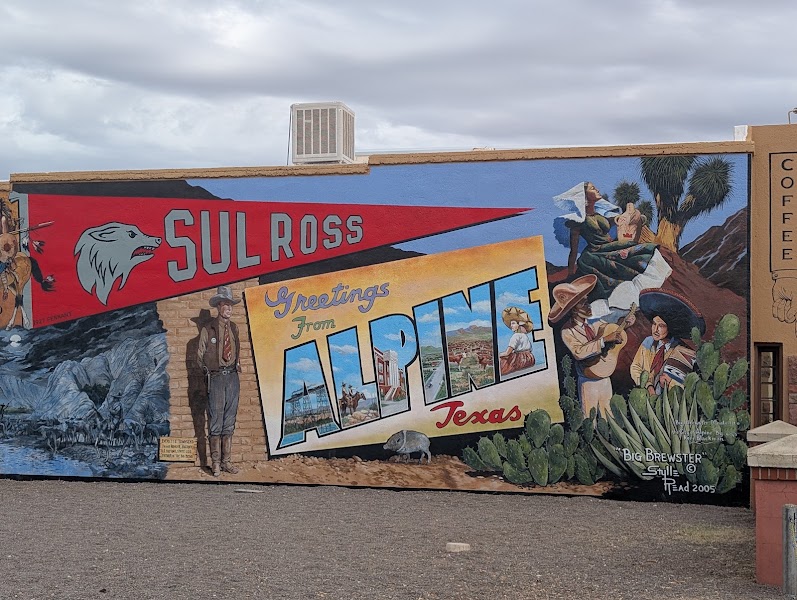
Alpine is the largest town in the vast Big Bend region and the unofficial capital of the Trans-Pecos, a ranching and railroad community that grew up around a Southern Pacific water stop in the 1880s and now serves as the seat of Brewster County — the biggest county in Texas. Ringed by the Davis, Del Norte, and Glass Mountains at a mile of elevation, it enjoys cool nights and clear skies, and its walkable downtown mixes historic brick storefronts with galleries, coffee roasters, and bookstores. A well-known series of outdoor murals scattered across the town's walls depicts local ranching, railroad, and border history, and make a good self-guided introduction on foot. Get your bearings here before the afternoon at the museum, letting the unhurried pace of a real West Texas town settle in.
🍽️
Lunch
🍽️ Lunch12:20 PM
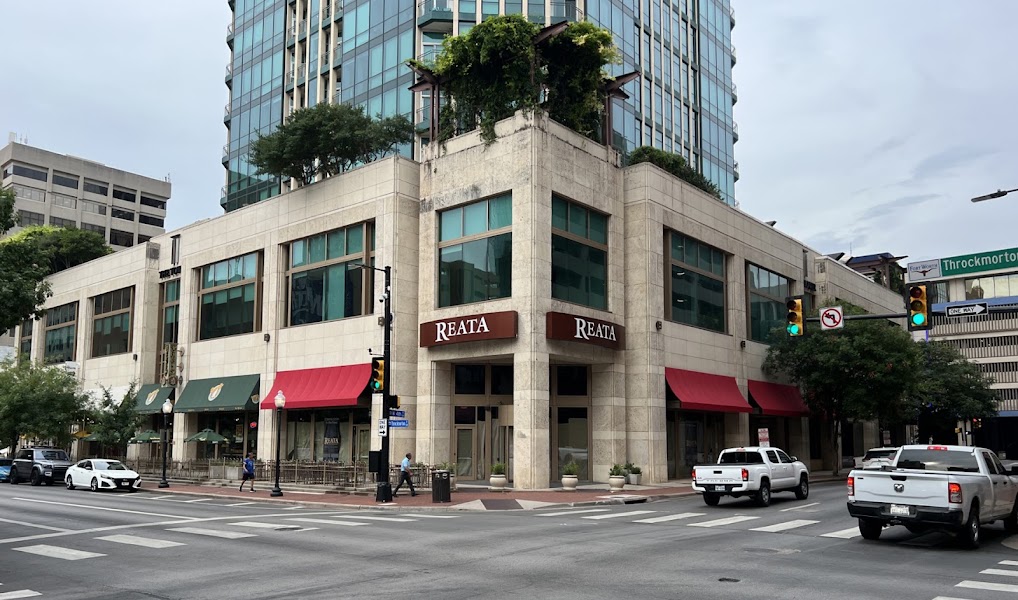
Reata Restaurant
Reata Restaurant
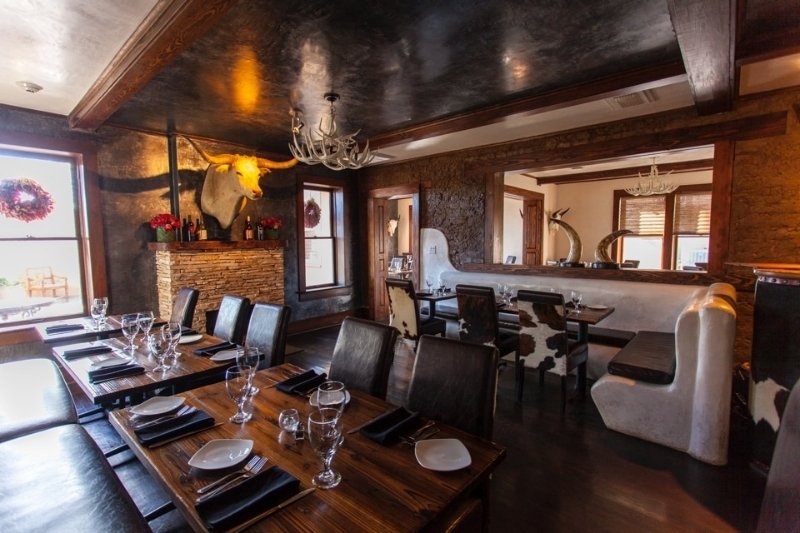
The original Reata, named for the ranch in the 1956 film 'Giant' that was shot in nearby Marfa, has been an Alpine institution for decades, serving elevated 'cowboy cuisine' in a warm, memorabilia-filled dining room downtown. The menu leans into refined West Texas fare — chicken-fried steak, tenderloin tamales, jalapeño-cilantro soup, and mesquite-grilled meats — a step above the region's usual roadside cooking. It is a comfortable, characterful lunch stop and a good introduction to the Trans-Pecos ranching table. Reservations are wise on weekends and during Sul Ross events.
4.5$$bar📍 Maps →
3 options · tap to switch
☀️
Afternoon
Museum of the Big Bend
4.7
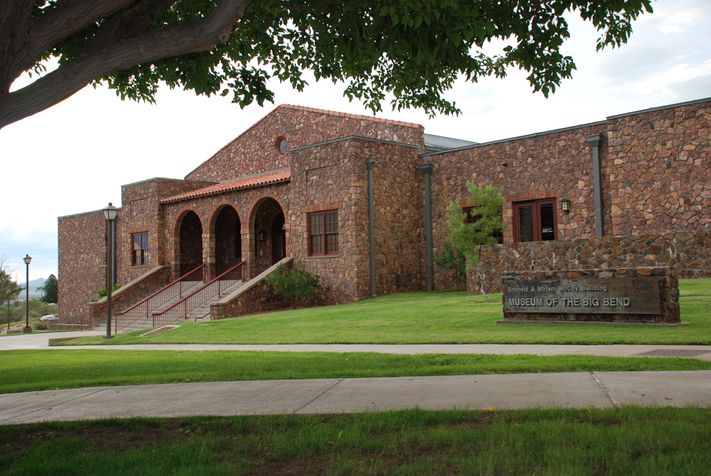
On the campus of Sul Ross State University, the Museum of the Big Bend is the finest interpretive museum of the entire Trans-Pecos region, gathering some 12,000 years of human history across far West Texas and the northern Mexican borderlands. Permanent galleries trace the story from Paleo-Indian and Native peoples through Spanish exploration, Mexican settlement, the cattle empires, the coming of the railroad, and the frontier military, using artifacts, maps, and a renowned collection of historic maps of Texas. Changing exhibitions spotlight regional art, natural history, and border culture, and the museum's cartographic holdings are considered among the best in the Southwest. It is the essential context-setter for the whole journey — a place to understand the landscape you have driven through before exploring the towns strung across it.
Sul Ross State University & Hancock Hill
4.7
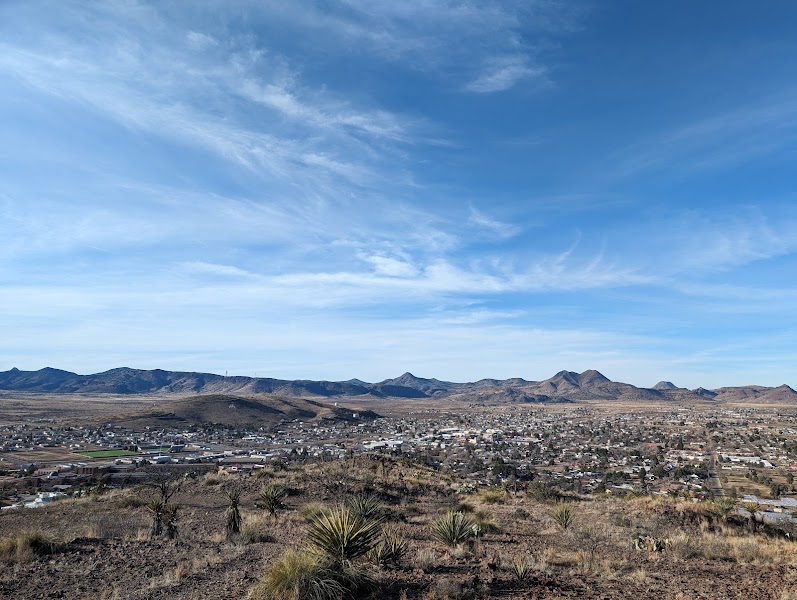
Founded in 1917 and named for the Confederate general and Texas governor Lawrence Sullivan 'Sul' Ross, Sul Ross State University is the intellectual heart of the Big Bend, a small public university that lends Alpine its youthful energy and hosts the region's cultural events, from theater to the annual cowboy poetry gathering. The hillside campus climbs the flank of Hancock Hill, and a short but steep trail from behind the university leads to a local landmark — a battered 'Desk on Hancock Hill,' an actual writing desk hauled up by students decades ago and left there, where hikers sign a notebook and take in a sweeping view over Alpine and the surrounding mountains. It is a quintessential Alpine ritual and a fine way to close the afternoon with the light going gold over the valley.
🌙
Evening
🛏️
Historic Holland Hotel
The Holland Hotel, a restored 1928 Spanish Colonial Revival landmark on Alpine's main street, is the town's historic anchor lodging, built by rancher John Holland and once the grandest hotel between San Antonio and El Paso. Its lobby and rooms retain period character, and a couple of restaurants and bars sit within a block, making it easy to spend the evening on foot downtown. For quieter or more modern options, Alpine has a good spread of well-kept motels and inns; and because the town sits in some of the darkest skies in Texas, it is worth stepping outside after dinner for the stars before turning in ahead of the short morning drive to Marathon.
Day 2Marathon, TX

Day 2Marathon, TX

🚗 35 min driving📍 6 stops
🌅
Morning
🚗
Drive
Alpine, TXMarathon, TX
35 min8:00 AM8:35 AM
The Gage Hotel
The Gage Hotel
4.6
The Gage Hotel is the reason travelers stop in Marathon — a landmark 1927 hotel commissioned by rancher and banker Alfred Gage as headquarters for his half-million-acre cattle empire and designed by the noted El Paso architect Henry Trost. After decades of decline it was lovingly restored beginning in the late 1970s and has become one of the most celebrated desert hotels in the Southwest, its adobe-and-brick rooms, cactus gardens, and shaded courtyards drawing a devoted following. Even if you are not staying, wander the public rooms, the sprawling walled Los Portales garden, and the White Buffalo Bar, all filled with Western antiques and art that make the hotel a living museum of Trans-Pecos ranch style. It anchors a village of barely 400 people that owes its survival almost entirely to the Gage's revival.
Historic Marathon village & the railroad depot
4.9
Marathon was founded in the 1880s as a Southern Pacific railroad town and named — by a sea captain turned rancher — for its resemblance to the plains of Marathon in Greece. For a century it was a cattle-shipping point, and the wide, quiet streets still carry that spare frontier feeling, with a scattering of adobe buildings, a historic depot, and a handful of galleries and shops that have grown up around the Gage's revival. Take time to walk the few blocks of the village, browse the small art and antique stores, and feel the profound quiet of a place at the literal end of the paved road toward Big Bend's remote reaches. It is a town that rewards slowness — the antithesis of a hurried sightseeing stop.
🍽️
Lunch
🍽️ Lunch10:35 AM
12 Gage Restaurant
12 Gage Restaurant
The Gage Hotel's own restaurant, 12 Gage, is the finest table for many miles in any direction, an intimate room serving refined Southwest and ranch cuisine built on regional game, beef, and produce. Depending on the meal, expect dishes such as pecan-smoked ribeye, quail, wild-game specials, and Texas Gulf seafood, all plated with a sophistication that surprises first-time visitors to so small a town. Adjacent, the atmospheric White Buffalo Bar makes a memorable spot for a pre- or post-lunch drink among mounted trophies and cowboy art. It is a splurge, but a defining one; for a lighter midday option the village also has casual cafes and the Gage's own coffee bar.
4.5$$$bar📍 Maps →
3 options · tap to switch
☀️
Afternoon
Post Park (Peña Colorada)
4.4
A few miles south of Marathon on the old road toward Big Bend, Post Park is a shady desert oasis built around the spring-fed Peña Colorada, whose reliable water made this a natural stopping place for travelers, ranchers, and soldiers long before the town existed. In 1879 the U.S. Army established Camp Peña Colorada here to guard the road and protect the springs from Apache and Comanche raids, and later the site became a county park with a small pond, cottonwoods, and picnic grounds — a startling ribbon of green in the surrounding tan desert. It is a peaceful place to walk, watch for birds drawn to the rare open water, and reflect on how completely, in this country, the location of a spring dictated the location of history. The park is undeveloped and quiet, so bring water and enjoy the shade.
🌙
Evening
Marathon dark-sky evening
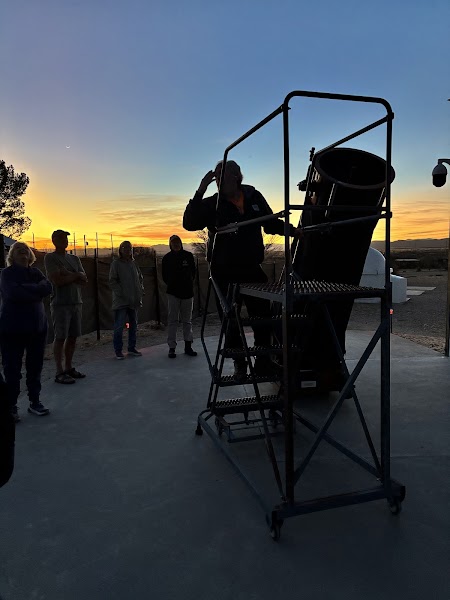
Marathon sits under some of the darkest, clearest skies in the continental United States, on the doorstep of the Big Bend region famous for its stargazing. As night falls over the village, the near-total absence of light pollution turns the sky into a dense field of stars, with the Milky Way arching plainly overhead on moonless nights. Spend the evening simply looking up — from the Gage's gardens, from the edge of town, or from a chair outside your lodging — perhaps with a nightcap from the White Buffalo Bar. After a day of ranch history and desert quiet, the sky here is the last and greatest attraction, and a fitting close before the final morning's drive.
🛏️
The Gage Hotel (overnight)
The obvious and most rewarding place to spend the night is the Gage Hotel itself, whose rooms range from cozy historic quarters in the original 1927 building to more spacious adobe casitas set around the Los Portales garden and pool. Staying here lets you enjoy the hotel's gardens, bar, and restaurant without a drive, and to walk out under the stars from your own door. If the Gage is full or beyond budget, the village has a small number of guesthouses and inns, and Alpine's fuller range of lodging is only about thirty-five minutes back west — but a night at the Gage is central to the spirit of this trip.
Day 3Fort Stockton, TX

Day 3Fort Stockton, TX

🚗 4 hr 25 min driving📍 5 stops
🌅
Morning
🚗
Drive
Marathon, TXFort Stockton, TX
55 min8:00 AM8:55 AM
Annie Riggs Memorial Museum
4.8
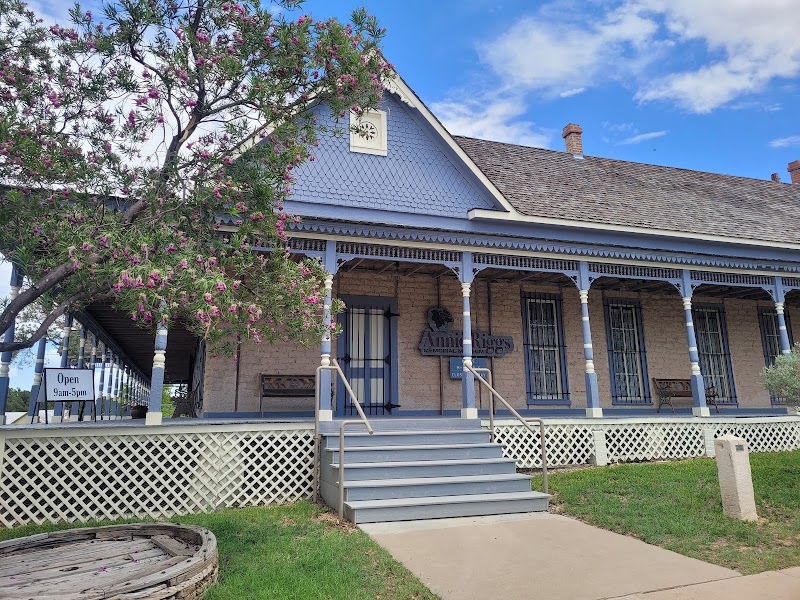
In downtown Fort Stockton, the Annie Riggs Memorial Museum occupies a graceful 1899 Territorial-style adobe hotel that once boarded travelers, cattlemen, and railroad crews crossing the Trans-Pecos. It was long run by Annie Riggs, a formidable frontier businesswoman whose colorful, sometimes violent family history is woven into local lore, and the building itself — with its wide verandas and thick adobe walls — is a fine example of the region's turn-of-the-century architecture. Today its rooms are filled with period furnishings, ranching and railroad artifacts, geological and fossil displays, and exhibits on the Comanche and the frontier army, making it the town's principal window onto Pecos County history. It is a rich, atmospheric stop and the right place to begin the final day.
Historic Fort Stockton
4.1
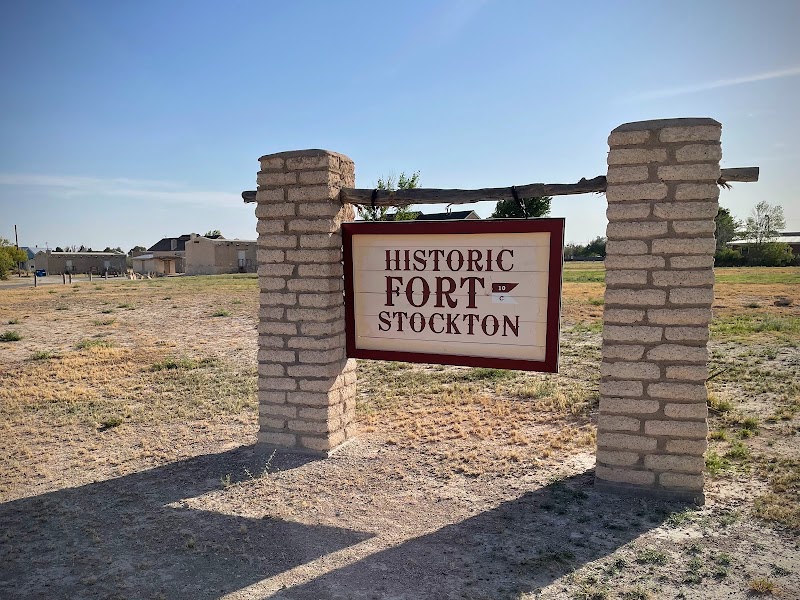
The town takes its name from the frontier army post established in 1858 and rebuilt after the Civil War beside the great oasis of Comanche Springs, to guard the San Antonio–El Paso road and the Comanche War Trail that crossed here. Several original and reconstructed fort buildings survive at the historic site, including officers' quarters, barracks, and a guardhouse, interpreted with exhibits on the frontier cavalry — among them the Buffalo Soldiers of the Ninth Cavalry who garrisoned it. Walking the parade ground and quarters gives a vivid sense of the isolated, disciplined life of the frontier army in one of the remotest postings in Texas. The site pairs naturally with the Annie Riggs Museum for a full morning of Pecos County history.
🍽️
Lunch
Comanche Springs & Paisano Pete
4.5
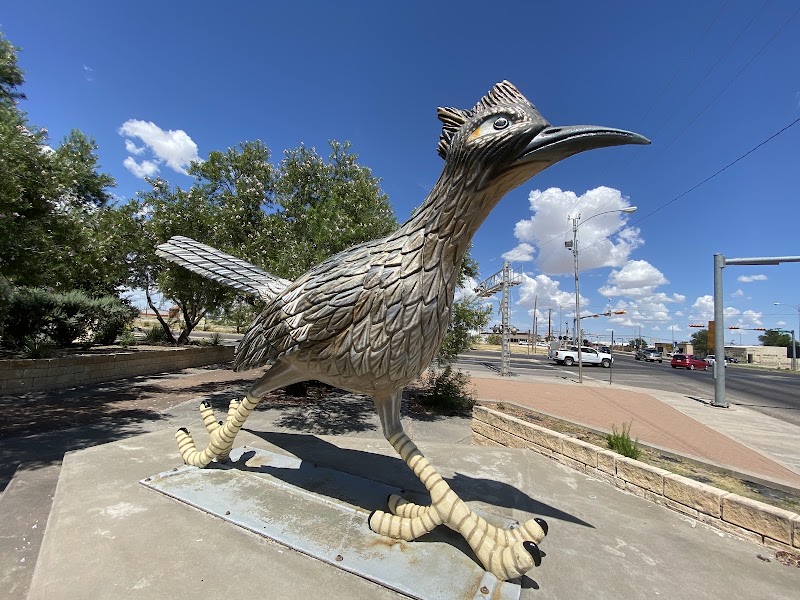
Comanche Springs was once among the largest springs in Texas, a life-giving oasis that made Fort Stockton possible — the reason the Comanche War Trail, the frontier road, and the army post all converged here. Though heavy groundwater pumping for irrigation caused the springs to run dry in the mid-twentieth century, the historic Comanche Springs site preserves the story of the water that shaped the region, and a large public swimming pool built over the springs still opens in summer. A block away stands the town's most beloved roadside landmark, Paisano Pete — a giant roadrunner statue that was, for years, billed as the world's largest, and a favorite photo stop. Together they make a fitting, slightly whimsical close to a journey that has followed water and history across the desert.
🍽️ Lunch11:55 AM
Comida Casera Sarah's Cafe
Before the long drive home, take lunch at Comida Casera Sarah's Cafe, a longtime Fort Stockton favorite serving hearty homestyle Tex-Mex and Mexican cooking in a friendly, unpretentious room. The menu runs to enchiladas, chiles rellenos, fajitas, and generous combination plates, with house-made sauces and warm tortillas that draw locals and travelers alike. It is the classic filling meal to send you off across the Trans-Pecos, and good value for a town on the interstate. Fort Stockton also has the usual highway chains if you prefer something quick before the road.
4.7$restaurant📍 Maps →
3 options · tap to switch
☀️
Afternoon
Historic Fort Stockton downtown & Grey Mule Saloon
4.8
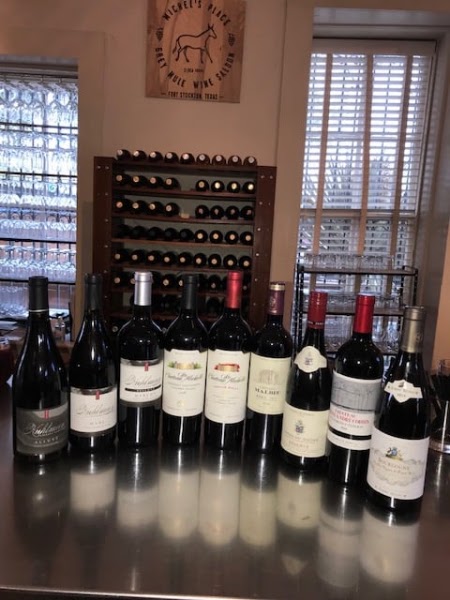
Before leaving, take a short walk through Fort Stockton's old downtown, where a self-guided historic trail links surviving nineteenth-century buildings that tell the town's frontier and territorial story. Among them is the Grey Mule Saloon, an 1880s stone building once owned by the notorious lawman-gambler A.J. Royal, a Pecos County sheriff whose corrupt, violent career ended in his 1894 assassination at his own desk — a tale that captures the lawlessness of the early oil-and-cattle frontier. Other markers point out the old jail, the Zero Stone survey marker, and adobe storefronts from the town's earliest days. It is a brief, rewarding coda that ties the whole region's frontier history together before you point the car back toward El Paso.
🌙
Evening
🚗
Drive
Fort Stockton, TXEl Paso, TX
3 hr 30 min5:00 PM8:30 PM
Plan your own escapeExplore more trips →