← The Weekend Getaways
🏛️ CulturalLong weekend · from El Paso, TX

The Gila Country — Silver City, the Cliff Dwellings & the Mining Frontier

Three and a half hours northwest of El Paso, southwestern New Mexico's Gila country climbs from Chihuahuan Desert into cool ponderosa highlands, cradling a landscape layered with a thousand years of human history. Silver City grew rich from silver and copper in the 1870s, weathered floods that carved a river through its own main street, and reinvented itself as a bohemian arts town while keeping its Victorian downtown intact — and it sits at the edge of the vast Gila Wilderness, the first designated wilderness area in the world. This three-day journey braids the region's deep past and its frontier boom: the Mimbres pottery of the WNMU Museum, whose black-on-white designs are among the most striking of ancient North America; the Gila Cliff Dwellings, where the Mogollon people built stone rooms into canyon caves seven centuries ago; the old gold camp of Pinos Altos; and the immense open-pit copper mines and Buffalo Soldier fort that made this the industrial engine of the territory. Overnights in Silver City, base camp for the whole Gila.

Day 1 — Historic Silver City & the WNMU Museum's Mimbres potteryDay 2 — Gila Cliff Dwellings National Monument & Pinos AltosDay 3 — Santa Rita/Chino mine overlook & Fort Bayard
Day 1Silver City, NM

Day 1Silver City, NM

🚗 3 hr 20 min driving📍 5 stops
🌅
Morning
🚗
Drive
El Paso, TXSilver City, NM
3 hr 20 min8:00 AM11:20 AM
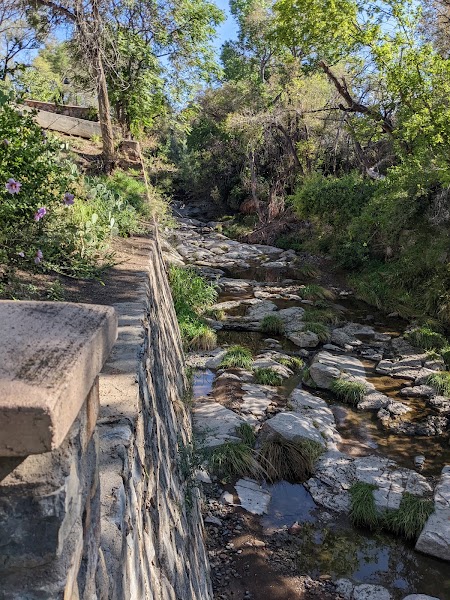
Historic Downtown Silver City & the Big Ditch
4.4
Silver City was founded in 1870 amid a silver rush and quickly became one of the richest towns in the New Mexico Territory, its downtown lined with brick Victorian and territorial commercial buildings that largely survive today. The town's most extraordinary feature is the Big Ditch: after catastrophic floods in the 1890s tore away the original Main Street, the roadbed collapsed as much as fifty feet into a gully, and rather than rebuild, the town simply relaid its main street one block over and left the chasm to become a green riverside park running through the heart of downtown. Walk the historic commercial district — the Buffalo Bar, the old Palace Hotel, and blocks of galleries, murals, and cafes reflecting the town's later reinvention as an arts colony — and stroll the Big Ditch itself, a piece of urban geology unlike anywhere else. It is the perfect orientation to a town shaped by both boom and flood.
🍽️
Lunch
🍽️ Lunch12:20 PM
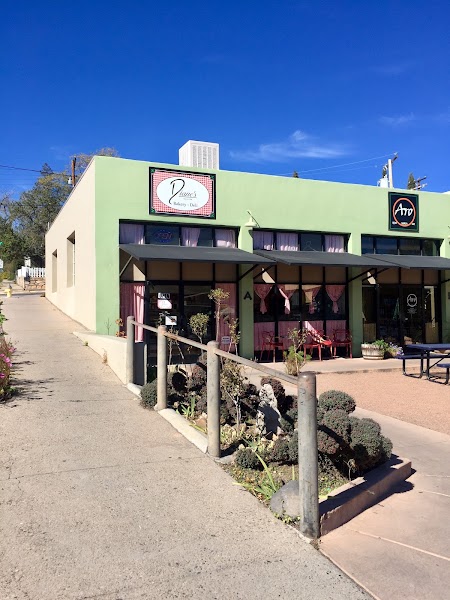
Diane's Restaurant
Diane's Restaurant
A downtown Silver City fixture for years, Diane's serves an ambitious, from-scratch menu that has anchored the town's dining scene through its arts-town revival. Lunch runs from creative salads, sandwiches, and soups to more substantial plates, and the adjoining bakery turns out breads and pastries worth a detour on their own. The room is comfortable and unfussy, popular with locals, gallery owners, and travelers stocking up before heading into the Gila. It is a reliable, characterful midday stop that reflects the town's blend of frontier grit and creative polish.
4.6$$bakery📍 Maps →
3 options · tap to switch
☀️
Afternoon
Western New Mexico University Museum
4.7
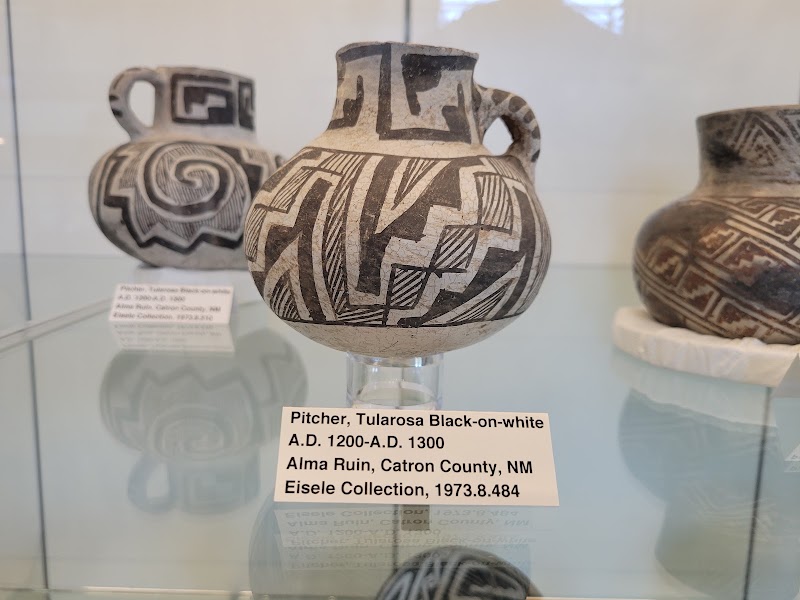
The Western New Mexico University Museum, housed in the historic 1917 Fleming Hall on the WNMU campus, holds the largest permanent collection of Mimbres pottery in the world — the reason it is a destination in its own right. The Mimbres people, a branch of the ancient Mogollon culture who farmed the river valleys of this region roughly a thousand years ago, produced astonishing black-on-white ceramic bowls painted with geometric designs and lively, stylized figures of animals, insects, and people, often ritually 'killed' with a punched hole and buried with their dead. The museum's cases hold hundreds of these vessels, alongside Casas Grandes and other Southwestern ceramics, prehistoric and historic artifacts, and mining-era exhibits. Seeing the pottery here, before visiting the cliff dwellings, gives essential context for the deep Native history of the Gila. Admission is typically free, and it is an unmissable stop.
🌙
Evening
Silver City arts district evening
As evening comes, Silver City's downtown reveals the creative community that has grown up among its old brick storefronts. The Yankie Street arts district and surrounding blocks hold a dense cluster of galleries, studios, and craft shops, and the town's murals, live-music venues, and brewpubs give the walkable center a relaxed, bohemian energy after dark. Wander the galleries that keep evening hours, catch music at one of the bars, and settle in for dinner among the historic facades. The mild high-country climate makes for pleasant evening strolling, and it is easy to see why so many artists and refugees from bigger cities have made this remote mountain town their home.
🛏️
The Murray Hotel
The Murray Hotel, a restored 1938 Art Deco landmark in the heart of downtown, is Silver City's signature historic lodging, its period lobby and rooms placing you within walking distance of the galleries, restaurants, and the Big Ditch. For a more intimate stay, the Palace Hotel — an 1882 building operating as a small European-style inn — and several downtown bed-and-breakfasts offer historic character, while the edges of town have the usual well-kept motels. Because you will base in Silver City for all three nights, choosing a central spot lets you walk out into the arts district each evening and reach the Gila roads easily each morning.
Day 2Gila Cliff Dwellings & Pinos Altos, NM
Day 2Gila Cliff Dwellings & Pinos Altos, NM
🚗 4 hr driving📍 5 stops
🌅
Morning
🚗
Drive
Silver City, NMGila Cliff Dwellings National Monument, NM
2 hr8:00 AM10:00 AM
Gila Cliff Dwellings National Monument
4.9
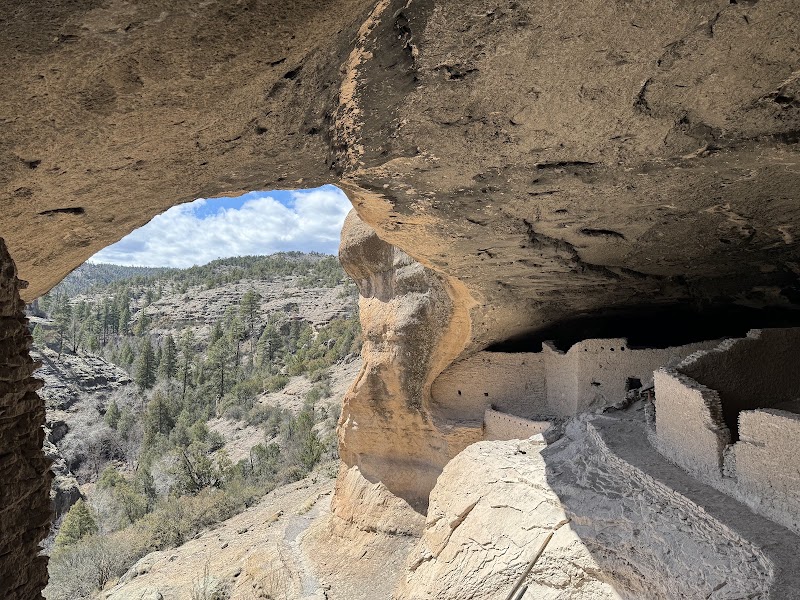
Reached by a slow, spectacular mountain road that winds nearly two hours north from Silver City through the Gila National Forest, the Gila Cliff Dwellings are among the best-preserved and most evocative ancient sites in the Southwest. In the late 1200s, people of the Mogollon culture built some forty stone-and-mortar rooms inside a series of natural caves high in the wall of a side canyon above the Gila River's West Fork, farming the valley below before mysteriously abandoning the site within a generation or two. A roughly one-mile loop trail climbs to the dwellings and lets visitors walk right into the cavate rooms, standing where families lived seven hundred years ago beneath the smoke-darkened cave ceilings. The remoteness is part of the experience — plan for the long drive each way, allow a couple of hours for the trail, and check road and monument conditions before setting out. Nearby hot springs and the visitor center's exhibits round out the day.
🍽️
Lunch
Doc Campbell's Post & picnic near the monument
4.7
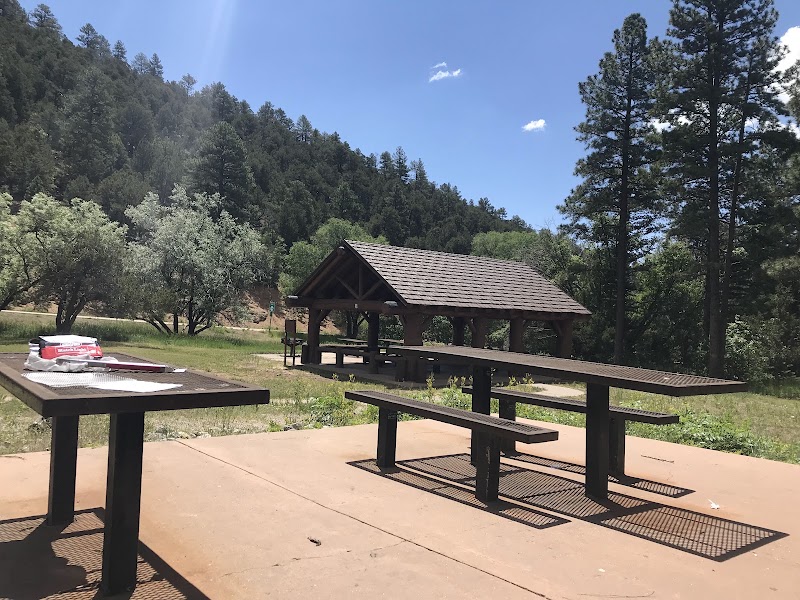
There are no restaurants deep in the Gila near the cliff dwellings, so midday here is a rustic affair — and part of the adventure. Doc Campbell's Post, a small family-run trading post and store near the monument, sells snacks, sandwiches, its locally beloved homemade ice cream, and basic supplies, and is the only commercial stop for many miles. The wise plan is to pack a picnic from Silver City in the morning and eat it at the monument's shaded picnic area or beside the West Fork of the Gila, with the canyon walls rising around you. Given the long, winding drive and the lack of services, bring plenty of water and more food than you think you will need; the isolation is exactly what makes this country extraordinary.
11:00 AM📍 See location
☀️
Afternoon
🚗
Drive
Gila Cliff Dwellings National Monument, NMPinos Altos, NM
1 hr 45 min12:00 PM1:45 PM
Pinos Altos Historic Gold Camp
3.8
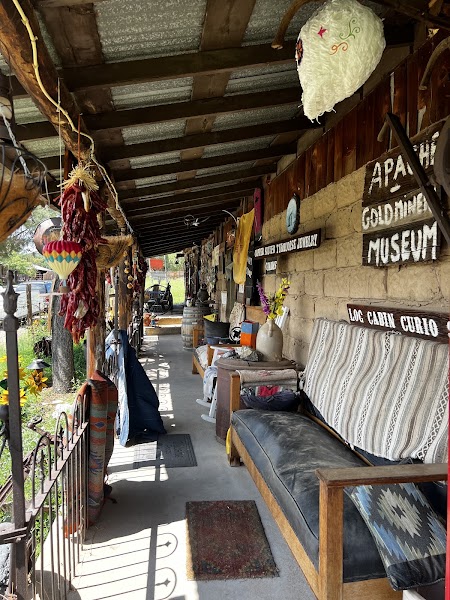
On the drive back down toward Silver City, the road passes through Pinos Altos, a tiny half-ghost town in the pines that was the site of the region's first big strike when gold was discovered here in 1860 — a year before Silver City existed. For a brief, wild period it was a booming, lawless camp, contested by Apache leaders Mangas Coloradas and Cochise, whose warriors fought a pitched battle with miners here in 1861. Today a cluster of preserved and reconstructed buildings survives along the old main street: the Buckhorn Saloon and Opera House, a log-cabin church, the Hearst Church (funded by the mining magnate's family) now serving as a small museum and art gallery, and the old Pinos Altos Museum in a former mercantile. It is a quiet, atmospheric stop that captures the raw beginning of the region's mining story before you descend the last few miles into town.
🌙
Evening
🍽️ Dinner5:00 PM
Buckhorn Saloon & Opera House
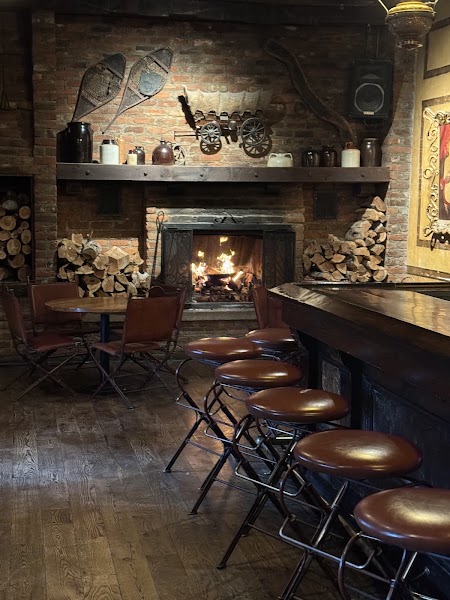
Cap the day with dinner at the Buckhorn Saloon & Opera House in Pinos Altos, one of the most atmospheric restaurants in the region, set in an 1860s adobe building with a rambling, antique-filled saloon of pressed tin, dark wood, and a long historic bar. The kitchen is known for hand-cut steaks, prime rib, and hearty Southwestern fare, and the adjacent restored opera house sometimes stages live music and theater, keeping the old camp's entertainment tradition alive. It is a memorable, candle-lit setting steeped in frontier history — reservations are strongly recommended, and it makes a fine finale before the short evening drive down to Silver City. If the Buckhorn is closed or full, Silver City's downtown restaurants are only fifteen minutes away.
4.5$$$bar📍 Maps →
2 options · tap to switch
🚗
Drive
Pinos Altos, NMSilver City, NM
15 min6:00 PM6:15 PM
🛏️
The Murray Hotel (overnight)
Return to your base in Silver City for a second night — the Murray Hotel or your chosen downtown inn — after the long day in the Gila. Staying in the same central lodging across all three nights means no packing and repacking, and puts you within a short walk of a nightcap in the arts district if you have the energy. Rest well: the final morning turns to the great copper mines and the frontier fort just east of town before the drive back to El Paso.
Day 3Santa Rita & Fort Bayard, NM

Day 3Santa Rita & Fort Bayard, NM

🚗 4 hr 15 min driving📍 3 stops
🌅
Morning
🚗
Drive
Silver City, NMSanta Rita / Chino Mine Overlook, NM
20 min8:00 AM8:20 AM
Santa Rita / Chino Mine Overlook
3.9
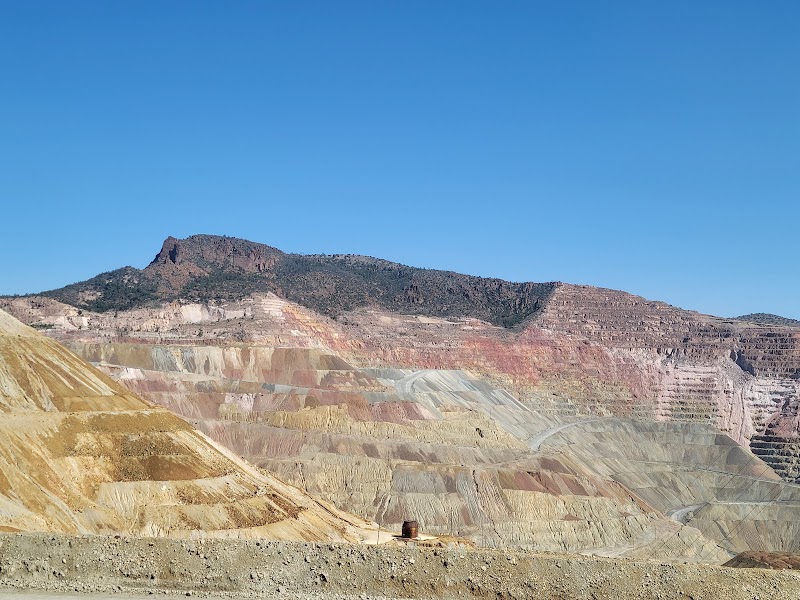
A short drive east of Silver City, a public overlook gazes down into the Chino Mine at Santa Rita, one of the oldest and largest open-pit copper mines in the world — a staggering man-made canyon nearly two miles across and hundreds of feet deep. Copper has been taken from this ground for well over two centuries, first by Spanish and Mexican miners working the surface deposits from the early 1800s, then on an industrial scale after 1910, when the entire original town of Santa Rita was gradually consumed by the ever-widening pit and eventually ceased to exist. The scale is difficult to grasp: interpretive signs at the overlook explain the geology, the terraced benches, and the enormous haul trucks that look like toys far below. It is an awe-inspiring and sobering counterpoint to the ancient cliff dwellings — the same landscape, remade utterly by the modern hunger for metal.
🍽️
Lunch
🍽️ Lunch9:20 AM
Jalisco Cafe
Jalisco Cafe
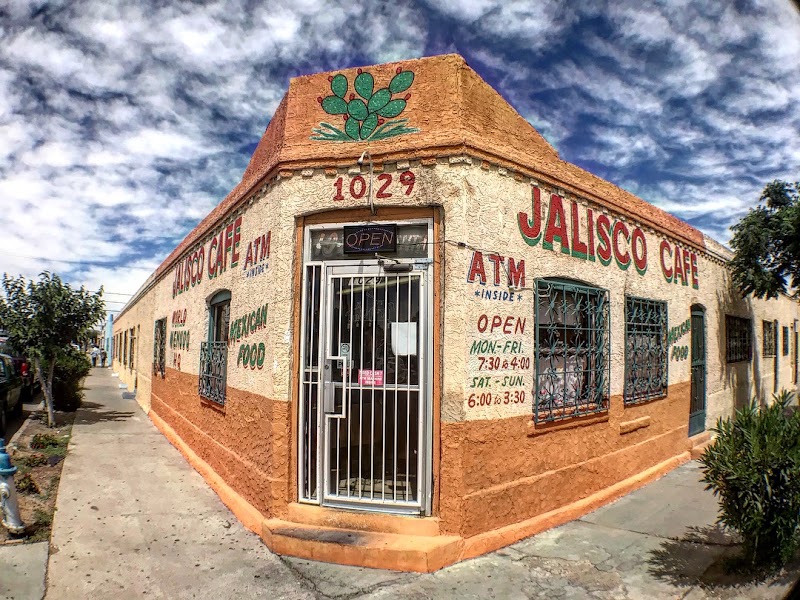
Back in Silver City for lunch, Jalisco Cafe is a longtime, family-run downtown favorite serving generous, well-loved New Mexican and Mexican dishes in a cheerful, casual room. Expect enchiladas smothered in red or green chile, chiles rellenos, tacos, and hearty combination plates, with the state's signature chile taken seriously. It is a beloved local institution and a satisfying, good-value meal to anchor the final midday before the drive home. Order the chile 'Christmas' to sample both the red and the green, as New Mexicans do.
4.4$$restaurant📍 Maps →
3 options · tap to switch
☀️
Afternoon
🚗
Drive
Silver City, NMFort Bayard Historic District, NM
20 min12:00 PM12:20 PM
Fort Bayard National Historic Landmark
4.4
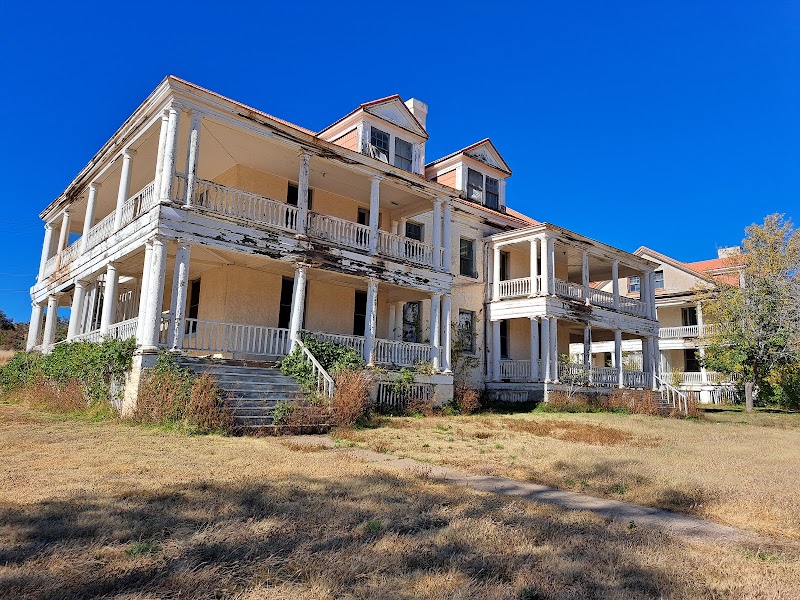
Just east of Silver City, Fort Bayard was established in 1866 to protect the miners and settlers of the Santa Rita copper district from Apache raids, and it became one of the most important postings for the Buffalo Soldiers — the African American cavalry and infantry regiments of the Ninth and Tenth Cavalry — who campaigned across this country during the Apache Wars, including against Geronimo. Later the post became a pioneering U.S. Army tuberculosis sanatorium, drawing patients to the high, dry air, and it served as a veterans' hospital well into the twentieth century. Today the Fort Bayard Historic District preserves the parade ground ringed by officers' quarters and hospital buildings, with a small museum (open on limited days) and a national cemetery nearby; the surrounding grasslands are also known for elk. Walking the quiet parade ground ties together the region's frontier military story before you turn the car back toward El Paso.
🌙
Evening
🚗
Drive
Fort Bayard Historic District, NMEl Paso, TX
3 hr 35 min5:00 PM8:35 PM
Plan your own escapeExplore more trips →