🏛️ CulturalWeekend · from New Orleans, LA
River Road Plantations & Baton Rouge's Living History
This two-day journey moves west along the River Road through the plantation corridor before arriving in Louisiana's capital city, where the state's political and folk history are preserved in two of the most compelling museums in the South. The juxtaposition is jarring and intentional: the sugar fortunes created along the River Road funded the political machinery that Huey Long would later wield from Baton Rouge's Gothic Revival capitol building.
Day 1 — River Road Plantations, LADay 2 — Baton Rouge, LA
Day 1 — River Road Plantations, LA
Day 1 — River Road Plantations, LA
🚗 2 hr 25 min driving📍 6 stops
🌅
Morning
🚗
Drive
New Orleans, LA → Whitney Plantation
55 min
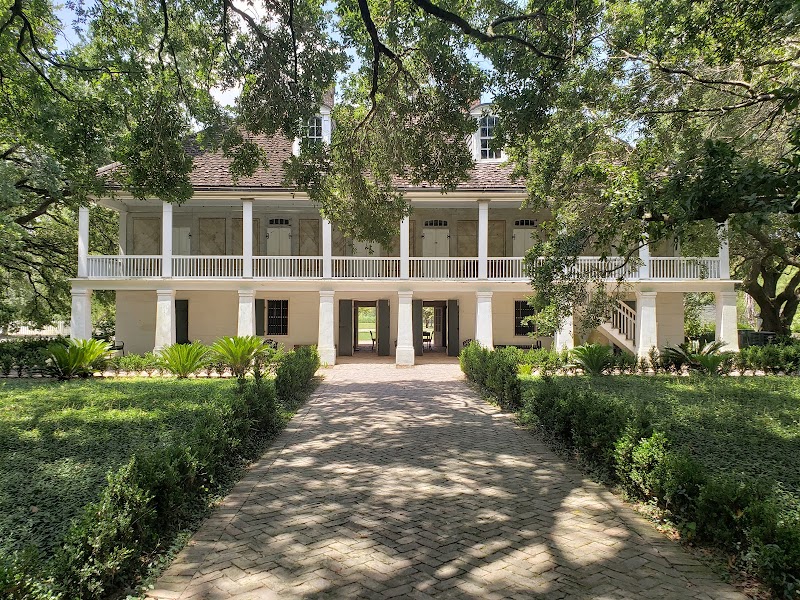
Whitney Plantation
★ Reviews →The only plantation museum in the United States built entirely around the experience of enslaved people rather than the planter family, Whitney was a sugar estate in Wallace, Louisiana, founded in the 1790s. Attorney John Cummings spent 16 years restoring the property and building a memorial infrastructure that includes the Wall of Honor — listing over 350 enslaved individuals from the 1860 slave census — and the Field of Angels, a memorial to the 2,200 enslaved children documented in St. John the Baptist Parish death records between 1823 and 1863. Clementine Hunter's murals in the African House and the reconstructed slave jail convey a specificity of suffering that makes the experience unlike any other plantation tour in Louisiana.
~1.5 hrs📍 See location
🍽️
Lunch
🚗
Drive
Whitney Plantation → Oak Alley Plantation
25 min
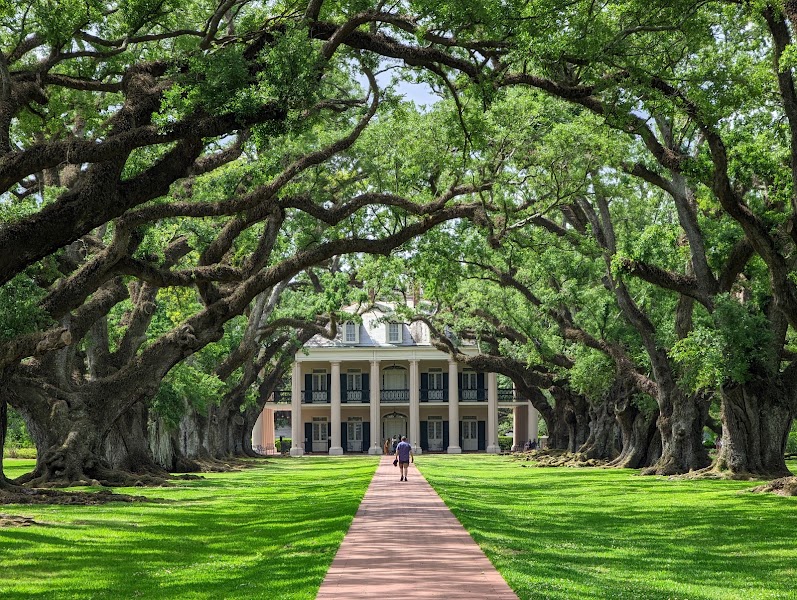
Oak Alley Plantation
★ Reviews →The 28 Southern live oaks at Oak Alley were planted around 1700 by an unnamed French colonist — more than a century before the Greek Revival mansion behind them was built in 1839 by sugar planter Jacques Telesphore Roman. The trees form a perfectly symmetrical quarter-mile alley leading from the Mississippi levee road to the house, their canopies arching overhead and their trunks draped in Spanish moss. The plantation's 28 Doric columns deliberately echo the 28 trees. Since 2015, reconstructed slave cabins and permanent exhibits have expanded the site's interpretation to include the enslaved workers who produced the estate's sugar fortune.
~45 min📍 See location
🍽️ Lunch~1 hr
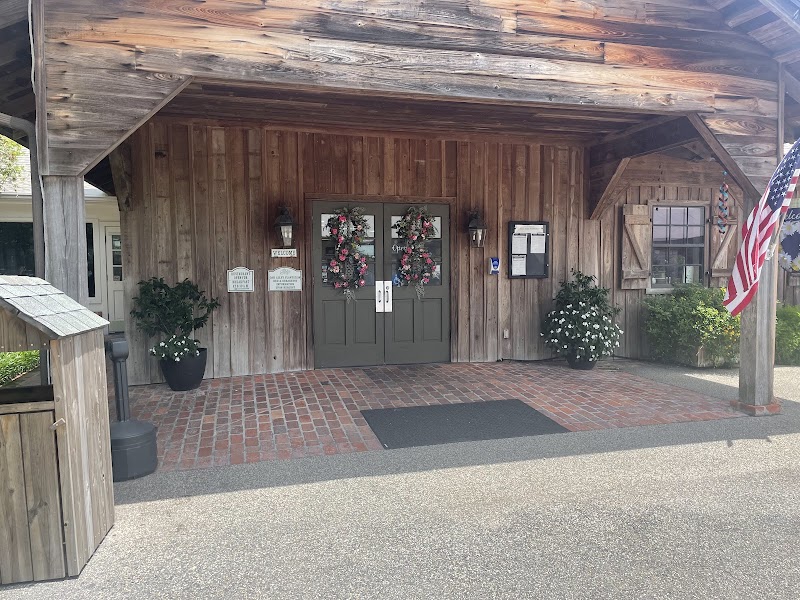
Oak Alley Plantation Restaurant
Lunch on the plantation porch overlooking the live oak alley — crawfish bisque, shrimp po-boys, and Creole bread pudding served with the oaks' canopy filtering the afternoon light. A convenient and atmospheric midday stop before the afternoon drive west to Baton Rouge.
3 options · tap to switch
☀️
Afternoon
🚗
Drive
Oak Alley Plantation → Laura Plantation
5 min
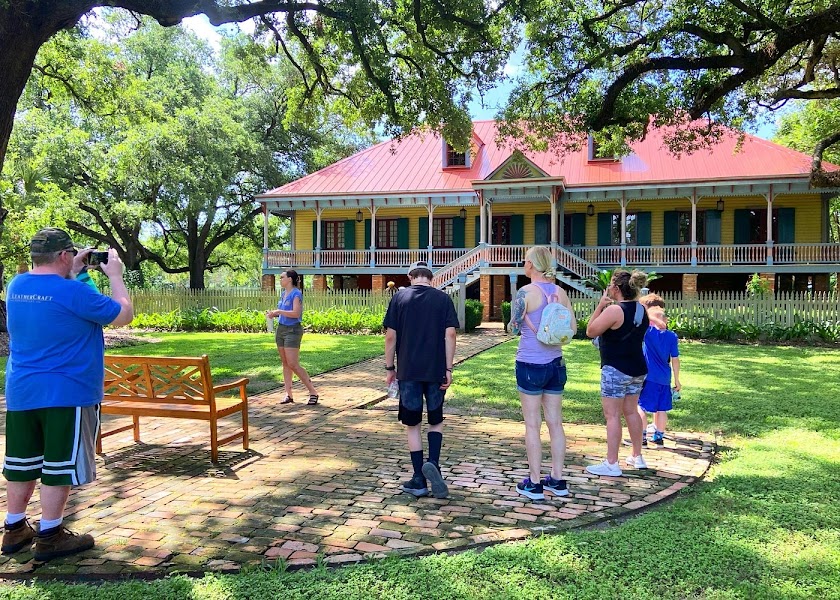
Laura Plantation
★ Reviews →Laura Plantation's interpretive program is grounded in a 5,000-page archive of family letters, diaries, and legal documents accumulated by the Duparc-Locoul family between 1805 and 1891 — culminating in the 1936 memoir of Laura Locoul Gore. The estate is Creole rather than American in character: a raised cottage main house with galerie porches, Creole dependency buildings, and a sugar house ruin that marks the economic engine that drove everything else. The tours at Laura are notably candid about the enslaved population's culture, including the theory that the Br'er Rabbit tales originated with Senegalese workers here. The main house was restored following a 2004 fire, and the 12 original outbuildings were preserved.
~45 min📍 See location
🌙
Evening
🚗
Drive
Laura Plantation → Baton Rouge, LA
1 hr
🍽️ Dinner~1 hr
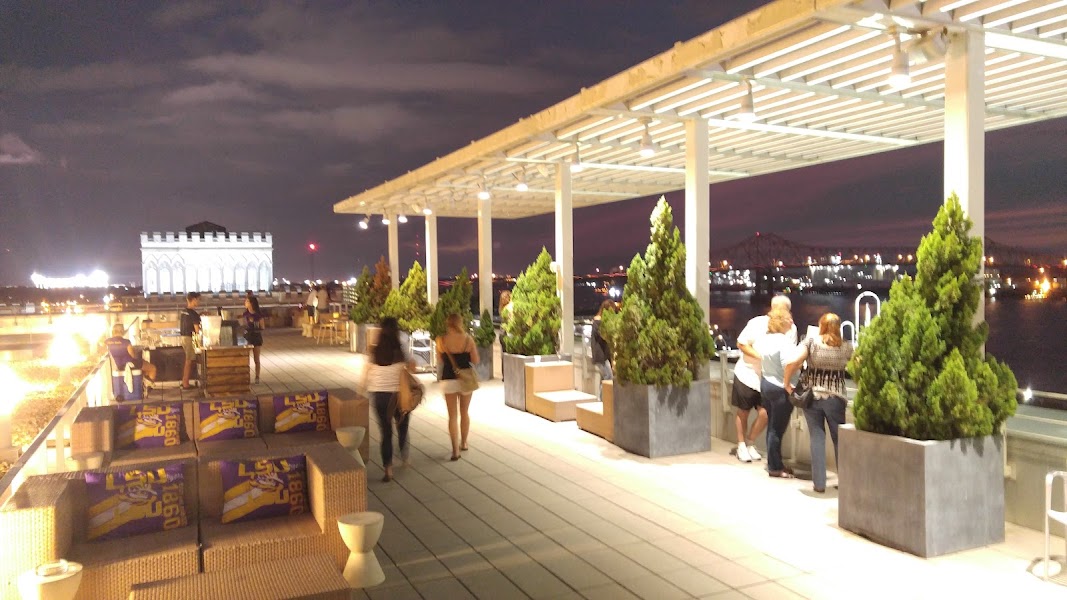
Tsunami Restaurant — Baton Rouge
Baton Rouge's most celebrated fine-dining restaurant, perched on the 10th floor of the Shaw Center for the Arts overlooking the Mississippi River. The menu blends Japanese techniques with Louisiana seafood and Southern ingredients — yellowfin tuna tataki with Creole mustard, Gulf redfish with miso glaze, and seasonal sashimi platters featuring Gulf oysters and Louisiana caviar. The river views at night make it one of the most dramatic dinner settings in the capital region.
3 options · tap to switch
🛏️
Hotel Indigo Baton Rouge Downtown
A boutique hotel in the downtown Baton Rouge riverfront district, walking distance from the Old State Capitol and the Mississippi River levee. The industrial-chic design references Baton Rouge's petroleum and manufacturing history; the location puts you within easy reach of both the morning's museum visits.
Day 2 — Baton Rouge, LA
Day 2 — Baton Rouge, LA
🚗 1 hr 45 min driving📍 5 stops
🌅
Morning
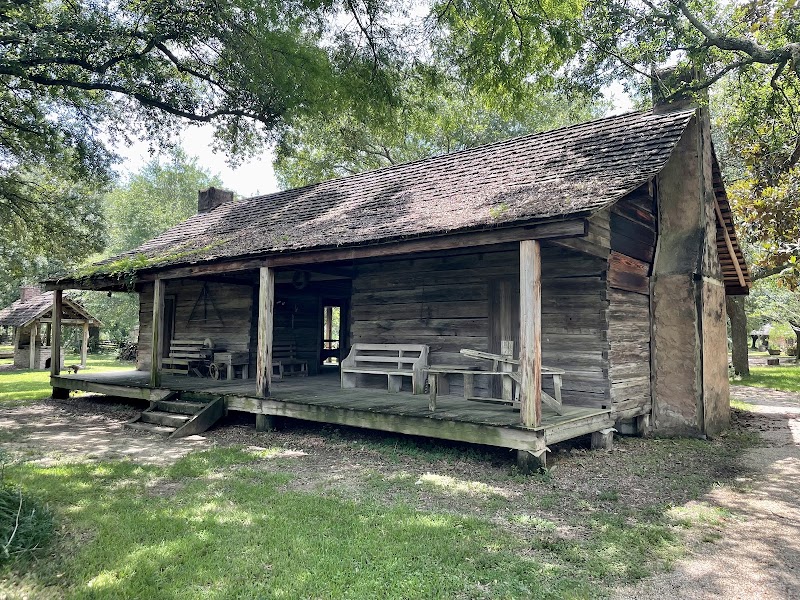
LSU Rural Life Museum
★ Reviews →The LSU Rural Life Museum is one of the largest open-air museums in the American South — 32 historic buildings spread across 25 acres of the Burden Research Plantation, representing Louisiana's pre-industrial rural life from the 17th through early 20th centuries. The collection includes a working plantation complex with a commissary, overseer's house, slave quarters, sugar house, and grist mill; a barn complex with the state's largest folk art collection; and a 'folk architecture' section with a dogtrot cabin, an Acadian house, a schoolhouse, and a country church. More than 30,000 artifacts of everyday rural life make this one of the most comprehensive folk-culture museums in the American South.
~1.5 hrs📍 See location
🍽️
Lunch
🚗
Drive
LSU Rural Life Museum → Old State Capitol
15 min
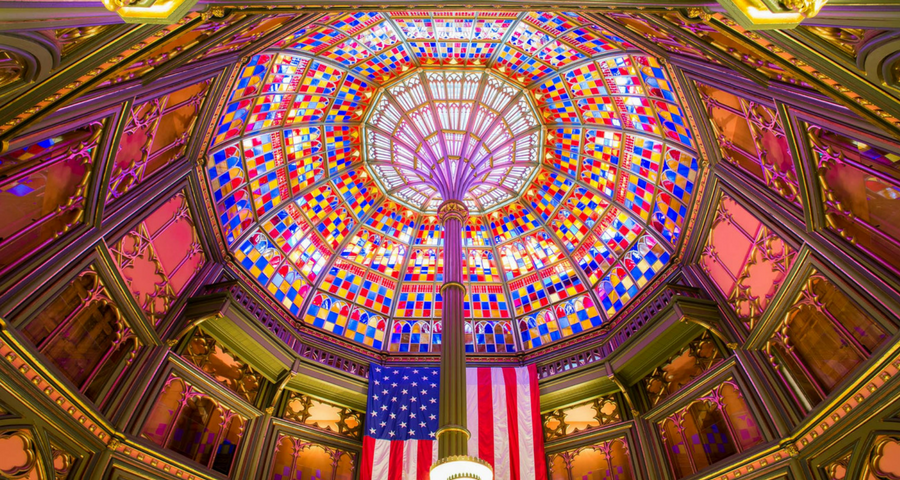
Louisiana Old State Capitol
★ Reviews →The Old State Capitol is a Gothic Revival castle built in 1852 on a bluff above the Mississippi River — Mark Twain called it 'a little sham castle' in 'Life on the Mississippi,' but its stained glass dome and cast-iron staircase are among the finest examples of mid-19th-century decorative architecture in Louisiana. The building witnessed some of the most turbulent moments in Louisiana political history, including the 1934 impeachment proceedings against Governor Huey Long and the debates that preceded Louisiana's secession from the Union in 1861. Today it houses the Center for Political and Governmental History, with immersive exhibits on Reconstruction, Huey Long's radical populism, and the civil rights movement in Louisiana.
~1.5 hrs📍 See location
🍽️ Lunch~1 hr
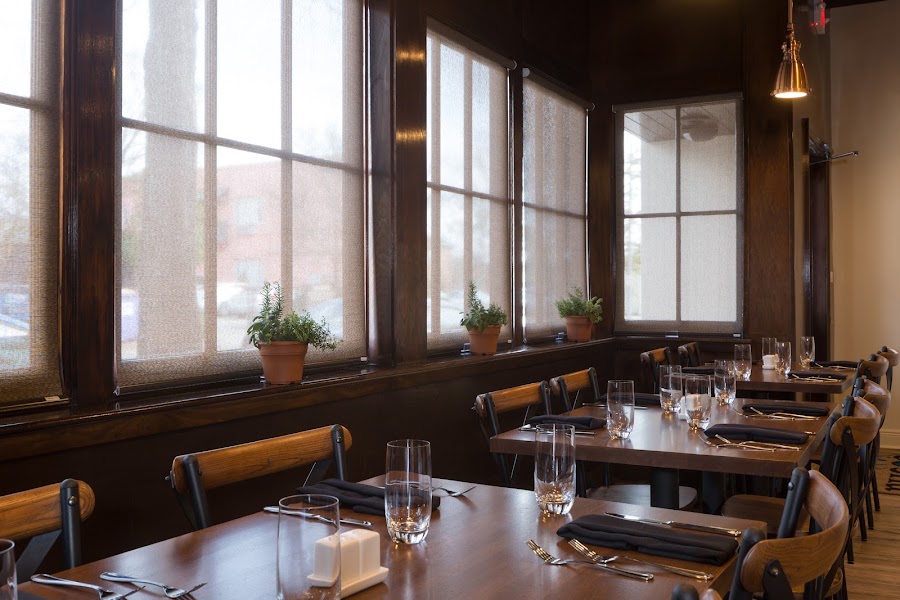
Cocha Restaurant — Baton Rouge
A lunch favorite in downtown Baton Rouge serving Southern-inflected Peruvian cuisine — ceviche with Gulf shrimp, lomo saltado, empanadas — in a relaxed setting a short walk from the Old State Capitol.
3 options · tap to switch
☀️
Afternoon
🚗
Drive
Old State Capitol → Magnolia Mound Plantation
10 min
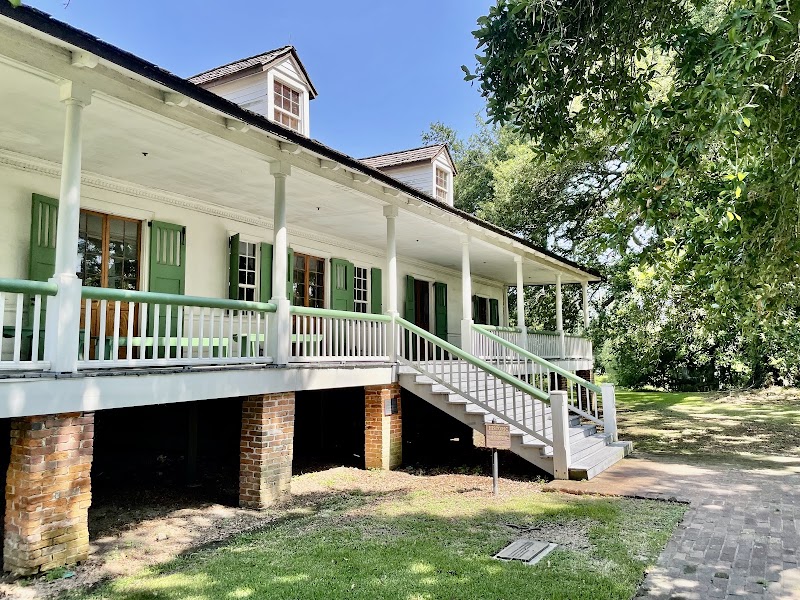
Magnolia Mound Plantation
★ Reviews →Magnolia Mound is the oldest domestic structure in Baton Rouge — a French Creole raised cottage built around 1791 on a low ridge above the Mississippi floodplain by a planter named John Joyce. The house predates the Louisiana Purchase by 12 years and is one of the finest surviving examples of French Creole vernacular architecture in the South: cypress construction, bousillage (mud and Spanish moss) infill walls, a double-pitched roof, and a broad galerie front porch designed to capture river breezes. The plantation operated until the Civil War; the house and its dependencies (kitchen, garçonnière, and overseer's cottage) were saved from demolition in 1966 by a citizen preservation campaign and donated to the City of Baton Rouge.
~45 min📍 See location
🌙
Evening
🍽️ Dinner~1 hr
Parrain's Seafood Restaurant
A Baton Rouge institution for fresh Louisiana seafood since 1985 — fried Gulf oysters, boiled crawfish in season, blackened redfish, and the legendary seafood pasta. Casual and loud, with an open kitchen and a raw bar that showcases the best of the Louisiana Gulf Coast harvest.
3 options · tap to switch
🚗
Drive
Baton Rouge, LA → New Orleans, LA
1 hr 20 min
← All New Orleans trips
More getaways from New Orleans
Barataria Preserve: Bayous, Boardwalks & Alligators — Day trip🥾Barataria Bayou to Grand Isle: Swamp Trails & Barrier Island — Weekend🥾Barataria Bayou, Grand Isle & Houma Airboat Adventure — Long weekend🥾River Road Plantations: Whitney, Oak Alley & Laura — Day trip🏛️Cajun Country Deep Dive: Lafayette, St. Martinville & New Iberia — Weekend🏛️The Complete Louisiana Circuit: River Road, Baton Rouge & Cajun Country — Long weekend🏛️North Shore Day: Covington, Abita Brewery & Mandeville Waterfront — Day trip🌿North Shore Escape: Covington, Mandeville & the Global Wildlife Center — Weekend🌿
© 2026 theweekendgetaways.com · All itineraries are original content. Terms
Plan your own escapeExplore more trips →