🏛️ CulturalDay trip · from Savannah, GA
Beaufort & the Gullah-Geechee Heartland
One hour north of Savannah across the South Carolina line, Beaufort preserves the most concentrated collection of antebellum architecture of any small city in the American South — a streetscape frozen in amber because Union forces occupied and protected it from 1861 onward. Beyond the grand houses and cobblestone lanes, the Sea Islands surrounding Beaufort are the living homeland of the Gullah-Geechee people, descendants of West African enslaved people who maintained a distinct Creole language, cuisine, and cultural tradition that survives to this day.
Day 1 — Beaufort, SC & St. Helena Island, SC
Day 1 — Beaufort, SC
Day 1 — Beaufort, SC
🚗 2 hr 15 min driving📍 5 stops
🌅
Morning
🚗
Drive
Savannah, GA → Beaufort, SC
1 hr
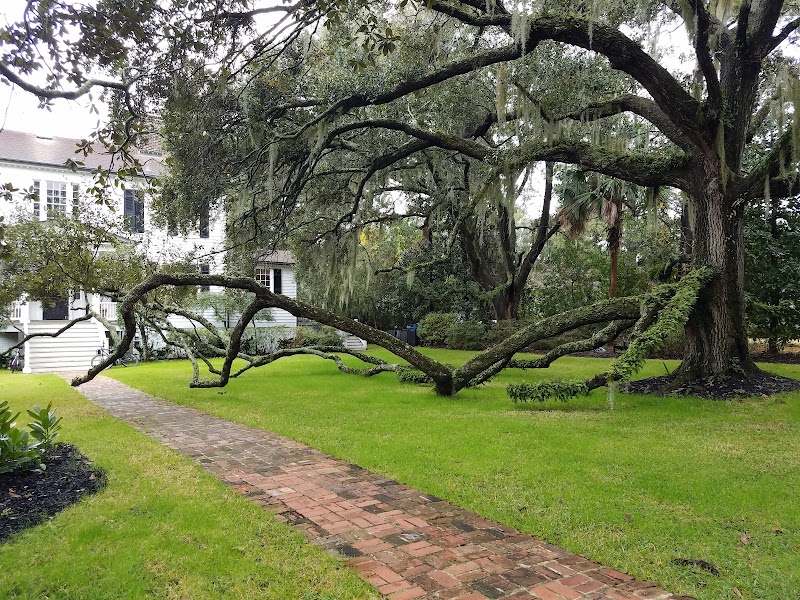
Beaufort Historic District
★ Reviews →When Union forces captured Beaufort in November 1861 — within days of the Battle of Port Royal — they found the planter class had fled in such haste that tables were still set for dinner. Rather than burning the city as happened across much of the South, Federal troops occupied the grand houses and used them as hospitals, schools, and headquarters. The result is one of the most extraordinary concentrations of antebellum architecture in America, with more than 300 pre-Civil War structures surviving intact. The Old Point neighborhood along the Beaufort River waterfront is the jewel of the district: Federal-style and Greek Revival mansions set among live oaks and magnolias, their broad piazzas overlooking the tidal river. The Henry C. Chambers Waterfront Park at the center of town occupies a former cotton wharf and offers views across Port Royal Sound to the marshes beyond.
~1 hr📍 See location
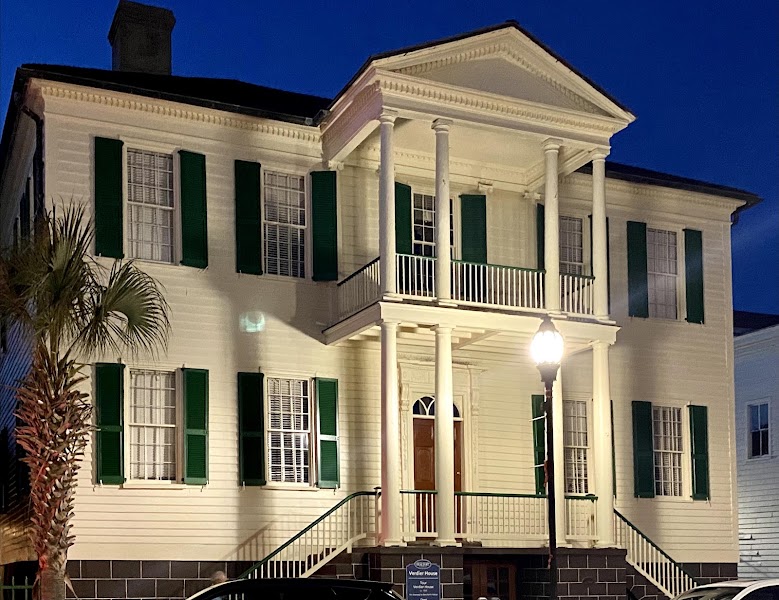
John Mark Verdier House Museum
★ Reviews →Built around 1804 for merchant John Mark Verdier, this Federal-style townhouse at 801 Bay Street is the finest surviving example of Beaufort's prosperous Federalist period, when Sea Island cotton made the town one of the wealthiest communities per capita in North America. The house served as headquarters for Union forces after 1861 and later as a community center during Reconstruction. Today it is a meticulously restored museum with period furnishings and interpretive exhibits on the cotton economy, slavery, and the Sea Island social world that produced Beaufort's extraordinary architecture. The guided tour, offered daily, contextualizes the grandeur of the house within the brutal plantation system that funded its construction.
~1.5 hrs📍 See location
🍽️
Lunch
🍽️ Lunch~45 min
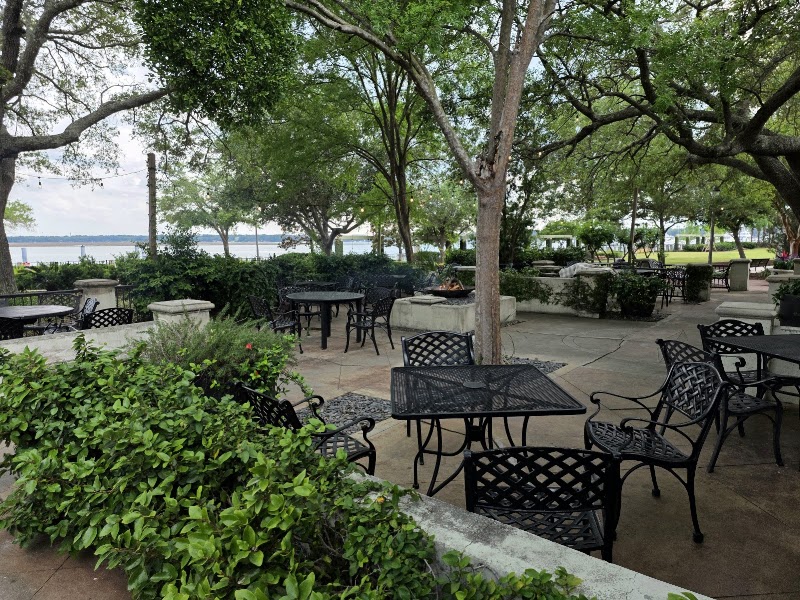
Saltus River Grill
On the waterfront at the edge of the historic district, Saltus River Grill occupies a renovated riverside building with sweeping views across the Beaufort River to the marshes of Lady's Island. The kitchen leans into Lowcountry ingredients with sophistication: local oysters on the half shell from St. Helena Sound, she-crab soup made with fresh blue crab roe, shrimp and grits using stone-ground Adluh mill grits, and seasonal fish from the nearby coastal waters. At midday the light off the tidal river floods the dining room and the outdoor deck, and the mood is relaxed and unhurried in the way that only small Southern river towns can manage.
3 options · tap to switch
☀️
Afternoon
🚗
Drive
Beaufort, SC → St. Helena Island, SC
15 min
Cross the bridge on US-21 east to St. Helena Island.
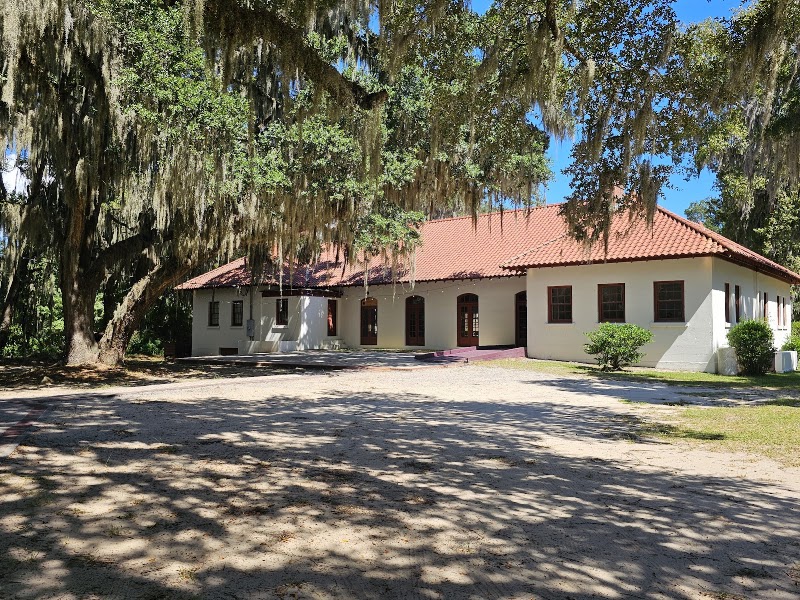
Penn Center National Historic Landmark
★ Reviews →Penn Center on St. Helena Island stands as one of the most significant sites in African American history, though it remains far less visited than its importance warrants. Founded in 1862 by Philadelphia abolitionists Laura Towne and Ellen Murray — just months after Union forces captured Port Royal — it was one of the first schools established in the South for formerly enslaved people, and it operated continuously through Reconstruction and into the 20th century as an educational and community institution. The surviving campus includes York W. Bailey Museum, which traces the school's history and the broader Gullah-Geechee culture of the Sea Islands; Darrah Hall (1885), the original schoolhouse; and the Brick Church cemetery where generations of St. Helena Island's Gullah community are buried. Dr. Martin Luther King Jr. held several strategic planning retreats here in the early 1960s, including meetings that shaped the March on Washington, drawn to the site's history and the privacy the isolated island community offered.
~1.5 hrs📍 See location
Gullah-Geechee Cultural Heritage Corridor
★ Reviews →The Gullah-Geechee people are the direct descendants of enslaved West and Central Africans — primarily from the Sierra Leone, Guinea Coast, and Angola regions — who were brought to the South Carolina and Georgia Sea Islands to cultivate rice and indigo. The geographic isolation of the Sea Islands, reachable only by boat until the 20th century, allowed these communities to preserve a remarkably intact Creole culture: the Gullah language (an English-based creole with deep African grammatical structures and vocabulary), a tradition of sweetgrass basket weaving descended from Senegambian techniques, distinctive foodways including red rice, okra soup, and hoppin' John, and a rich oral storytelling tradition featuring the trickster figure Buh Rabbit. St. Helena Island today remains one of the strongest remaining Gullah-Geechee communities on the Eastern Seaboard, and a drive along its roads past praise houses, family farms, and traditional homesteads offers a living encounter with a culture that has survived slavery, Reconstruction, and decades of development pressure.
~1 hr📍 See location
🌙
Evening
🚗
Drive
Beaufort, SC → Savannah, GA
1 hr
← All Savannah trips
More getaways from Savannah
Cumberland Island: Wild Horses, Wilderness Beach & Carnegie Ruins — Day trip🥾Cumberland Island Two-Day: Deep Wilderness & Plum Orchard — Weekend🥾Sea Islands Active Circuit: Cumberland, St. Simons & Sapelo — Long weekend🥾Jekyll Island: Millionaires, Turtles & Gilded Age Ghosts — Day trip🏛️Beaufort, Penn Center & the Hunting Island Lighthouse — Weekend🏛️Lowcountry Cultural Circuit: Beaufort, Penn Center & Edisto Island — Long weekend🏛️Tybee Island: Forts, Lighthouses & Low Country Boil at Sunset — Day trip🌿Tybee Island Weekend: Forts, Sunsets & Little Tybee by Kayak — Weekend🌿
© 2026 theweekendgetaways.com · All itineraries are original content. Terms
Plan your own escapeExplore more trips →