🌿 RelaxedWeekend · from Atlanta, GA
Antebellum Georgia: Madison & Flannery O'Connor's Milledgeville
Drifting east from Atlanta through the antebellum streetscapes of Madison — the town General Sherman refused to burn, its colonnaded mansions and four antebellum churches left improbably intact amid the devastation of the March to the Sea — this two-day circuit continues south to Milledgeville, Georgia's antebellum capital for over six decades, where the Old Governor's Mansion stands preserved in High Greek Revival splendor. The journey culminates at Andalusia Farm, the 544-acre dairy property four miles north of Milledgeville where Flannery O'Connor lived from 1951 until her death in 1964, raising her peacocks and writing her darkly brilliant fiction in a pine-paneled room that remains as she left it.
Day 1 — Madison, GADay 2 — Milledgeville, GA
Day 1 — Madison, GA
Day 1 — Madison, GA
🚗 1 hr 30 min driving📍 6 stops
🌅
Morning
🚗
Drive
Atlanta, GA → Madison, GA
1 hr 30 min
Heritage Hall Museum
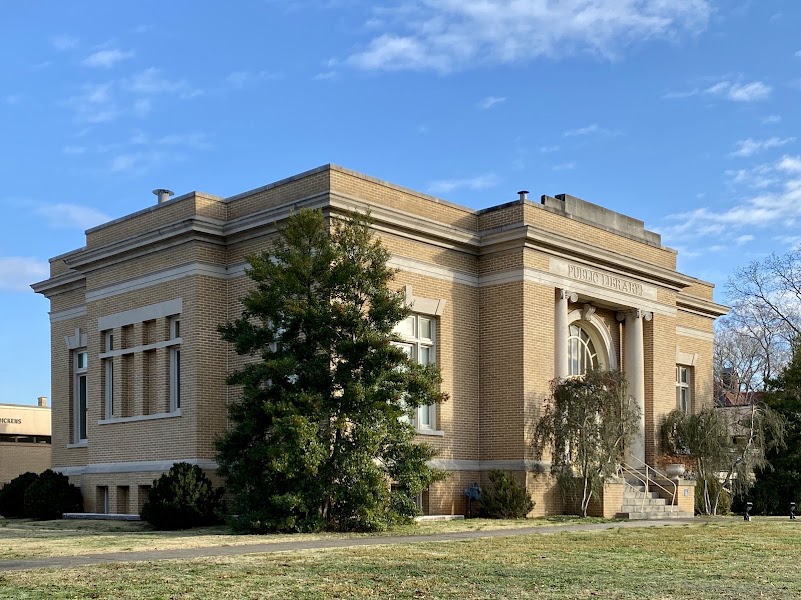
★ Reviews →Heritage Hall is an 1811 Greek Revival antebellum townhouse on Madison's Main Street and one of the finest surviving examples of Federal-period domestic architecture in interior Georgia. The house is furnished with period pieces representing the antebellum planter-class lifestyle — parlor furniture, silver service, portrait paintings, and the domestic appointments of a prosperous Morgan County household before the Civil War. The Morgan County Historical Society, which operates Heritage Hall alongside the adjacent museum, tells the full story of how Madison survived Sherman's March to the Sea: Senator Joshua Hill, a Georgia Unionist who had opposed secession and was elected to the U.S. Senate in 1861 but never seated, rode north to personally meet General Sherman's advance column in November 1864. Hill's Senate-era connections — he had served alongside Sherman's brother John Sherman in Washington — combined with Madison's demonstrated Unionist character persuaded Sherman to issue specific orders protecting the town. The contrast with Sherman's other Georgia targets is striking: he had burned Rome, Cassville, Marietta, and large portions of Atlanta en route, making Madison's survival all the more remarkable and its streetscapes all the more vivid.
~1.5 hrs📍 See location
🍽️
Lunch
Madison Chop House Grille
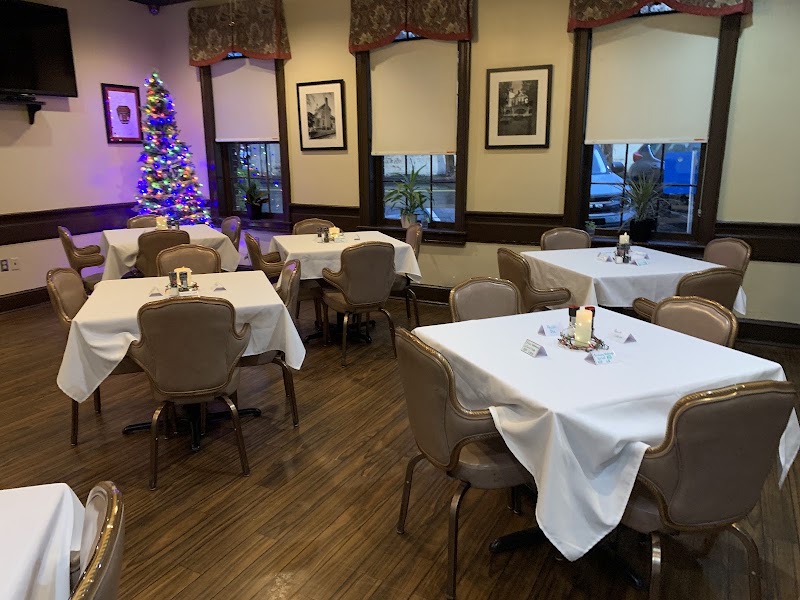
★ Reviews →Madison Chop House Grille is the most upscale dining option in Madison's downtown, occupying a converted historic building near the town square with a warm, clubby atmosphere suited to a leisurely midday meal on a heritage-focused itinerary. The menu centers on premium steaks and American classics, with a full bar and an outdoor terrace that is pleasant in mild weather. The Chop House also functions as one of Madison's few evening gathering spots, making it an easy choice for a later glass of wine if the evening calls for it.
~1 hr📍 See location
☀️
Afternoon
Madison-Morgan Cultural Center
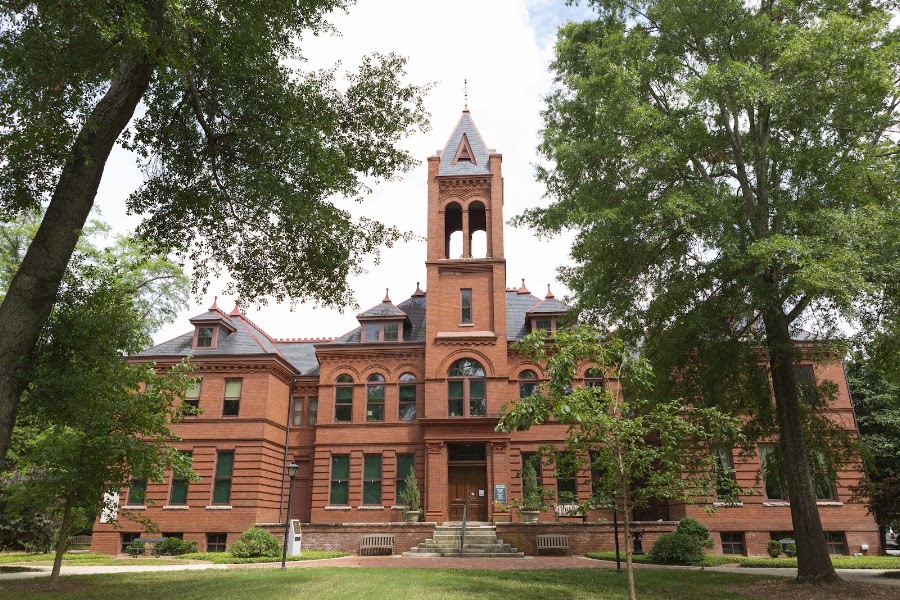
★ Reviews →Housed in a magnificent 1895 Romanesque Revival former school building of pressed red brick with a distinctive corner tower, the Madison-Morgan Cultural Center is one of the finest small-city cultural institutions in Georgia. The building's scale — designed to serve as the public school for an entire county — gives the interior an unexpected grandeur of high ceilings, broad hallways, and banks of tall windows. Rotating art exhibitions share space with a permanent Piedmont history exhibit tracing Morgan County's development from frontier settlement to antebellum prosperity to Reconstruction and beyond; a restored 1895 schoolroom complete with original desks, chalkboard, and teaching materials provides an intimate connection to the building's original purpose. The 350-seat performing arts theater is still used for concerts, lectures, and community events.
~1 hr📍 See location

Madison Antebellum Walking Tour — Academy Street, Antique Shops & Morgan County Courthouse
★ Reviews →The streets radiating from Madison's town square preserve one of the highest concentrations of antebellum architecture in any small town in the American South. Academy Street's nearly continuous row of Greek Revival and Italianate mansions, four antebellum churches representing the full range of 19th-century ecclesiastical styles, and the Morgan County Courthouse — a 1905 Neoclassical Revival building with a distinctive copper dome — collectively create the uncanny impression of a 19th-century Georgia county seat preserved intact. Interspersed among the historic homes are a dozen antique shops along Main Street carrying an unusually curated mix of quality period furniture, Southern folk art, Civil War memorabilia, vintage maps, and genuine regional estate contents from the Morgan, Putnam, and Greene County countryside — the quality of inventory consistently above what one expects from a town this size.
~1 hr📍 See location
🌙
Evening
Madison Evening Stroll & Dinner
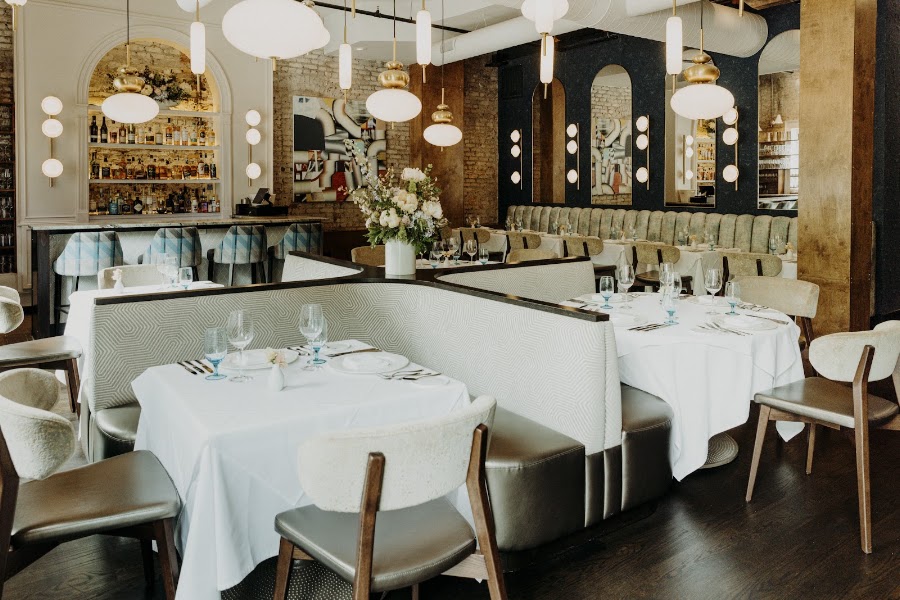
★ Reviews →Madison's small downtown is particularly pleasant in the evening, when the Victorian street lamps illuminate the storefronts and the day-trippers have largely departed. A slow stroll along Main Street and around the square — past the courthouse dome and the antebellum church facades going quiet in the evening light — is one of those simple pleasures that the town seems designed to provide. Dinner at the Madison Chop House Grille (if not already visited at lunch) or a glass of wine at the bar makes for a relaxed conclusion before settling into the night's accommodation.
~1 hr📍 See location
🛏️
The Farmhouse Inn Madison or 1840s Inn Madison
The Farmhouse Inn is an elegant property near downtown Madison with beautifully decorated rooms in a historic building, well-suited to the antebellum character of the town. The 1840s Inn is another well-regarded option in the area, with period furnishings and an intimate B&B atmosphere. Several antebellum B&Bs in the surrounding Morgan County countryside — accessible by a short drive — offer more rural settings with long-porch views of the Georgia Piedmont landscape for guests who prefer a quieter overnight.
Day 2 — Milledgeville, GA
Day 2 — Milledgeville, GA
🚗 2 hr 30 min driving📍 4 stops
🌅
Morning
🚗
Drive
Madison, GA → Milledgeville, GA
45 min
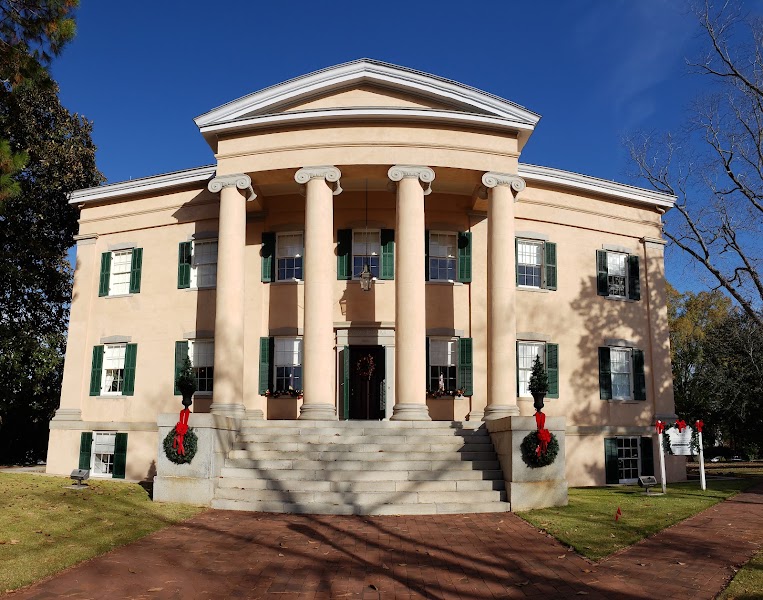
Old Governor's Mansion, Milledgeville
★ Reviews →Completed in 1839, the Old Governor's Mansion is a National Historic Landmark and one of the most distinguished examples of High Greek Revival architecture in the American South. It served as the executive residence of Georgia's governors for nearly thirty years while Milledgeville functioned as the state capital — Georgia's capital from 1804 until 1868, the longest stretch of any single capital in the state's history. The mansion's defining architectural features are its spectacular central rotunda lit from above by a stained glass oculus, massive Ionic portico with fluted columns, and elaborately furnished state rooms representing the antebellum Georgia political elite at the height of the cotton economy. In November 1864, Union troops under General Sherman's command occupied Milledgeville and staged a mock legislative session in the governor's office — theatrically 'repealing' the ordinance of secession — before continuing their march to Savannah. The mansion's meticulous restoration, completed in the 1990s under the stewardship of Georgia College and State University, returned all principal rooms to their 1850s appearance with period antiques and documented furnishings; the guided tour is thorough and interpretively sophisticated.
~1.5 hrs📍 See location
🍽️
Lunch
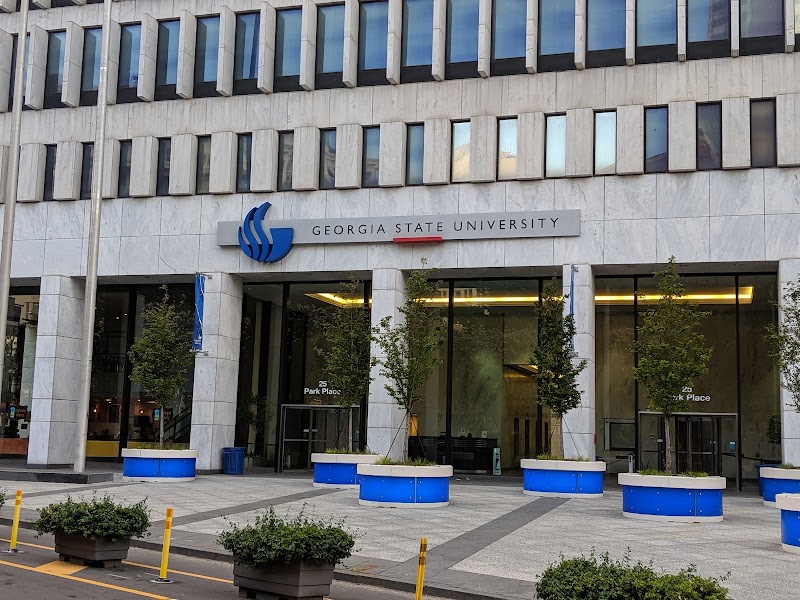
Georgia College Campus, Old State Capitol & Memory Hill Cemetery
★ Reviews →Georgia College and State University occupies the heart of Milledgeville on and around the site of the former state capitol complex. The Old Capitol Building — now Georgia Military College — is a remarkable 1807 Gothic-style structure that is among the earliest Gothic Revival public buildings in America, predating the movement's full flowering by decades; it served as Georgia's statehouse from 1807 until 1868 when the capital moved to Atlanta after the Civil War. Several other antebellum buildings survive on the campus grounds from the capital era. A short walk leads to Memory Hill Cemetery, established in 1804 as one of Georgia's oldest municipal cemeteries; it contains the graves of numerous antebellum Georgia political figures and — in a plot that draws literary pilgrims from around the world — Flannery O'Connor herself, buried simply under a plain marker near her family.
~1 hr📍 See location
🍽️ Lunch~1 hr
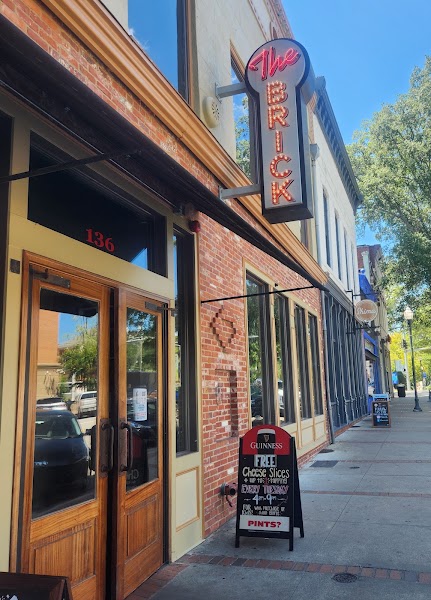
The Brick Milledgeville
The Brick on Wayne Street is a popular local lunch destination in downtown Milledgeville, offering a casual American menu in a comfortable setting convenient to the Old Governor's Mansion and the Georgia College campus. A reliable choice for a relaxed midday break between the morning's historic sites and the afternoon's literary pilgrimage to Andalusia Farm.
3 options · tap to switch
☀️
Afternoon
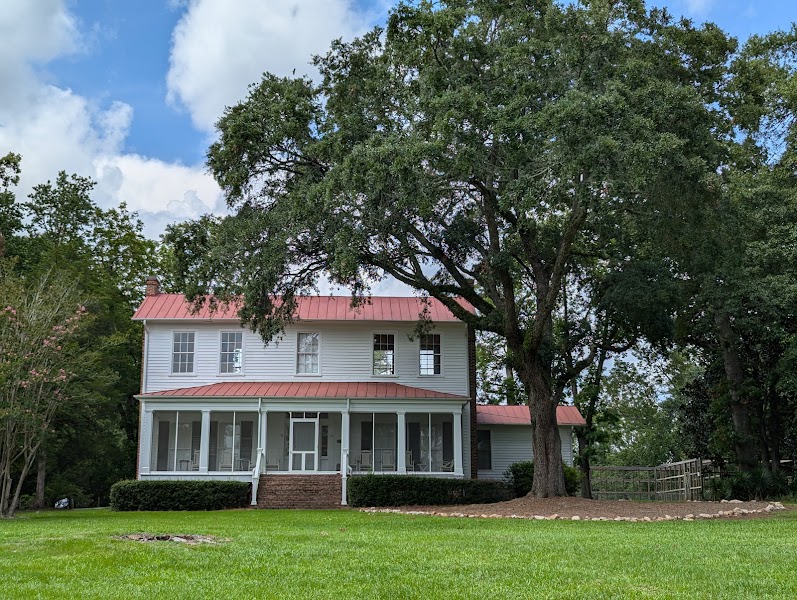
Andalusia Farm — Flannery O'Connor Home & Museum
★ Reviews →Andalusia is the 544-acre dairy farm four miles north of Milledgeville on US-441 where Flannery O'Connor lived from 1951 until her death in 1964 at age thirty-nine. O'Connor had been diagnosed with lupus disseminatus — the same autoimmune disease that had killed her father Edward O'Connor in 1941 — and returned from New York City to live with her mother Regina on the family's working dairy farm after her health collapsed in late 1950. Despite constant ill health that frequently confined her to aluminum crutches, O'Connor maintained an extraordinary creative output at Andalusia during the thirteen years she lived and wrote there: she produced her second novel The Violent Bear It Away (1960), the definitive revision of her first novel Wise Blood (1952), and most of her celebrated short fiction, including 'A Good Man Is Hard to Find,' 'Good Country People,' 'The Life You Save May Be Your Own,' 'Everything That Rises Must Converge,' and 'Parker's Back.' She famously raised a flock of Indian Blue peafowl at Andalusia — eventually more than forty birds — along with pheasants, swans, ducks, and the one-eyed chicken she described in letters with characteristic deadpan humor. The peacocks became inseparable from her public image and her correspondence, and she wrote about them with the same grotesque exactitude that animates her fiction. The farm's main house, the dairy barn, the water tower, and numerous outbuildings have been preserved and restored through decades of fundraising by the Andalusia Foundation; O'Connor's bedroom, her writing room with her typewriter and personal library, and the sunporch where she worked in her later years are among the most moving literary pilgrimage sites in the American South. The farm opened as a museum in 2017.
~1.5 hrs📍 See location
🌙
Evening
🚗
Drive
Milledgeville, GA → Atlanta, GA
1 hr 45 min
← All Atlanta trips
More getaways from Atlanta
Amicalola Falls & the Start of the Appalachian Trail — Day trip🥾Appalachian Trail Terminus & Blue Ridge Mountain Railway — Weekend🥾Georgia's Appalachian Circuit: Falls, Blood Mountain & Helen — Long weekend🥾Athens: College Town, Classic Rock & Southern Art — Day trip🏛️Athens, Watkinsville & Antebellum Madison — Weekend🏛️Georgia's Literary & Antebellum Heartland — Long weekend🏛️Dahlonega: Gold Rush History & Mountain Wine Country — Day trip🌿North Georgia Wine Country: Dahlonega & Ellijay — Weekend🌿
© 2026 theweekendgetaways.com · All itineraries are original content. Terms
Plan your own escapeExplore more trips →