← The Weekend Getaways
🌿 RelaxedLong weekend · from Atlanta, GA

Callaway Gardens, FDR's Little White House & Columbus

Three unhurried days in western Georgia begin among the butterflies and blooms of Callaway Gardens — a 13,000-acre conservation estate created on reclaimed Piedmont farmland, home to the largest glass-enclosed butterfly conservatory in North America and the world's most extensive collection of wild azalea — before continuing to the humble Georgia Pine cottage at Warm Springs where Franklin Roosevelt swam, healed, and ultimately died on April 12, 1945, preserved in the exact condition of that afternoon. The circuit concludes in Columbus with the world's largest Army museum and a 15-mile urban riverfront along the Chattahoochee, where the history of American infantry soldiering from Valley Forge to Afghanistan meets one of the finest Victorian-era opera houses still in continuous operation in the South.

Day 1 — Callaway Gardens, Pine Mountain, GADay 2 — Warm Springs, GADay 3 — Columbus, GA
Day 1Callaway Gardens, Pine Mountain, GA
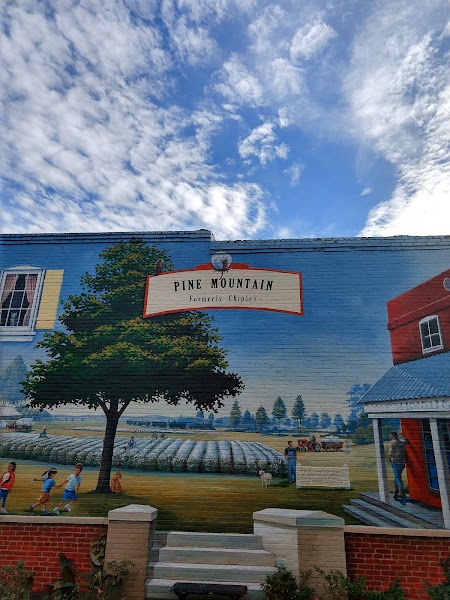
Day 1Callaway Gardens, Pine Mountain, GA

🚗 1 hr 30 min driving📍 6 stops
🌅
Morning
🚗
Drive
Atlanta, GACallaway Gardens, Pine Mountain, GA
1 hr 30 min8:00 AM9:30 AM
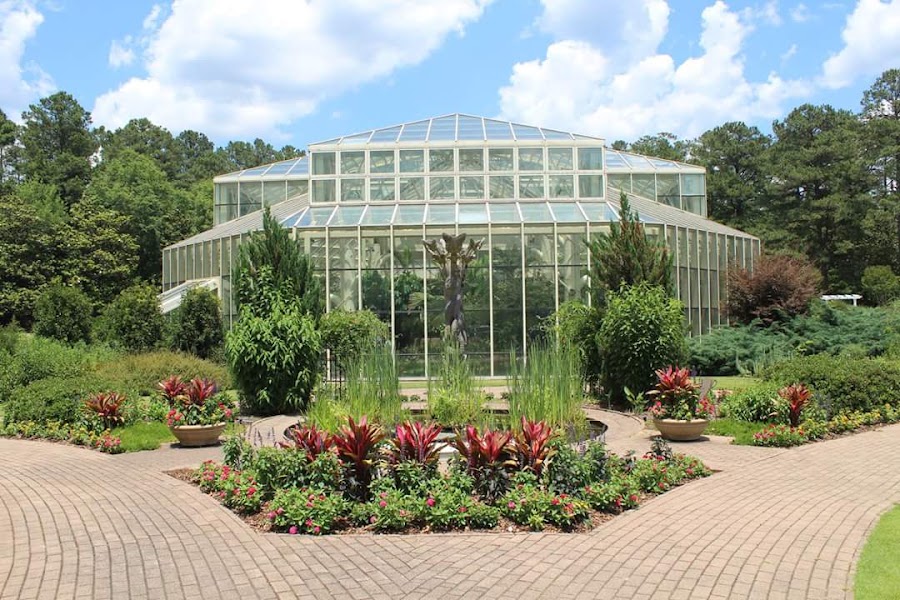
Cecil B. Day Butterfly Center at Callaway Gardens
4.8
Callaway Gardens is a 13,000-acre resort and botanical garden created by textile magnate Cason Callaway beginning in the 1940s on reclaimed farmland in the Pine Mountain Valley — a lifelong conservation project to restore the exhausted, eroded land his family had farmed under cotton. Callaway's vision was to demonstrate that land farmed to exhaustion could be restored to productivity and beauty; the result, opened to the public in 1952, became one of the premier resort and garden destinations in the American Southeast. The Cecil B. Day Butterfly Center, opened in 1988, is a glass conservatory housing approximately 1,000 live tropical butterflies representing over fifty species in a lush jungle environment maintained at 80 degrees Fahrenheit and 80% humidity year-round. At opening it was the largest glass-enclosed butterfly conservatory in North America, and it remains one of the most visited attractions in Georgia: butterflies land freely on visitors, feed from tropical flowers at eye level, and complete their life cycles from caterpillar to chrysalis to adult on display. The naturalistic tropical plantings — bird of paradise, lantana, ixora, and dozens of nectar plants selected to support maximum butterfly diversity — make the conservatory as beautiful as a botanical garden in its own right.
🍽️
Lunch
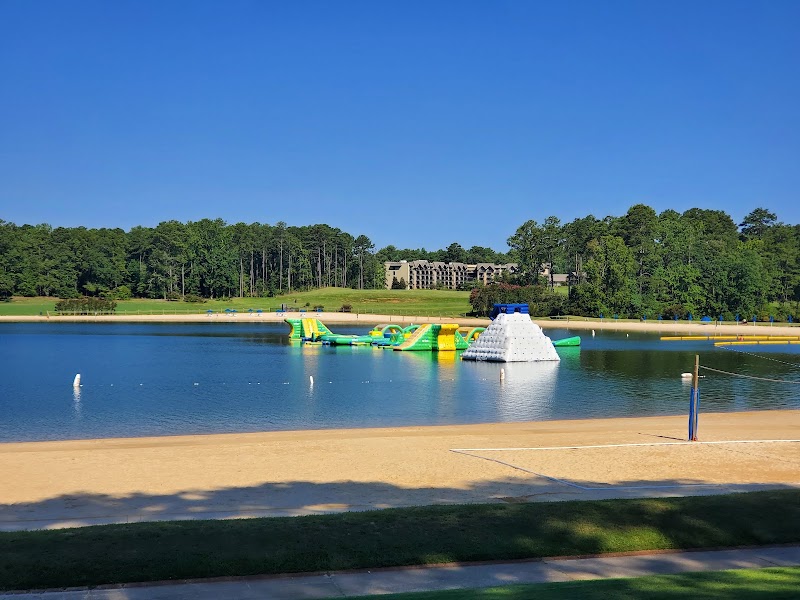
Robin Lake Beach & English Walled Garden
4.6
Robin Lake is one of the largest man-made inland freshwater beaches in the world — a 175-acre lake with a white-sand beach stretching along its southern shore, created by Cason Callaway to provide a swimming destination within the gardens. The English Walled Garden is a formal garden of clipped hedges, herbaceous borders, topiary elements, and seasonal plantings laid out in the 18th-century English tradition within enclosing brick walls; it is one of the finest formal gardens in the American Southeast, particularly striking in spring when the tulips and early perennials fill the geometric beds. The two destinations — one wild and playful, the other formally disciplined — represent the breadth of Callaway's original vision for what a great American garden destination could offer.
🍽️ Lunch11:30 AM
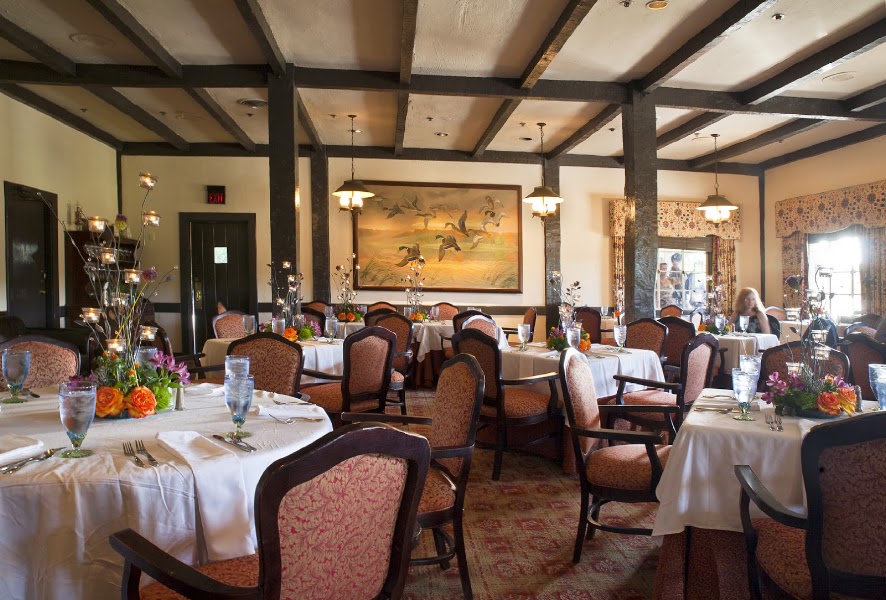
The Veranda at Callaway Gardens or Falls Creek Restaurant
Callaway Gardens' resort dining options provide a convenient and comfortable midday meal within the property without the need to drive elsewhere. The Veranda and Falls Creek Restaurant are the primary full-service dining options, offering American menus suited to a relaxed garden visit.
3.9$$restaurant📍 Maps →
3 options · tap to switch
☀️
Afternoon
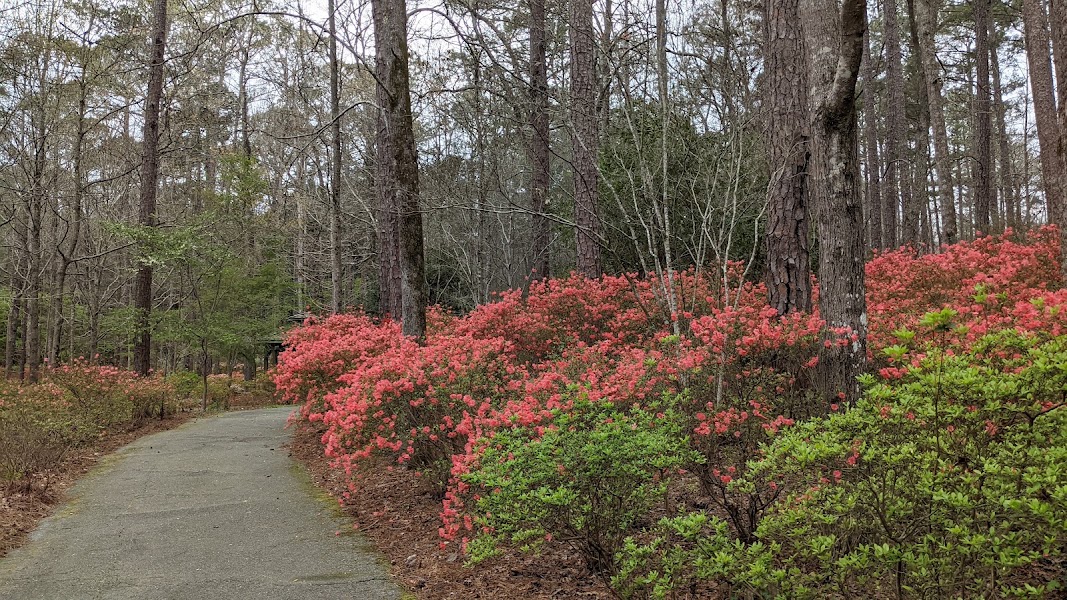
Callaway Gardens Azalea Trail & Wildflower Meadow
4.6
Callaway Gardens maintains over 700 varieties of native azalea — the largest collection of wild azalea in the world — planted along thirteen miles of paved and unpaved trails through the gardens' native landscape. The collection represents every native Rhododendron species found in the American Southeast, including many rare and regionally endemic species that are difficult or impossible to see elsewhere; the peak bloom season runs from late March through early April and draws visitors from across the South, but the azalea woodland is beautiful in any season, with rhododendron, mountain laurel, and kalmia extending the color into summer. The Wildflower Meadow trails pass through restored open meadow habitats managed for pollinators and native grasses, and Mr. Cason's Vegetable Garden — a working kitchen garden — is one of the most instructive horticulture exhibits in the Southeast.
Pine Mountain Village Exploration
4.7
The village of Pine Mountain, just outside the Callaway Gardens entrance, has the unhurried character of a mountain resort town that has been hosting visitors since the FDR era. A compact main street of antique shops, local restaurants, and independent boutiques makes for a pleasant late-afternoon stop; the village's proximity to both Callaway Gardens and the Little White House at Warm Springs gives it a particular historical resonance as one of the gateways to western Georgia's most distinctive corridor of natural and cultural sites.
🌙
Evening
🛏️
The Lodge at Callaway Gardens or Mountain View Inn Pine Mountain
The Lodge at Callaway Gardens is a full-service resort hotel on the property with easy access to all garden attractions, a full restaurant, spa facilities, and the kind of polished resort hospitality that makes it the most convenient and comfortable overnight choice for guests based at the gardens. Mountain View Inn is a smaller, more personal property in Pine Mountain village with a local character and simpler amenities at a lower price point; several vacation rental cottages are also available throughout the Pine Mountain and Warm Springs area for guests preferring self-catering accommodations with easy access to the following day's FDR sites.
Day 2Warm Springs, GA

Day 2Warm Springs, GA

🚗 15 min driving📍 6 stops
🌅
Morning
🚗
Drive
Pine Mountain, GAWarm Springs, GA
15 min8:00 AM8:15 AM
FDR's Little White House Historic Site
4.8
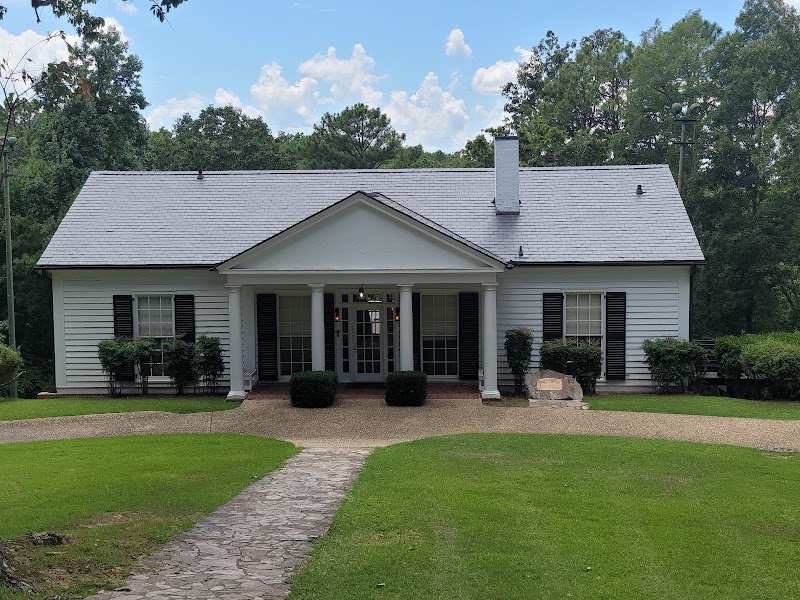
Franklin Roosevelt first came to Warm Springs in October 1924, drawn by reports that the 88-degree Fahrenheit mineral spring waters had helped a polio patient recover strength in his legs. Roosevelt had contracted poliomyelitis in August 1921 at age thirty-nine, and the disease had permanently paralyzed his legs; desperate for any therapy that might restore function, he swam daily in the warm spring and became convinced — probably correctly — that the warm, buoyant water eased muscle spasms and allowed him to exercise muscles he could not otherwise move. He returned year after year, purchasing the land and constructing the simple six-room Georgia pine cottage in 1932, the year before his first inauguration as president. He visited Warm Springs eighty-nine times between 1924 and 1945, and in the presidential years Warm Springs functioned as the informal second White House — a place where FDR could escape Washington, receive visitors informally, and work in a setting that he found genuinely restorative. On April 12, 1945, Roosevelt was seated in the cottage's pine-paneled living room while artist Elizabeth Shoumatoff worked on a watercolor portrait commissioned by his companion Lucy Mercer Rutherfurd — the woman with whom he had maintained a decades-long relationship kept secret from Eleanor — who had arranged the sitting and was present in the cottage. At 1:15 p.m. Roosevelt suffered a massive cerebral hemorrhage; he lost consciousness immediately and died at 3:35 p.m. The cottage has been preserved in its exact condition from that afternoon: the unfinished Shoumatoff watercolor on the easel, the card table, Roosevelt's leather armchair, a half-smoked cigarette, and his stamp collection spread across the table remain precisely as they were when the news went out to a stunned world.
🍽️
Lunch
FDR Presidential Car Collection & Museum Exhibits
4.8
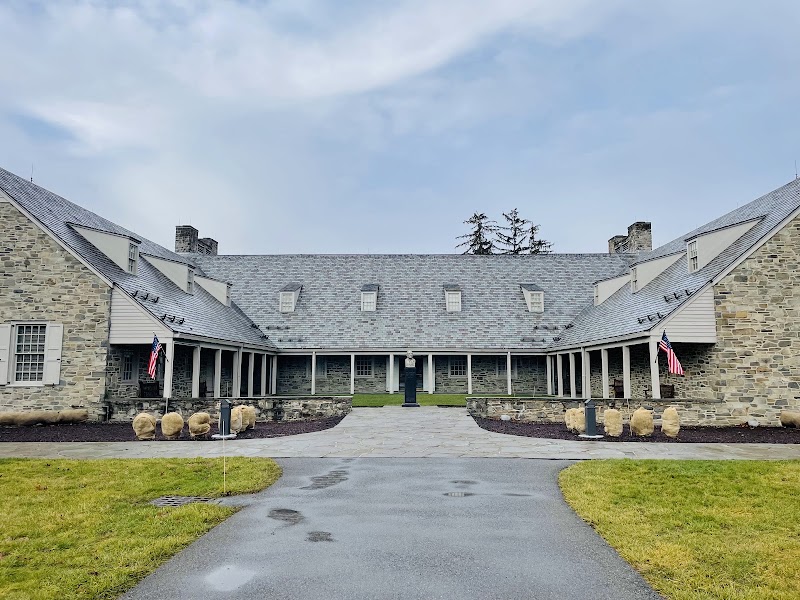
The Little White House museum complex includes exhibits on FDR's relationship with Warm Springs and Georgia, his polio disability and its management, and the Georgia Warm Springs Foundation for Infantile Paralysis that he established in 1927 with his law partner and friend Basil O'Connor — the organization that became the March of Dimes, which funded the development of the Salk vaccine that eliminated polio from the United States by 1961. The automobile exhibit features FDR's 1938 Ford Phaeton convertible fitted with hand controls for his paralyzed legs; Roosevelt drove himself through the Georgia countryside at speeds that reportedly alarmed his Secret Service detail, the hand-controlled car giving him a freedom of movement that his disability otherwise denied. His leg braces, wheelchair, and the Shoumatoff unfinished portrait are also on display, making the exhibit one of the most intimate and personally affecting presidential collections in any American historic site.
🍽️ Lunch10:15 AM
The Bulloch House Restaurant, Warm Springs
The Bulloch House is a classic Southern lunch destination in a Victorian house in Warm Springs, serving fried chicken, country vegetables, biscuits, and Southern comfort food in the kind of unhurried dining room atmosphere that suits the town's pace. A reliable and pleasant midday choice between the morning's museum visit and the afternoon's warm spring and village exploration.
4.4$$american restaurant📍 Maps →
3 options · tap to switch
☀️
Afternoon
Continue at Warm Springs Historic Village
4.8
Use the afternoon to explore a different side of FDR's Little White House Historic Site — there's more to discover beyond the morning highlights.
FDR Warm Spring Pool & Nature Walk
4.3
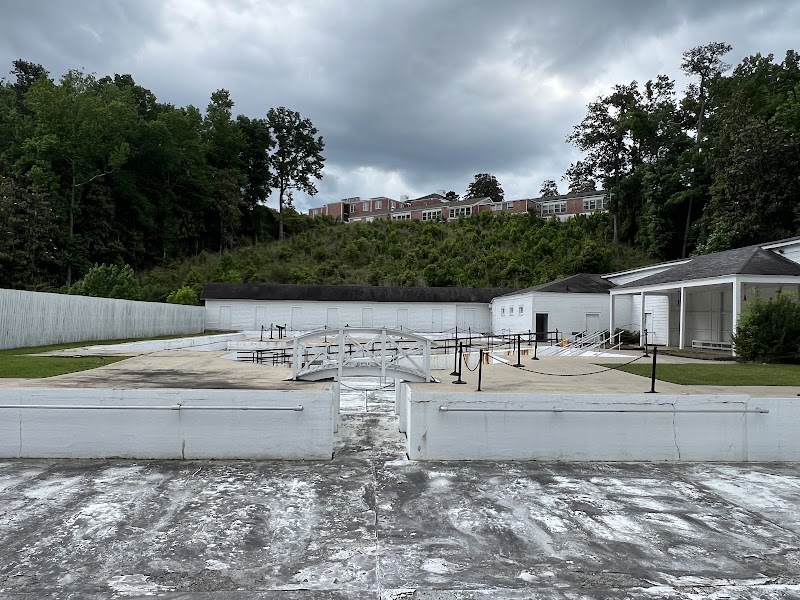
The warm spring that drew FDR to this corner of Georgia — emerging from a limestone aquifer at a constant 88 degrees Fahrenheit year-round — is viewable on the museum grounds, along with the historic pool area where Roosevelt swam hundreds of times over twenty-one years. The surrounding woodland property offers a short walking trail through pine and hardwood forest that provides a peaceful close to the day's historic immersion; the contrast between the spring's constant warm emergence and the surrounding Georgia Piedmont landscape adds a quietly remarkable quality to what is already an emotionally resonant site.
🌙
Evening
🛏️
The Hotel Warm Springs or Pine Mountain area inn
The Hotel Warm Springs is a restored 1927 historic hotel in downtown Warm Springs with period furnishings, a dining room, and the FDR-era character that makes a stay here feel like a genuine extension of the day's historical immersion; the hotel has been welcoming guests since the days when FDR himself would stop in during his Warm Springs visits. Several B&B options in the Warm Springs and Pine Mountain area — including properties in restored historic homes — provide alternative overnight accommodations with easy access to the following day's drive to Columbus.
Day 3Columbus, GA

Day 3Columbus, GA

🚗 2 hr 30 min driving📍 4 stops
🌅
Morning
🚗
Drive
Warm Springs, GAColumbus, GA
45 min8:00 AM8:45 AM
National Infantry Museum, Columbus
4.9
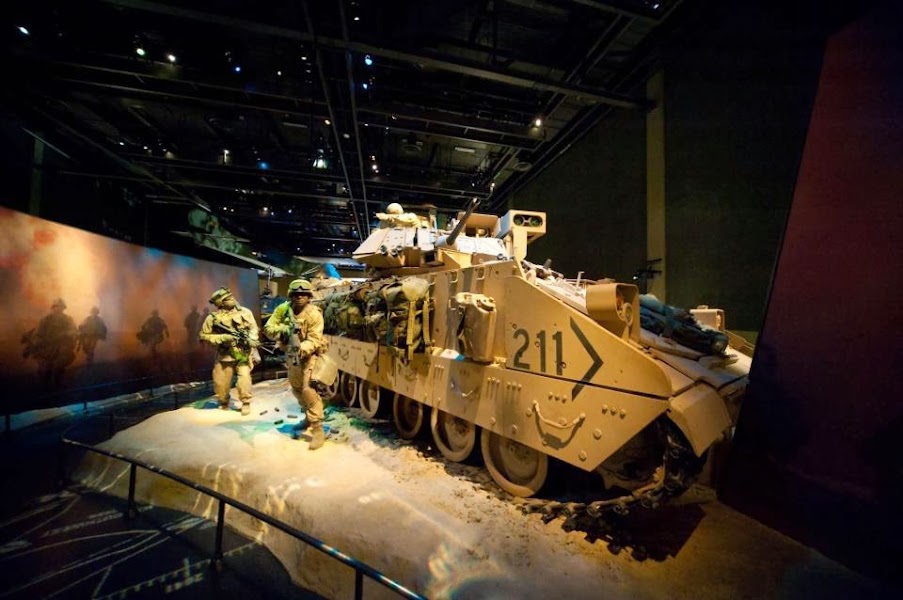
The National Infantry Museum, opened in 2009 on grounds adjacent to Fort Moore — formerly Fort Benning — is a 190,000-square-foot facility that is the largest museum in the U.S. Army museum system and the definitive chronicle of the American infantry soldier. Fort Moore is the largest U.S. Army infantry training installation in the world, and the museum's proximity to the post lends it an institutional authority that no replica facility could match. The permanent collection traces the history of American infantry soldiering from Valley Forge through the Global War on Terror with over 30,000 artifacts: Revolutionary War muskets, Civil War regimental battle flags, World War I German machine guns captured at Belleau Wood, and the personal equipment of modern American soldiers in Fallujah and Kandahar. Major exhibits include a full-scale recreation of a WWII German village street battle with sound and lighting effects, the Medal of Honor Hall featuring the stories of 478 recipients, a comprehensive Global War on Terror gallery, and outdoor displays of tanks, self-propelled artillery, helicopters, and aircraft from seven decades of American military aviation. Admission is free and the museum is consistently rated among the finest military museums in the world by visitors and institutions alike.
🍽️
Lunch
🍽️ Lunch9:45 AM
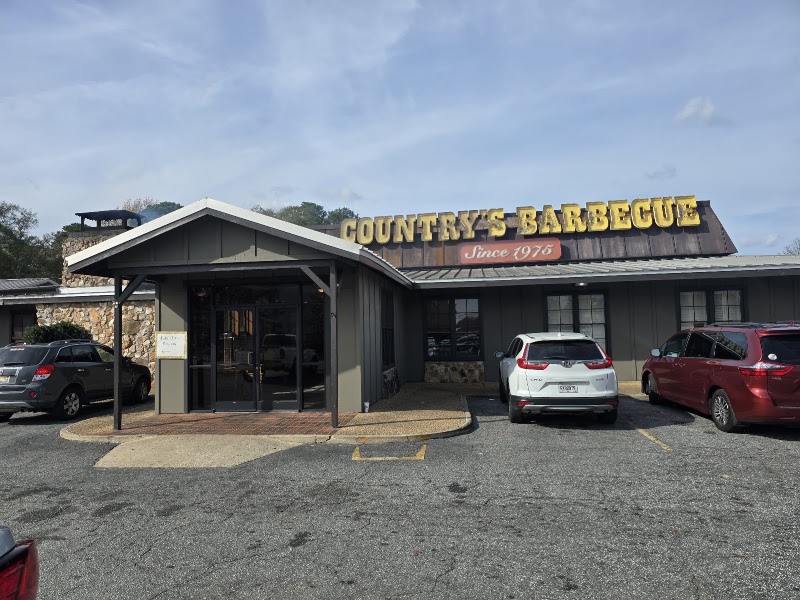
Country's Barbecue Columbus
Country's Barbecue is a Columbus institution for pit-smoked barbecue, offering slow-cooked pulled pork, ribs, and the full range of Southern barbecue sides in an unpretentious setting that has been feeding Columbus residents and military families from Fort Moore for decades. An excellent choice for a hearty, characteristically Georgian midday meal after a morning at the Infantry Museum.
4.1$barbecue restaurant📍 Maps →
3 options · tap to switch
☀️
Afternoon
Chattahoochee RiverWalk Columbus
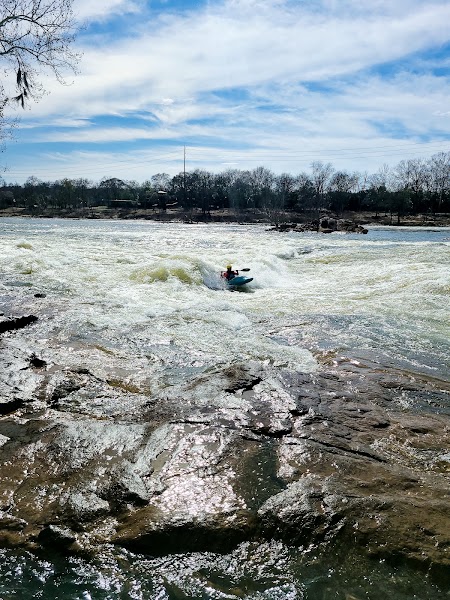
The Chattahoochee RiverWalk is a 15-mile linear riverfront park running along the Chattahoochee River through the heart of Columbus — the Georgia-Alabama state line — making it one of the longest urban riverfronts in the eastern United States. The park, developed in phases from 1992 through 2012, connects uptown Columbus through the historic Bibb City mill district to the South Commons through a continuous riverside greenway of well-maintained paths, public art installations, and river overlooks. The highlight is the whitewater section in the center of the city: the Chattahoochee drops over a series of ledges and rapids through Columbus that had historically been used to power the textile mills lining the riverbanks, and the recent removal of dam infrastructure has reopened what is now among the longest and most powerful urban whitewater rapids in the world for recreational kayaking. Even for non-paddlers, watching the river charge through the city rapids from the elevated RiverWalk path is a genuinely dramatic experience.
Springer Opera House Exterior & Uptown Columbus
4.3
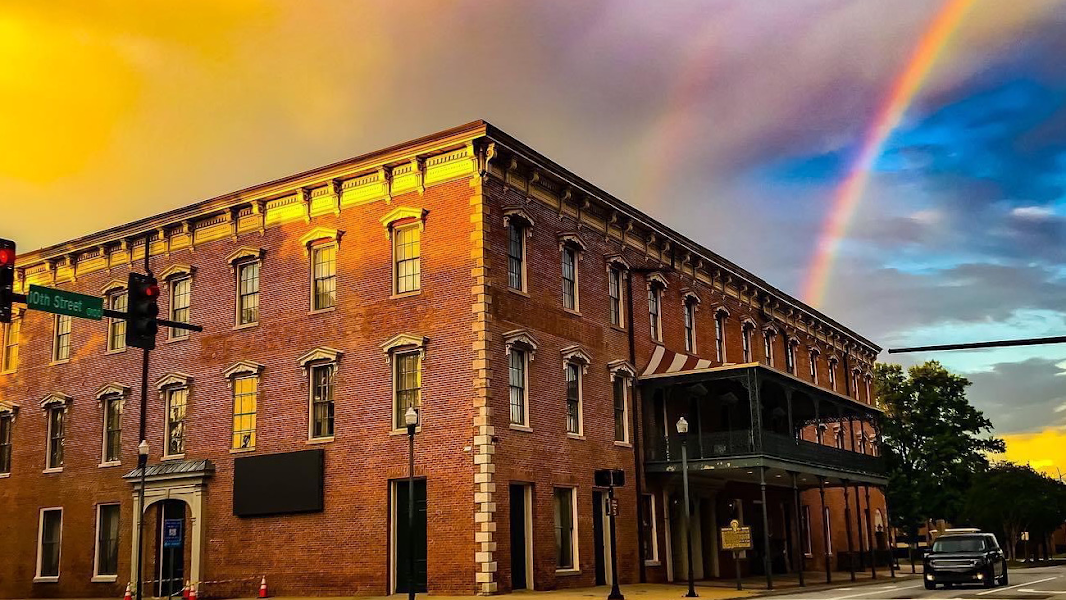
The Springer Opera House opened in 1871 as the finest theater in interior Georgia and has been designated Georgia's State Theatre by Governor Jimmy Carter in 1971 — a recognition of its place in the cultural history of the state. The theater's performance history is extraordinary: Edwin Booth — America's greatest nineteenth-century Shakespearean actor and older brother of President Lincoln's assassin John Wilkes Booth — performed here, as did Oscar Wilde during his 1882 American lecture tour, and Will Rogers among dozens of other national figures. The ornate Victorian building with its intimate 763-seat auditorium and original cast-iron box seats has presented live performances continuously since 1871 except during World War II. The building was nearly demolished in the 1960s before a community preservation campaign led to its meticulous restoration; the exterior's fine Italianate commercial architecture — with its bracketed cornice, arched windows, and detailed brickwork — is worth examining even if not attending a performance, and a walk through uptown Columbus's adjacent historic commercial district provides a fitting conclusion to three days in western Georgia.
🌙
Evening
🚗
Drive
Columbus, GAAtlanta, GA
1 hr 45 min5:00 PM6:45 PM
Plan your own escapeExplore more trips →