Organ Pipe Cactus National Monument — The Sonoran Desert's Wild Southern Edge
Two and a half hours west of Tucson, hard against the Mexican border, Organ Pipe Cactus National Monument protects the only place in the United States where the many-armed organ pipe cactus grows wild in abundance — a UNESCO-recognized biosphere reserve that is arguably the most pristine expanse of Sonoran Desert left in the country. Day one loops the rugged Ajo Mountain Drive through forests of organ pipe and saguaro beneath the jagged Ajo Range. Day two climbs the Bull Pasture Trail to a high desert overlook and, conditions permitting, visits the spring-fed oasis of Quitobaquito near the border. Day three explores the atmospheric copper-mining town of Ajo and the edge of the vast Cabeza Prieta wildlife refuge before the long drive home. This is remote, sun-blasted country: summer temperatures routinely top 110 degrees, services are minimal, and self-sufficiency with water and fuel is essential — plan this trip for the cooler months of late fall through early spring.
Day 1 — The Ajo Mountain Drive & the organ-pipe cactus forestDay 2 — The Bull Pasture Trail & Quitobaquito SpringsDay 3 — Historic Ajo & the Cabeza Prieta edge
Day 1 — Organ Pipe Cactus National Monument, AZ
Day 1 — Organ Pipe Cactus National Monument, AZ
🚗 3 hr 10 min driving📍 5 stops
🌅
Morning
🚗
Drive
Tucson, AZ → Kris Eggle Visitor Center, Organ Pipe Cactus NM
2 hr 30 min8:00 AM → 10:30 AM
Kris Eggle Visitor Center & Desert View Nature Trail
★ 4.7
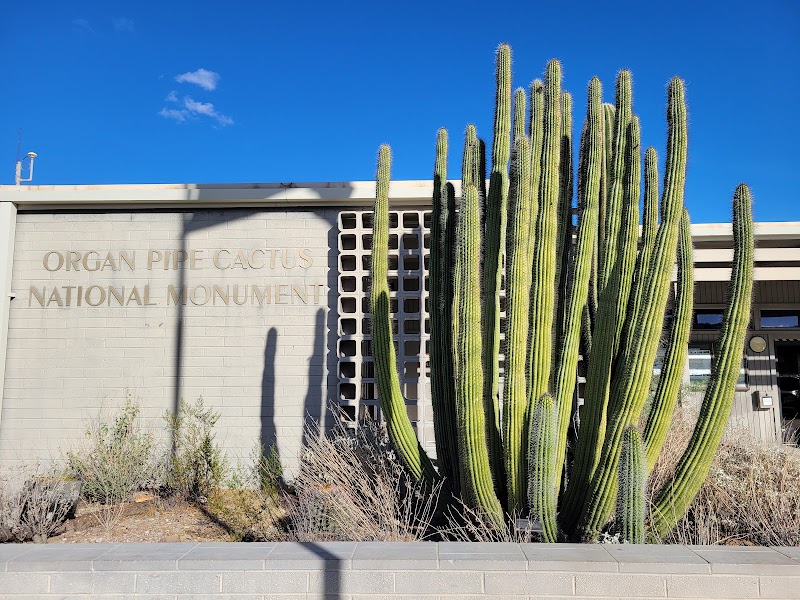
The Kris Eggle Visitor Center is the orientation hub and, in this remote monument, an important safety stop. Exhibits introduce the ecology of the organ pipe cactus — which reaches its northern limit here on warm, south-facing bajadas — and the monument's status as a UNESCO biosphere reserve, along with current road, trail, and border conditions. Rangers advise on the state of the Ajo Mountain Drive and the seasonally accessible Quitobaquito road. The short Desert View Nature Trail loops from the center for a first easy immersion in the cactus forest, with a border-country overlook. Top off water and fuel here or in Why; there is little of either deeper in the monument.
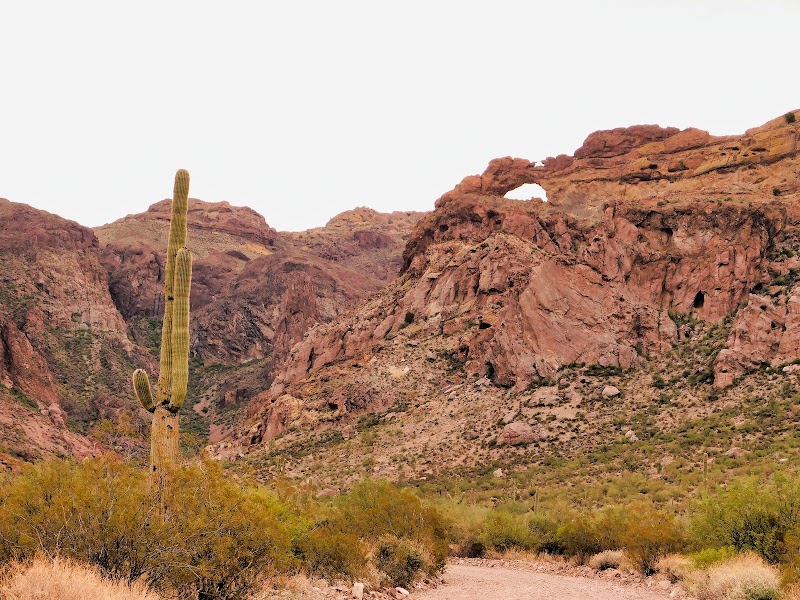
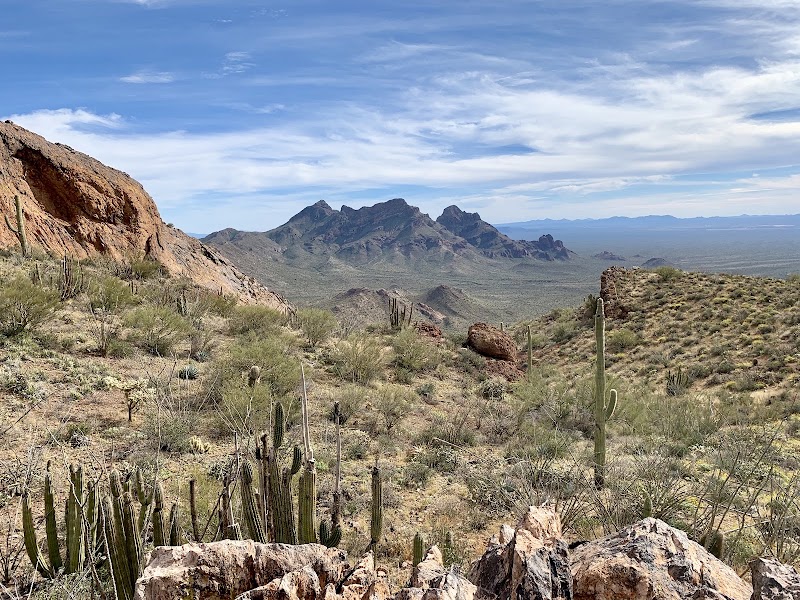
The 21-mile Ajo Mountain Drive is the monument's signature experience, a mostly one-way gravel loop that winds through the densest stands of organ pipe cactus in the country beneath the jagged volcanic wall of the Ajo Range. Numbered stops keyed to a park guide explain the desert's remarkable diversity — organ pipe, saguaro, senita, ocotillo, and cholla crowding the slopes — while the road climbs toward the natural stone arch of Arch Canyon and the ramparts of Mount Ajo, the monument's high point at 4,808 feet. Allow two to three hours to drive it slowly, stopping often; the road is rough but passable for most passenger cars in dry conditions. This is the finest windshield-and-short-walk tour of pristine Sonoran Desert anywhere.
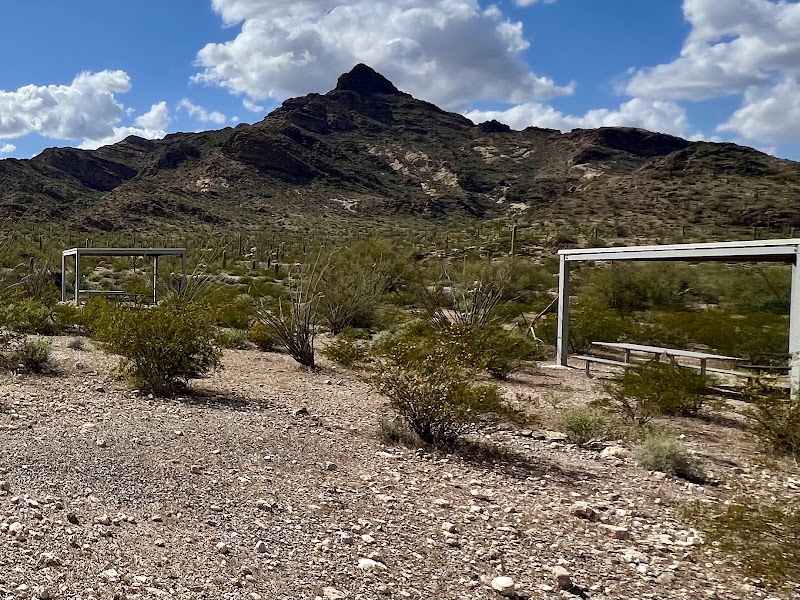
There are no restaurants inside the monument, so lunch is a packed picnic — and the pull-outs and small picnic areas along the Ajo Mountain Drive, particularly at Arch Canyon and the Estes Canyon trailhead, put a shaded table beneath the cactus forest with the Ajo Range towering overhead. Carry ample water in addition to food; the desert air is punishingly dry and there are no taps out here. Pack out all trash to keep this fragile biosphere pristine.
About midway around the Ajo Mountain Drive, the Arch Canyon Trail offers a chance to stretch the legs and walk into the range itself. A gentle 1.2-mile round trip leads to a fine view of the natural rock arch high on the canyon wall, while a rougher, unmaintained continuation climbs steeply into the canyon for stronger hikers seeking solitude and closer views of the arch and the surrounding cliffs. The trail threads through thick desert vegetation alive with cactus wrens, thrashers, and lizards, and in a wet spring the slopes bloom with brittlebush and poppies. Go in the cool of late afternoon, carry water, and watch your footing on the loose rock.
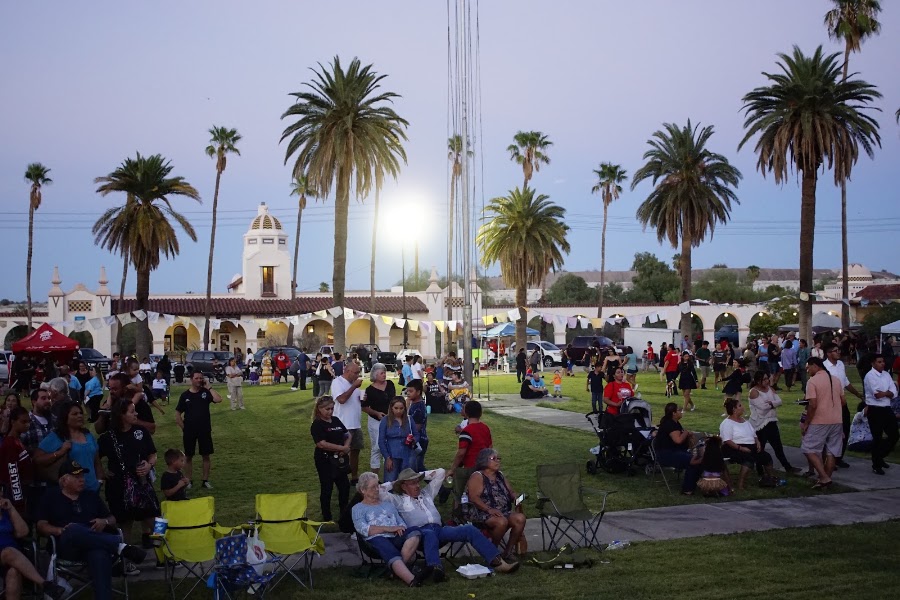
The old copper-mining town of Ajo, about forty minutes north of the monument, is the practical base for the trip's two nights and a genuinely charming one — its Spanish-colonial-revival plaza, ringed by arcaded shops and a pair of historic churches, is one of the prettiest town centers in rural Arizona. Ajo offers a handful of small hotels, inns, and vacation rentals plus a couple of restaurants and a grocery for provisioning. The tiny crossroads of Why, ten minutes from the monument entrance, has more basic motel and RV options for those who want to be closest to the park gate. Book ahead in the busy winter season; rooms in this remote corner are limited.
Day 2 — Bull Pasture & Quitobaquito, Organ Pipe Cactus NM, AZ
Day 2 — Bull Pasture & Quitobaquito, Organ Pipe Cactus NM, AZ
🚗 1 hr 20 min driving📍 5 stops
🌅
Morning
🚗
Drive
Ajo, AZ → Estes Canyon / Bull Pasture Trailhead
40 min8:00 AM → 8:40 AM
Bull Pasture & Estes Canyon Loop Trail
★ 4.9
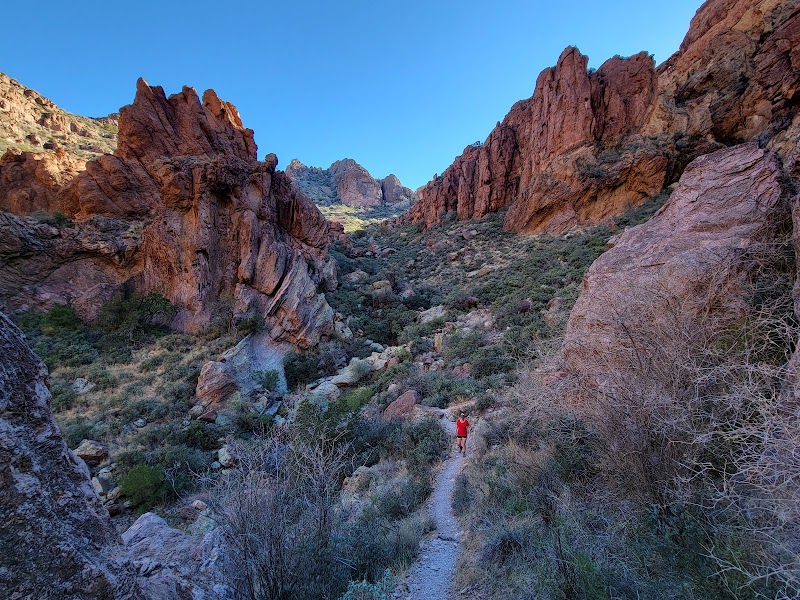
The Bull Pasture Trail is the monument's premier hike, climbing from the Ajo Mountain Drive into a high natural amphitheater beneath the crags of the Ajo Range where cattle once grazed. Done as a loop with the Estes Canyon Trail, it runs about 4.1 miles with roughly 1,000 feet of gain, ascending through increasingly lush desert vegetation to a saddle with sweeping views over the entire monument, the cactus-covered plains, and deep into Mexico. Bull Pasture itself is a surprisingly green bowl in spring, dotted with agave, ocotillo, and wildflowers, and it is prime habitat for desert bighorn sheep. Start at dawn — there is no shade and the exposure is total — and carry far more water than seems necessary. This is the physical highlight of the three days.
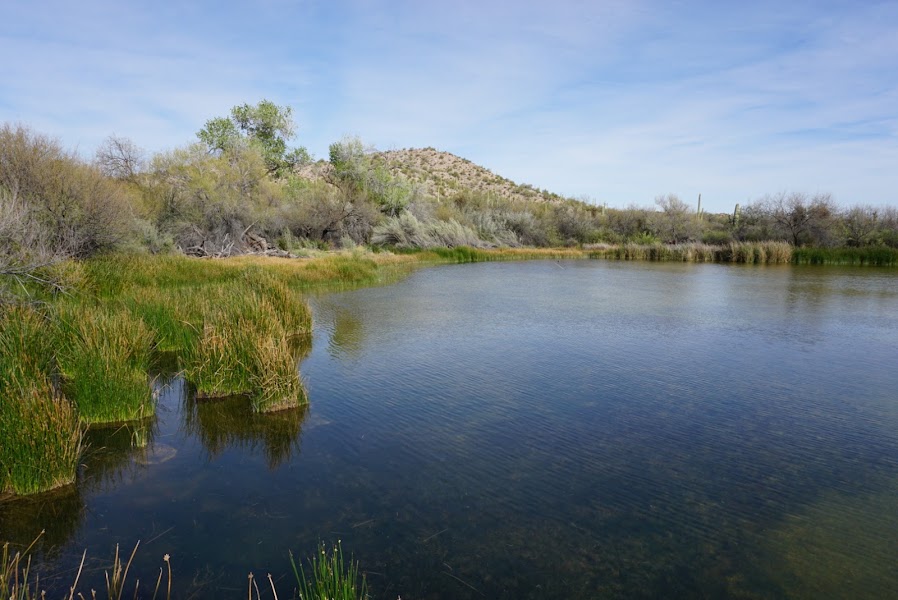
Along the Puerto Blanco Drive near the border lies Quitobaquito, an improbable desert oasis where spring water pools into a small pond fringed by cottonwoods and reeds in a sea of arid rock — a lifeline for wildlife and migratory birds and home to the endangered Quitobaquito pupfish and Sonoyta mud turtle, found almost nowhere else on Earth. For millennia the springs sustained the O'odham and travelers along the Camino del Diablo, and the site remains culturally sacred. Access depends entirely on current conditions: the Puerto Blanco/South Puerto Blanco road and the springs area are sometimes restricted for border-security or preservation reasons, so confirm with rangers at the visitor center before setting out, and treat the fragile oasis with utmost care. When open, it is one of the most extraordinary spots in the Sonoran Desert.
With no food service anywhere in the monument, a packed lunch eaten at a pull-out along the Puerto Blanco Drive — or, if the road is closed, back at the visitor center picnic area — is the day's midday plan. The desert here is spare and magnificent; find a scrap of shade, hydrate hard, and watch for the quick-moving desert wildlife that Quitobaquito's water draws. Carry out everything and keep a close eye on your water supply in this heat.
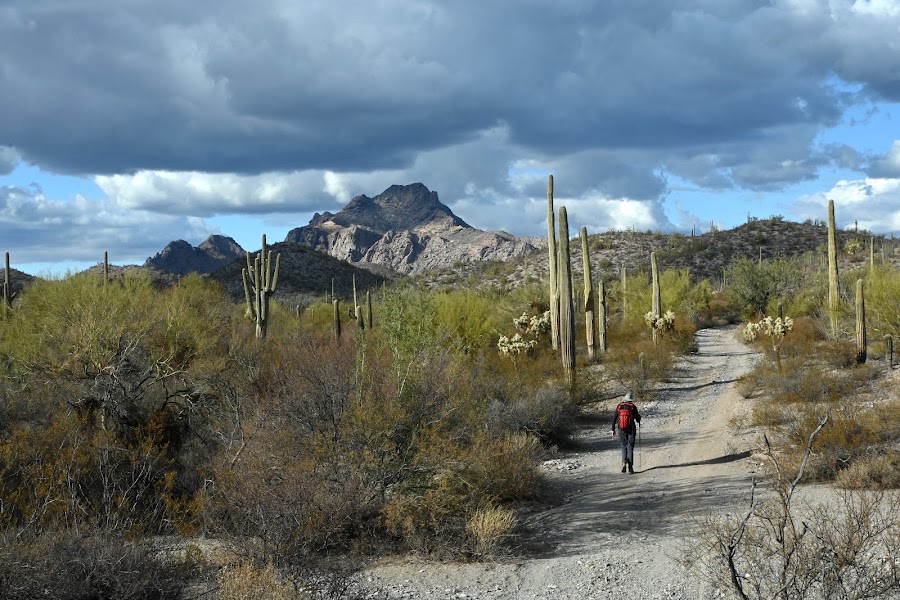
From near the campground, the Victoria Mine Trail makes a fine, less-strenuous afternoon walk — a roughly 4.4-mile round trip across the open desert to the ruins of the oldest mine in the region, where stone building shells and an old shaft recall the late-1800s silver and gold rush that predated the monument. The trail rolls gently through classic organ pipe and saguaro forest with long views to the Sonoyta Valley, and it connects to the Red Tanks Tinaja spur, which leads to natural rock water pockets that sustain desert wildlife. It is an easy way to bookend the harder Bull Pasture climb, and the late light on the cactus and the distant ranges is superb. Carry water and turn back with daylight to spare.
A second night back in Ajo lets you settle into the town's easy rhythm — dinner at one of its handful of cafes and cantinas around the historic plaza, and a stroll beneath the palms and the illuminated Spanish-revival train depot and churches. The dark skies over this remote corner of Arizona are exceptional for stargazing once the town quiets. Return to your hotel, inn, or rental for the night; you'll spend tomorrow morning exploring Ajo itself before the long drive home.
Day 3 — Ajo & the Cabeza Prieta Edge, AZ
Day 3 — Ajo & the Cabeza Prieta Edge, AZ
🚗 2 hr 30 min driving📍 4 stops
🌅
Morning
Historic Ajo Plaza & the New Cornelia Open-Pit Mine Overlook
Ajo was built as a company town for the New Cornelia copper mine, and its legacy is written across the landscape. The morning begins in the palm-lined Spanish-colonial-revival plaza — arcaded shops, a curved train depot, and twin 1910s churches around a central park — before a short drive to the overlook above the New Cornelia open pit, a mile-and-a-half-wide terraced crater gouged into the earth that ranks among the largest open-pit mines in the country. Interpretive signs recount the copper boom that built the town and its quiet decline after the mine closed in 1985. Ajo has since reinvented itself as an arts colony, and murals and galleries in the restored downtown reward an unhurried wander.
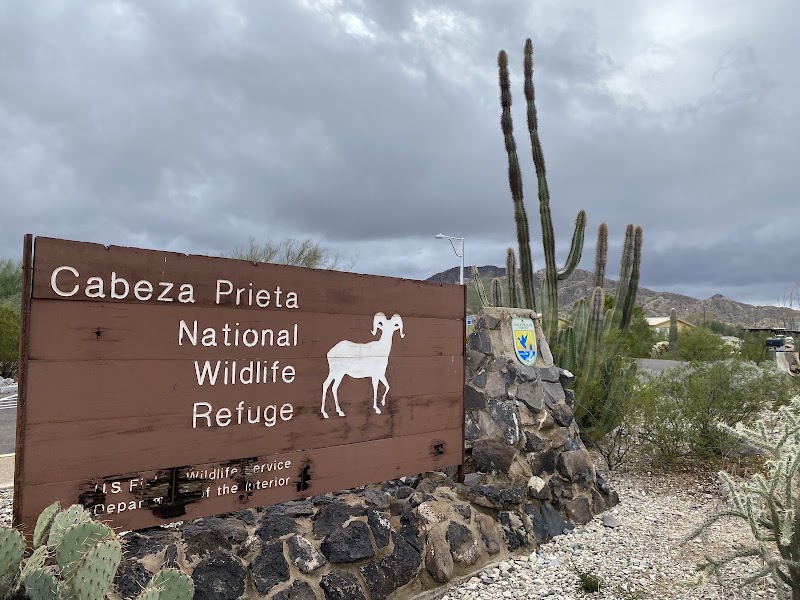
Cabeza Prieta National Wildlife Refuge Visitor Center
★ 4.5
On the edge of Ajo sits the visitor center for Cabeza Prieta National Wildlife Refuge, gateway to 860,000 acres of some of the wildest, most inaccessible desert in North America — a refuge for the endangered Sonoran pronghorn and desert bighorn where the harsh Camino del Diablo once claimed the lives of countless travelers. The refuge interior requires permits, high-clearance vehicles, and serious preparation and largely overlaps a military bombing range, so most visitors experience it from this excellent center, whose exhibits and short native-plant garden convey the immensity and fragility of the surrounding wilderness. It is a powerful, sobering coda to three days spent at the country's remote southern edge, and a chance to grasp just how empty and unforgiving this land remains.
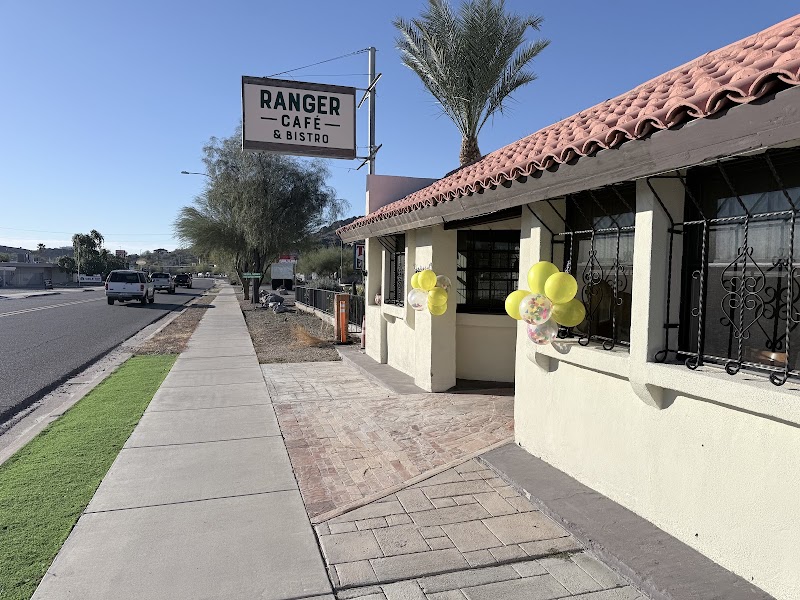
Before the long drive back to Tucson, the restored Ajo plaza and its nearby streets offer the trip's most reliable sit-down meal — a Sonoran-Mexican cafe, a bakery, and a farmers-market-fed community kitchen among them, several housed in the arcaded former company-town storefronts. It is the last dependable food and fuel for a good while, so eat well, fill the tank, and stock water for the road east. A relaxed lunch here is the natural pause before pointing the car back toward Tucson.
Curator's Coffee & the Sonoran Desert Inn Conservancy
★ 4.7
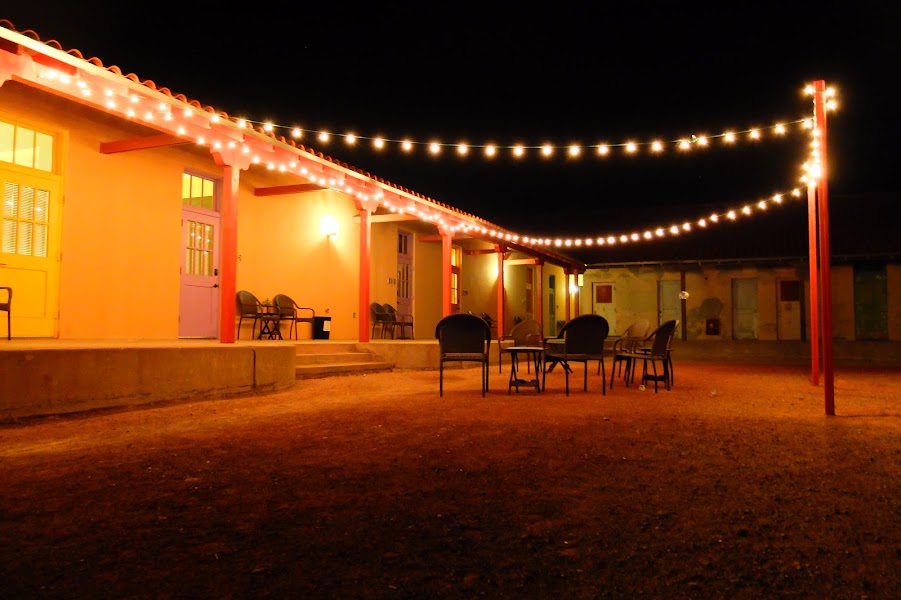
For a final, gentle hour before the road, the restored school building that now houses the Sonoran Desert Inn and Conservancy is the heart of Ajo's arts revival — its courtyard, artist studios, and rotating exhibitions showcase the creative energy that has flowed into the town since the mine closed. A stop for coffee and a browse through the galleries and murals of the surrounding arts district makes an easy, low-key close to the weekend, letting the midday desert heat ebb before you commit to the two-and-a-half-hour drive back to Tucson. Confirm your water and fuel one last time; the road east is long and empty.