← The Weekend Getaways
🏛️ CulturalDay trip · from Tucson, AZ

Tubac & Nogales — Arizona's First Presidio to the Border

Fifty minutes south of Tucson down the Santa Cruz River valley, the tiny village of Tubac layers three and a half centuries of history beneath a thriving artists' colony. Founded as a Spanish presidio in 1752 — the first European settlement in what is now Arizona — Tubac was the launch point for Juan Bautista de Anza's 1775-76 expedition that founded San Francisco. The old fort is preserved as the Tubac Presidio, Arizona's first state park, where an underground archaeology display lets you look at the original 1752 foundations. Today more than a hundred galleries, studios, and shops fill the adobe lanes, making Tubac one of the Southwest's most beloved art destinations. From there the day continues south to the international line at Nogales, the busy twin border city where Arizona meets Sonora and the culture, food, and architecture blend seamlessly across the fence — a fitting bookend to a day spent tracing the deep Spanish and Mexican roots of the borderlands.

The Tubac Presidio — Arizona's first European settlementThe Tubac galleries & the border city of Nogales
Day 1Tubac & Nogales, AZ

Day 1Tubac & Nogales, AZ

🚗 2 hr 20 min driving📍 5 stops
🌅
Morning
🚗
Drive
Tucson, AZTubac, AZ
50 min8:00 AM8:50 AM
Tubac Presidio State Historic Park
4.6
Begin at the birthplace of European Arizona. The Spanish established the Presidio San Ignacio de Tubac here in 1752 to protect settlers and missionaries in the Santa Cruz valley, making it the oldest European settlement in the state. From this fort, Captain Juan Bautista de Anza set out in 1775 on the overland expedition that would found San Francisco. As Arizona's first state park (established 1959), the site preserves an 1885 territorial schoolhouse, an 1880s Rojas adobe house, and — most remarkably — an underground archaeology display where a glass-covered pit reveals the original 1752 presidio foundation walls exactly where they were excavated. The museum houses Anza-era artifacts and the state's oldest printing press, giving essential context before you wander the galleries outside.
🍽️
Lunch
Tubac Art Colony & Galleries
4.8
The old presidio village has reinvented itself as one of the Southwest's premier arts communities, its motto proudly declaring that 'Tubac is where art and history meet.' More than a hundred galleries, studios, and shops crowd the shaded adobe lanes, selling everything from serious Southwestern painting, bronze sculpture, and Native and Mexican folk art to hand-forged ironwork, pottery, textiles, and jewelry. Many artists work on-site, and the village retains an unhurried, pedestrian character that rewards slow wandering with a coffee in hand. The whole colony can be covered on foot in an afternoon, and it is at its liveliest in the cooler months when the winter arts festival draws crowds from across the region.
🍽️ Lunch10:50 AM
Elvira's Restaurant, Tubac
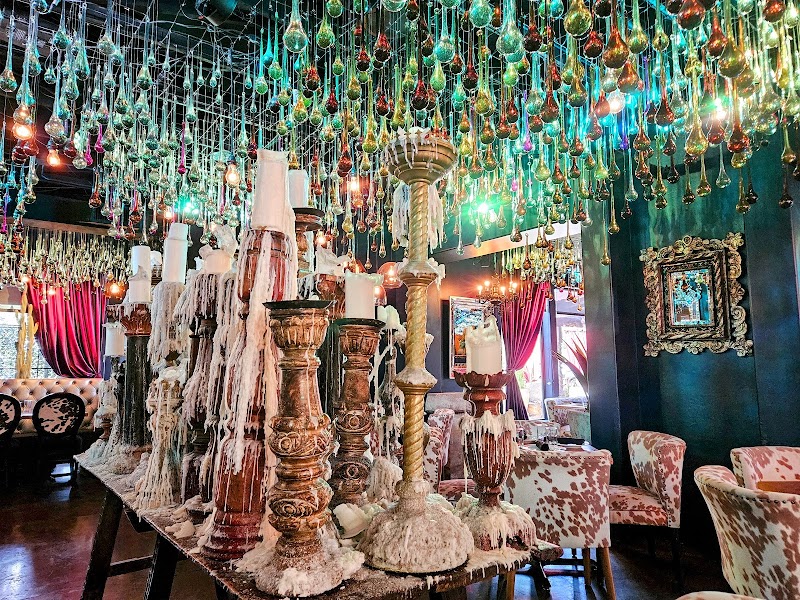
A Nogales institution for generations before it crossed north to Tubac, Elvira's serves refined Sonoran and interior-Mexican cooking in a strikingly designed room with a ceiling of hanging colored glass. It is best known for its seven mole sauces, its chiles en nogada in season, and a deep tequila list, all a cut above the border-town norm. The setting in the heart of the gallery village makes it the natural midday stop between browsing sessions. Reservations are wise on winter weekends when Tubac fills with visitors.
4.4$$restaurant📍 Maps →
3 options · tap to switch
☀️
Afternoon
🚗
Drive
Tubac, AZNogales, AZ
25 min12:00 PM12:25 PM
Nogales Border District & Pimeria Alta Museum
4.5
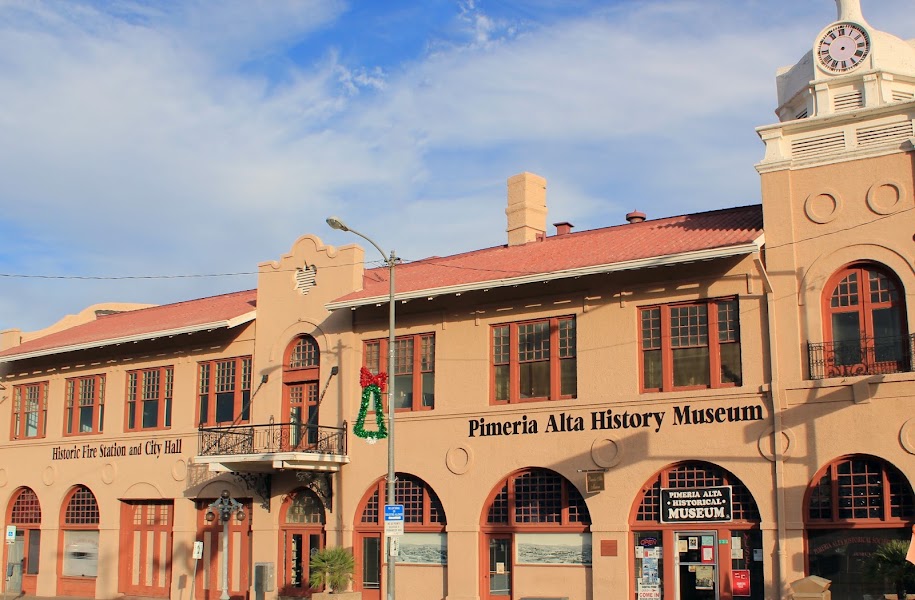
Nogales is the largest of Arizona's border communities, a single city functionally split by the international line into Nogales, Arizona and its much larger twin, Nogales, Sonora — together known as Ambos Nogales, 'both Nogaleses.' On the U.S. side, the historic downtown along Morley Avenue retains early-twentieth-century brick storefronts, and the Pimeria Alta Historical Society Museum, housed in the 1914 former city hall and fire station, traces the region's Spanish, Mexican, and railroad heritage. The border wall itself is a stark, sobering sight, and the bilingual, bicultural rhythm of the streets — Spanish signage, Sonoran food, cross-border commerce — makes vivid how porous and shared this borderland's culture remains. It is a thought-provoking counterpoint to Tubac's polished galleries.
🌙
Evening
Tumacacori & the Santa Cruz River Valley
4.8
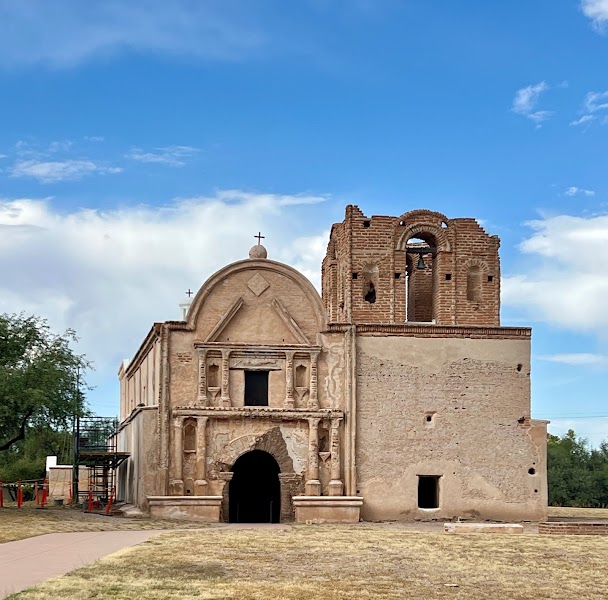
On the drive back north, the light lengthens over the Santa Cruz River valley and the old mission communities strung along it. Pull off at Tumacacori, where the roofless adobe shell of a Spanish colonial mission church glows against the Santa Rita Mountains in the late afternoon — even a stop in the parking area frames a memorable view of the eighteenth-century sanctuary and its dome. The valley's cottonwood-lined river, its pecan orchards, and its chain of presidios and missions form one continuous thread of borderland history stretching from Tubac to Tucson. It is a fitting, contemplative close before the highway carries you back to the city.
🚗
Drive
Nogales, AZTucson, AZ
1 hr 5 min6:00 PM7:05 PM
Plan your own escapeExplore more trips →