← The Weekend Getaways
🏛️ CulturalLong weekend · from Birmingham, AL

The Alabama Black Belt — Antebellum Mansions, Plantation Country & a Lost Capital

Named for its dark, fertile soil, the Alabama Black Belt was the antebellum South's cotton kingdom, and its small towns hold an astonishing density of Greek Revival architecture and layered, difficult history. Ninety minutes southwest of Birmingham, Demopolis anchors three days on the Tombigbee and Black Warrior rivers. Day one tours its two great house museums, Gaineswood and Bluff Hall. Day two roams the plantation country of Marengo and Greene counties and the courthouse-square town of Eutaw, dense with National Register homes. Day three visits the haunting ruins of Old Cahawba, Alabama's first state capital, now a ghost town, and skirts the edge of Selma before turning home. Both nights are spent in Demopolis, a river town of columned porches and wide sunsets.

Day 1 — Demopolis: Gaineswood & Bluff Hall antebellum mansionsDay 2 — Marengo & Greene County plantation country & Eutaw's historic districtDay 3 — Old Cahawba, Alabama's lost first capital
Day 1Demopolis, AL

Day 1Demopolis, AL

🚗 1 hr 30 min driving📍 5 stops
🌅
Morning
🚗
Drive
Birmingham, ALGaineswood, Demopolis
1 hr 30 min8:00 AM9:30 AM
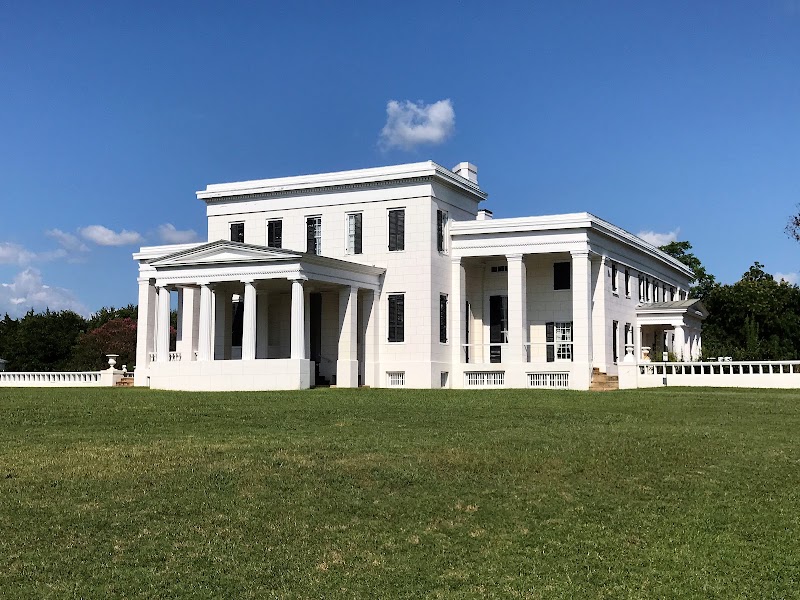
Gaineswood National Historic Landmark
4.7
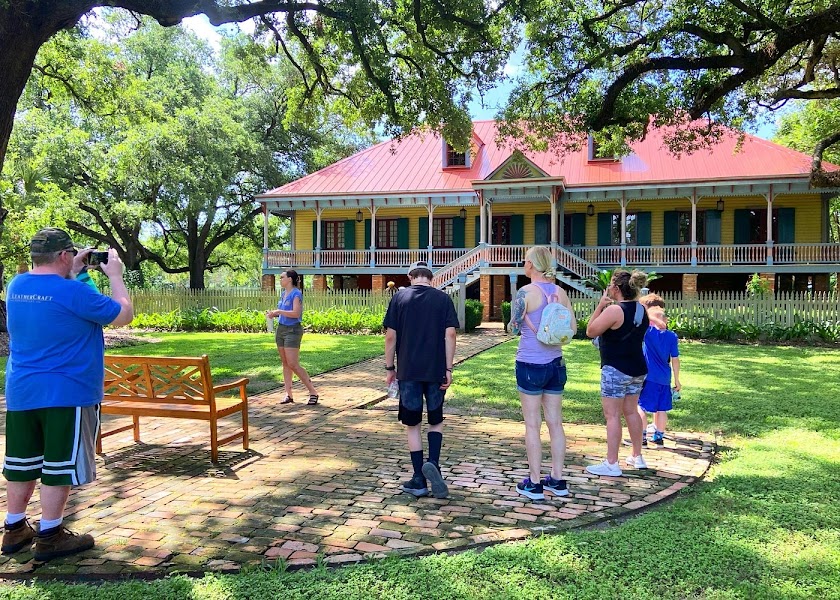
One of the most extraordinary Greek Revival houses in the South, Gaineswood was built between roughly 1843 and 1861 by planter Nathan Bryan Whitfield, who designed and redesigned it obsessively over nearly two decades, much of the work carried out by enslaved craftsmen. The interior is a dazzling sequence of domed and coffered ceilings, mirrored parlors, fluted columns, and elaborate plasterwork that reward slow study. A National Historic Landmark operated by the Alabama Historical Commission, it retains many original furnishings and an atmosphere of eccentric grandeur. The guided tour candidly addresses the enslaved labor that built and ran the estate, grounding the beauty in its full history.
🍽️
Lunch
🍽️ Lunch10:30 AM
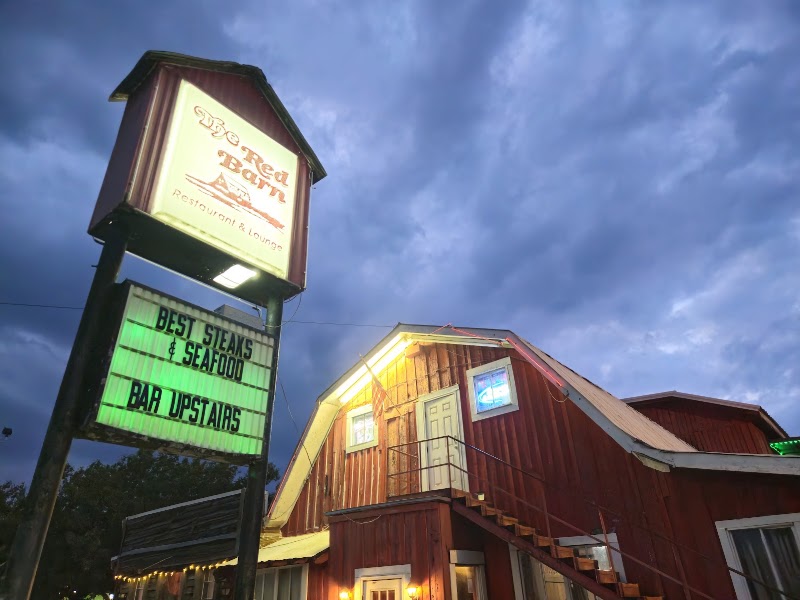
The Red Barn / Downtown Demopolis Lunch
A longtime Demopolis favorite housed in a rustic barn-style building, The Red Barn serves steaks, seafood, and Southern plates and makes a hearty midday stop between the town's two great houses. Demopolis's compact downtown, arranged around a public square, also holds a handful of cafes and casual eateries for a lighter lunch. Either way it is easy small-town dining. The square itself is worth a quick look for its old storefronts and river-town character.
4.4$$bar📍 Maps →
3 options · tap to switch
☀️
Afternoon
Bluff Hall
Bluff Hall
4.7
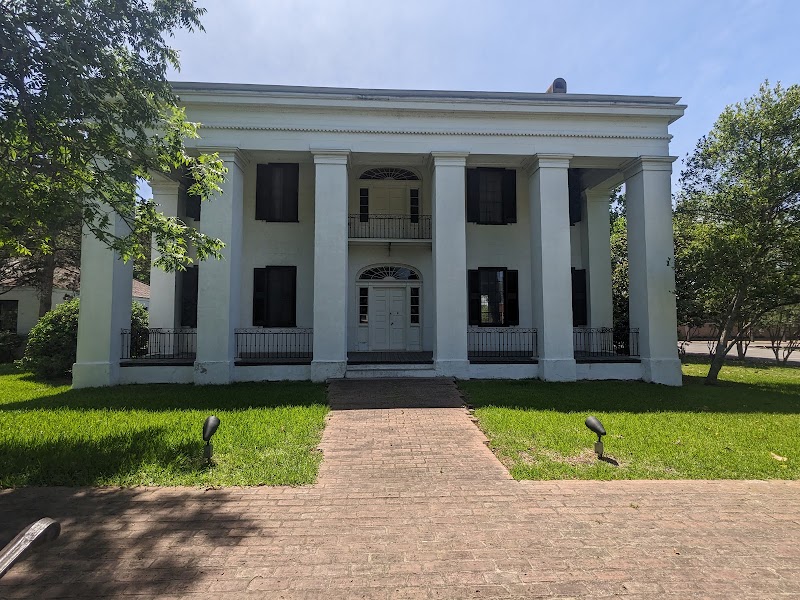
Perched on a chalk-white limestone bluff above the Tombigbee River, Bluff Hall is a handsome 1832 townhouse that began as a Federal-style brick home and gained its imposing Greek Revival portico in the 1850s. Now operated as a house museum by the Marengo County Historical Society, it is furnished with period antiques and holds a costume collection illustrating antebellum and Victorian daily life. The setting is the draw as much as the house: the bluff gives sweeping views over the river that first drew French Bonapartist exiles to found Demopolis — the 'City of the People' — in 1817. It pairs naturally with Gaineswood for a full day of the town's architecture.
📍
Rooster Bridge & the Tombigbee Riverfront
Close out the day along the water where the Black Warrior and Tombigbee rivers meet at Demopolis, the head of navigation that made this a bustling nineteenth-century river port. The riverfront and the nearby lock and dam offer easy overlooks, and the white chalk bluffs glow in the late light. It is a quiet, scenic way to absorb the geography that shaped the whole region before dinner. Watch for towboats pushing barges through the lock, a reminder the working river never stopped.
🌙
Evening
🛏️
Lodging in Demopolis
Demopolis is the natural base for all three days and offers a modest selection of well-kept chain hotels near U.S. 80, along with a few historic bed-and-breakfasts in restored homes for travelers who want more period atmosphere. Book a B&B early, as rooms are limited in this small town. Evenings are quiet; plan dinner around the downtown square or the riverfront restaurants. A columned porch at sunset over the Tombigbee is the Black Belt at its most evocative.
Day 2Eutaw & Greene County, AL

Day 2Eutaw & Greene County, AL

🚗 1 hr 30 min driving📍 4 stops
🌅
Morning
🚗
Drive
Demopolis, ALEutaw, AL
45 min8:00 AM8:45 AM
Eutaw Historic District & Courthouse Square
4.3
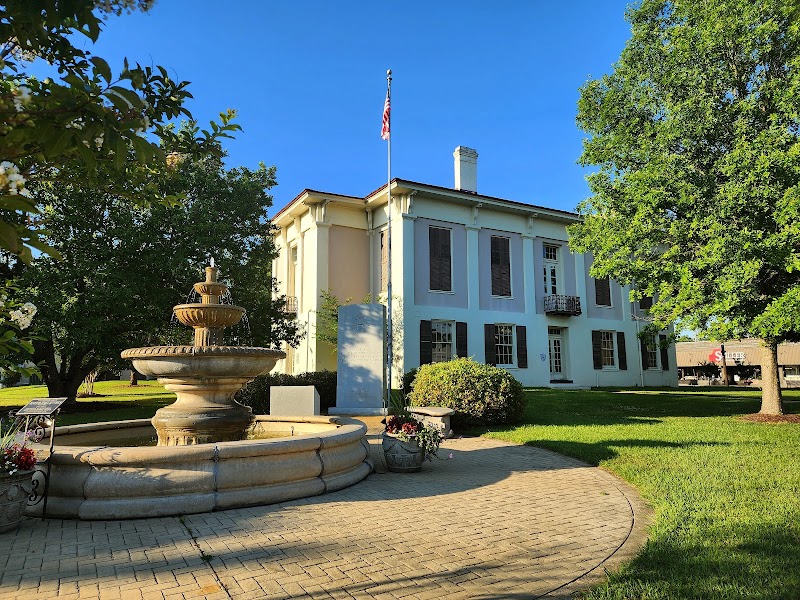
The Greene County seat of Eutaw holds one of the densest concentrations of antebellum architecture in Alabama — more than fifty structures on the National Register clustered around its 1869 courthouse square. A self-guided drive and walk passes an astonishing run of Greek Revival and Federal mansions, cottages, and churches, among them the 1841 Vaughn-Morrow House and the Greek Revival First Presbyterian Church. Many are private homes, best appreciated from the tree-shaded streets, but the sheer survival of so much cotton-boom architecture in one small town is remarkable. The square itself, with its old storefronts, anchors the district.
🍽️
Lunch
🍽️ Lunch9:45 AM
🍽️
The Cotton Patch, Eutaw
A rural institution outside Eutaw, The Cotton Patch has served Southern country cooking — fried chicken, catfish, field peas, cornbread, and pie — in a rustic setting for decades, drawing diners from across the Black Belt. It is exactly the sort of unhurried, generous meal to anchor a day of small-town touring. The setting amid the fields underlines the plantation-country landscape you are traveling through. Hours can be limited midweek, so it is worth confirming before you go.
$$restaurant📍 Maps →
3 options · tap to switch
☀️
Afternoon
Marengo & Greene County Plantation Country Drive
4.7
The back roads of Marengo and Greene counties wind through the heart of the old cotton kingdom, past surviving plantation houses, tenant cabins, country churches, and the black prairie soil that gave the Black Belt its name and its wealth. Landmarks along the way include the Thornhill and Rosemount estates and clusters of nineteenth-century rural churches. The landscape tells the layered story of a region built on enslaved labor, transformed by emancipation and sharecropping, and later a crucible of the civil rights movement. Drive it slowly with a county map; the beauty and the weight of the history sit side by side.
🚗
Drive
Eutaw, ALDemopolis, AL
45 min1:00 PM1:45 PM
🌙
Evening
🛏️
Second Night in Demopolis
A second night back in Demopolis keeps the base steady and puts you well within reach of Old Cahawba for the final day. Return to the downtown square or the riverfront for dinner, and take an evening walk along the Tombigbee if the weather is fine. The town's quiet, unhurried pace is part of its charm. Rest up for a day-three route that runs deeper into the Black Belt before the drive home.
Day 3Old Cahawba & the Selma Edge, AL

Day 3Old Cahawba & the Selma Edge, AL

🚗 3 hr 20 min driving📍 3 stops
🌅
Morning
🚗
Drive
Demopolis, ALOld Cahawba Archaeological Park
1 hr 15 min8:00 AM9:15 AM
Old Cahawba Archaeological Park
4.7
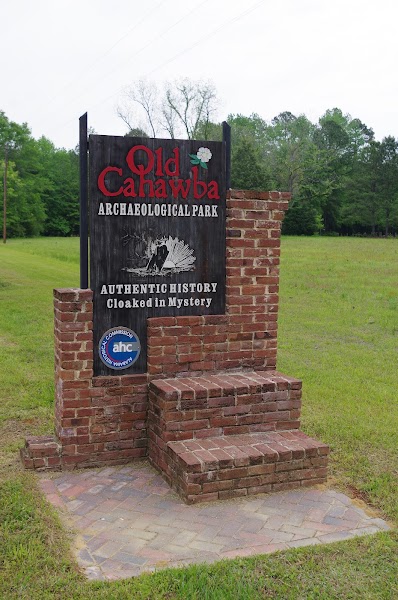
At the confluence of the Alabama and Cahaba rivers lies Old Cahawba, Alabama's first permanent state capital from 1820 to 1826 and now the state's most famous ghost town. Once a thriving antebellum river city, it was abandoned after repeated flooding and the loss of the capital, and after the Civil War much of it simply melted back into the fields and forest. Today the archaeological park is a hauntingly beautiful landscape of empty streets, standing chimneys, old cemeteries, a ghostly avenue of cedars and columns, and interpretive markers where grand houses once stood. Begin at the welcome center, then drive and walk the quiet grid; few places convey the rise and fall of the Black Belt so vividly.
🍽️
Lunch
🚗
Drive
Old Cahawba, ALSelma outskirts, AL
20 min10:15 AM10:35 AM
🍽️ Lunch10:35 AM
Lannie's Bar-B-Q Spot, Selma
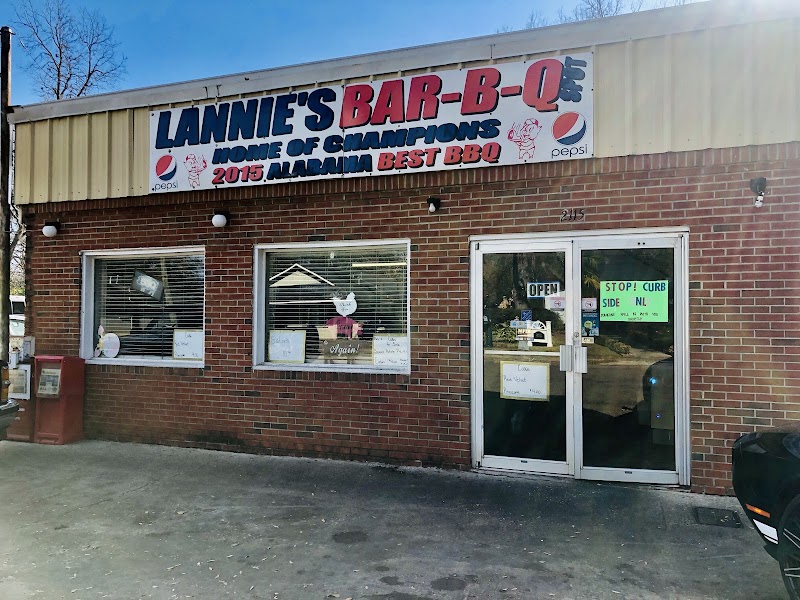
On the edge of Selma, Lannie's Bar-B-Q Spot has been smoking pork and serving Black Belt barbecue since 1944, a Black-owned family institution and a genuine taste of the region. It makes a fitting, unfussy lunch stop as the route brushes past Selma toward home — pulled pork, ribs, and the tangy local sauce, done the old way. This journey deliberately leaves Selma's marquee civil rights sites for a dedicated trip, but a good barbecue lunch on its outskirts is a natural pause. Expect a counter-service line and cash-friendly prices.
4.6$$restaurant📍 Maps →
3 options · tap to switch
☀️
Afternoon
Old Live Oak Cemetery & Selma's Historic Fringe
4.4
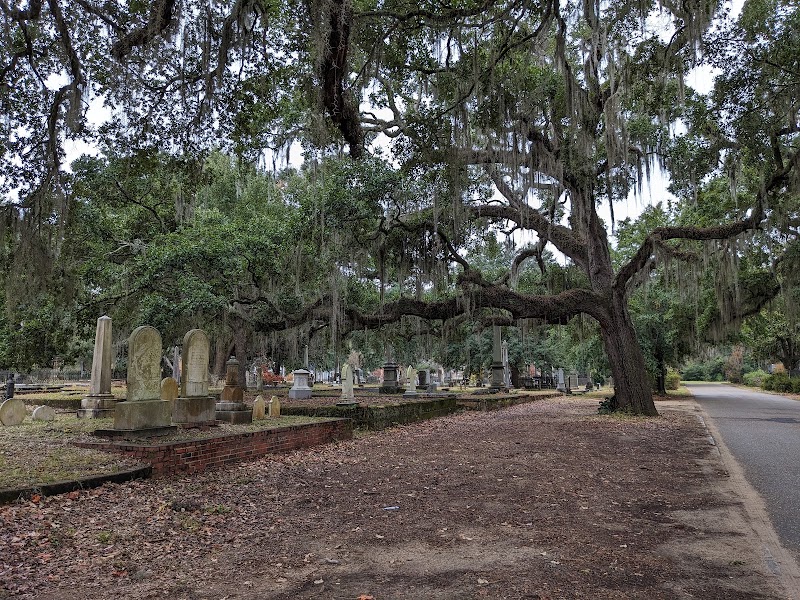
Before pointing home, a short quiet stop at Old Live Oak Cemetery captures another side of Selma away from its famous downtown landmarks: a moss-draped, deeply atmospheric Victorian burial ground of towering live oaks, ornate ironwork, and nineteenth-century monuments, often ranked among the most beautiful cemeteries in the South. It is a contemplative counterpoint to the ghost town of Cahawba and a fitting close to three days spent among the Black Belt's layered past. From here the route turns north for the drive back to Birmingham. Wander the shaded lanes for a half hour; the light through the oaks is remarkable.
🌙
Evening
🚗
Drive
Selma, ALBirmingham, AL
1 hr 45 min5:00 PM6:45 PM
Plan your own escapeExplore more trips →