🏛️ CulturalDay trip · from Minneapolis, MN
Stillwater: Minnesota's Birthplace & the Antique Capital of the Midwest
Perched above the St. Croix River on a bluff that once rang with the screech of sawmill blades, Stillwater is where Minnesota began — the first territorial legislature convened here in 1848, making this river town the cradle of statehood before St. Paul or Minneapolis existed as anything more than frontier outposts. The logging wealth of the 1880s left behind a remarkably intact Victorian streetscape, and today more than 80 antique dealers occupy the former storefronts and warehouses of the logging barons, making Stillwater the most concentrated antique destination in the entire Midwest.
Day 1 — Stillwater, MN
Day 1 — Stillwater, MN
Day 1 — Stillwater, MN
🚗 1 hr driving📍 5 stops
🌅
Morning
🚗
Drive
Minneapolis, MN → Stillwater Historic Downtown
30 min
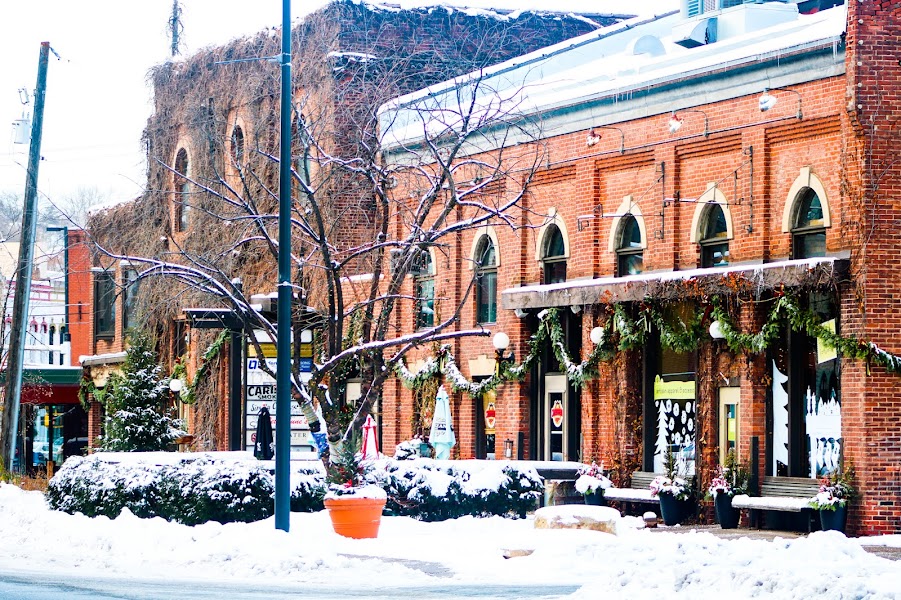
Stillwater Historic Downtown — Main Street
★ Reviews →Stillwater holds a distinction that Minneapolis and St. Paul cannot claim: it is Minnesota's birthplace city, the place where 61 delegates gathered in a log-built convention hall in August 1848 to petition Congress for territorial status and convene the first territorial legislature. The decision to hold that convention in Stillwater rather than any other settlement was no accident — the town sat at the heart of the white pine empire, the point where massive log rafts floating down the St. Croix River from the vast northern forests were caught, sorted, and fed into the sawmills that milled lumber for the prairie states. By the 1880s Stillwater's mills were processing hundreds of millions of board feet per year, and the fortunes that poured from that industry built the ornate Italianate and Queen Anne mansions that still line the bluff streets above Main. When the great pine forests were exhausted by 1900, Stillwater's boom ended — but the economic stillness that followed preserved its Victorian streetscape intact, and today more than 80 antique dealers occupy the former logging-era storefronts, warehouses, and commercial blocks along Main Street and Chestnut Street, making Stillwater the most concentrated antique shopping district in the Midwest. The original 1843 territorial jail — a rough limestone structure — remains visible near the waterfront, a reminder of the rougher frontier chapter that preceded the lumber barons' gilded age.
~1 hr📍 See location
🍽️
Lunch
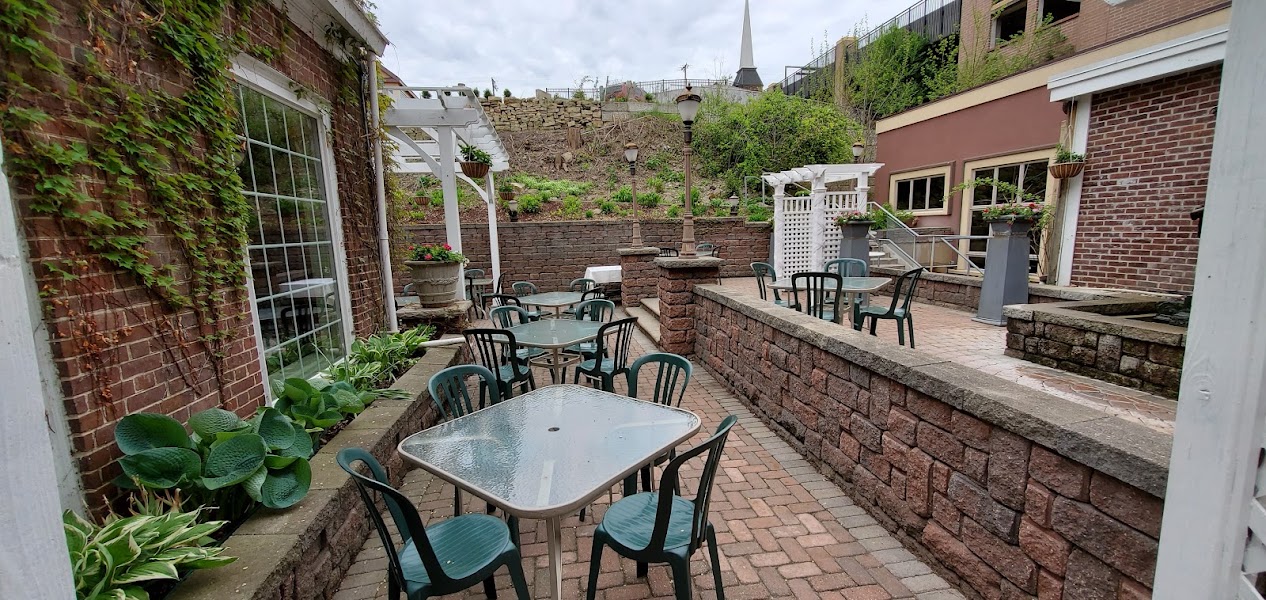
Lowell Inn
★ Reviews →Opened in 1927 on the site of an earlier hotel that dated to Stillwater's territorial days, the Lowell Inn is one of the most enduring fine dining institutions in Minnesota — a white-columned Colonial Revival building whose George Washington Room has served formal luncheons and dinners since the early years of FDR's first term. The dining room is an exercise in deliberate grandeur: murals of Washington at Valley Forge cover the walls, period silver service gleams on white-linen tables, and the menu leans into the inn's historical identity with classic American preparations that would have been recognizable to guests arriving by riverboat. For visitors who have spent the morning in Stillwater's antique emporiums, a midday meal at the Lowell Inn is the logical continuation — a dining room that is itself a kind of living antique, one of the most formally elegant restaurants in Minnesota outside the Twin Cities proper.
☀️
Afternoon
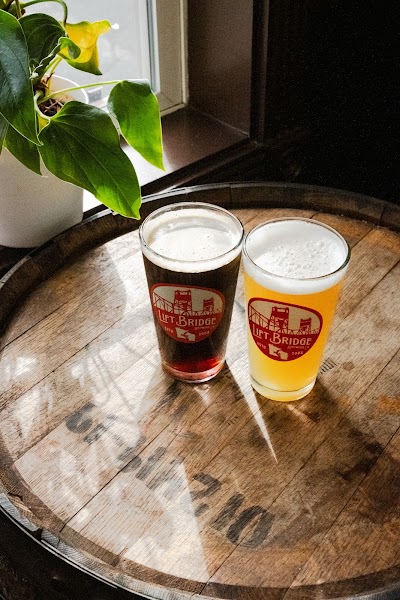
Lift Bridge Brewery
★ Reviews →Founded in 2008 and housed in a historic downtown Stillwater building, Lift Bridge Brewery takes its name from one of the most mechanically distinctive crossings in the Upper Midwest: the 1931 vertical-lift bridge that spans the St. Croix River between Stillwater and Houlton, Wisconsin. For decades that bridge was the only automobile crossing between the two states for miles in either direction, and its raising and lowering for river traffic was a daily spectacle for the town. Lift Bridge's flagship beers — Farm Girl Saison, brewed with local honey and orange peel; and Crosscut Pale Ale, crisp and citrus-forward — are among the best-known craft beers in the Twin Cities metro. The brewery's patio and taproom offer views down toward the river valley that made Stillwater's fortune, a fitting place to raise a glass to the logging barons whose wealth built the very building you're sitting in.
~1.5 hrs📍 See location
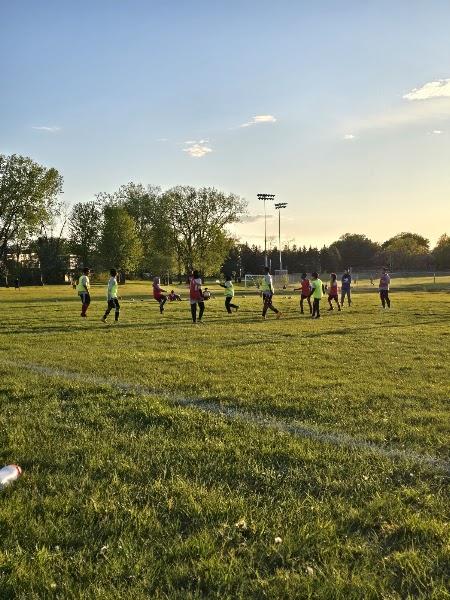
Pioneer Park Bluff Overlook
★ Reviews →Perched at approximately 340 feet above the river on Stillwater's limestone escarpment, Pioneer Park offers the most sweeping panoramic view of the St. Croix River valley available without a boat or a plane. From this vantage point the river stretches both north and south between forested bluffs, with the rolling hills of Wisconsin rising on the opposite bank — a landscape that has changed relatively little since the logging era, when rafts of white pine logs would stretch for miles across the water below, bound for the mills at the bluff's base. The limestone bedrock that makes this viewpoint possible is the same geological feature that defined Stillwater's strategic position as a river town: hard enough to anchor the mills and warehouses that lined the shore, towering enough to make the town visible from miles downstream. On clear autumn days, the hardwood forests of the opposite Wisconsin bluffs ignite in amber and red, and the river below mirrors the sky in a way that explains why early Ojibwe called the St. Croix a holy river.
~30 min📍 See location
🌙
Evening
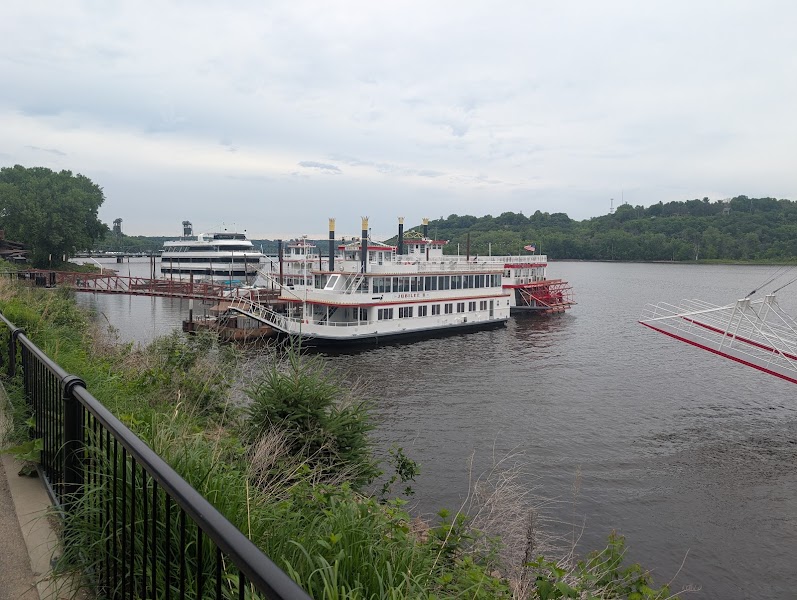
St. Croix Riverboat — Stillwater
★ Reviews →Operating seasonally from May through October, the Andiamo dinner cruise boat and the public water taxi departing from Stillwater's riverfront offer a perspective on the St. Croix River valley that no bluff overlook can match. At Stillwater the river broadens into one of its widest and most scenic stretches, the channel flanked by forested limestone bluffs that rise steeply on both the Minnesota and Wisconsin shores — a landscape so intact that Congress designated the St. Croix one of America's original eight Wild and Scenic Rivers in 1968. Bald eagles nest in the river-bottom cottonwoods and can often be spotted hunting from the dead snags that lean over the water, a reminder that this river corridor, despite its proximity to the Twin Cities, remains one of the wildest reaches of the upper Mississippi watershed. The water taxi crosses to Houlton, Wisconsin — a short crossing with an outsized sense of occasion, the kind of simple river passage that has connected these two shores since the logging rafts first ran through in the 1840s.
~1 hr📍 See location
🚗
Drive
Stillwater, MN → Minneapolis, MN
30 min
← All Minneapolis trips
More getaways from Minneapolis
Taylors Falls: Glacial Potholes, Basalt Climbing & the St. Croix Dalles — Day trip🥾North Shore Waterfalls: Gooseberry Falls, Split Rock & Tettegouche — Weekend🥾Superior Hiking Trail 3-Day: Waterfalls, Bluffs & George Crosby Manitou — Long weekend🥾Duluth: The Lift Bridge, Glensheen Mansion & the Great Lakes — Day trip🏛️Stillwater & the St. Croix Valley: Antiques, Potholes & a River Bluff — Weekend🏛️Great River Road: Red Wing, Winona & La Crosse Bluff Towns — Long weekend🏛️Stillwater Slow Day: Antiques, Lowell Inn & Sunset on the St. Croix — Day trip🌿Stillwater Weekend: River Town, Sculpture Park & the St. Croix — Weekend🌿
© 2026 theweekendgetaways.com · All itineraries are original content. Terms
Plan your own escapeExplore more trips →