🏛️ CulturalDay trip · from Minneapolis, MN
Duluth: The Lift Bridge, Glensheen Mansion & the Great Lakes
Duluth occupies one of the most dramatic urban settings in North America, built across a steep hillside at the westernmost point of the Great Lakes where Lake Superior — a freshwater sea 350 miles long — meets the shipping canal that connects it to the world's trade routes. The Canal Park Aerial Lift Bridge has raised its 138-foot span hundreds of times each season since 1929, standing aside as 1,000-foot iron ore carriers slip through to the harbor, while a few miles up the lakeshore the 38-room Glensheen Mansion preserves the Edwardian splendor of a mining fortune built on the Mesabi Iron Range.
Day 1 — Duluth, MN
Day 1 — Duluth, MN
Day 1 — Duluth, MN
🚗 5 hr driving📍 6 stops
🌅
Morning
🚗
Drive
Minneapolis, MN → Canal Park — Duluth
2 hr 30 min
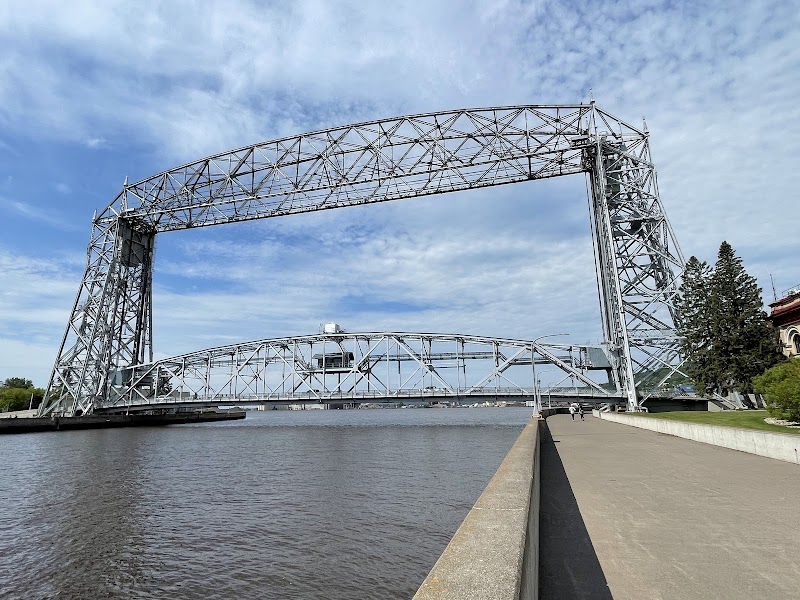
Canal Park Aerial Lift Bridge
★ Reviews →Originally constructed in 1905 as a transporter bridge — a suspended gondola that ferried passengers across the canal — the Duluth Aerial Lift Bridge was redesigned and rebuilt in its current vertical-lift configuration in 1929, a feat of engineering that allowed the growing fleet of Great Lakes freighters to pass beneath without restriction. When fully raised, the bridge deck clears 138 feet above the water, sufficient for the largest vessels on the Great Lakes — including the self-unloading bulk carriers that stretch nearly 1,000 feet from bow to stern and carry iron ore pellets from the Mesabi Range to steel mills in Indiana and Ohio. The bridge raises and lowers hundreds of times each navigation season, from April through January, as grain from the Dakotas, coal bound for power plants, and limestone quarried from the lake's southern shore move through the canal into the harbor and on through the St. Lawrence Seaway to the Atlantic. The approach to the bridge through Canal Park is lined with the Lakewalk, a paved promenade along the black-pebble shore of Lake Superior where the waves — genuinely oceanic in scale during autumn storms — crash against the breakwall with enough force to send spray across the walkway. Few bridges in the Midwest are photographed more often: the combination of the bridge's Art Deco tower geometry, the massive ships passing beneath, and the backdrop of Lake Superior's cold blue horizon makes it one of the most visually arresting industrial monuments in the country.
~1 hr📍 See location
🍽️
Lunch
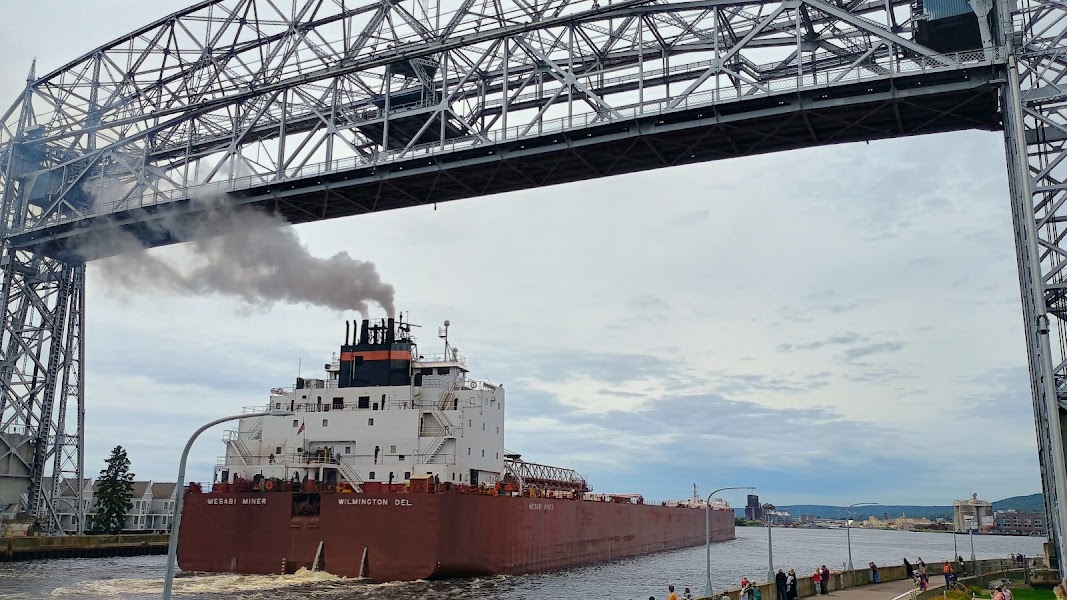
Lake Superior Maritime Visitor Center
★ Reviews →Operated by the U.S. Army Corps of Engineers and free to the public, the Lake Superior Maritime Visitor Center sits at the entrance to the Duluth Ship Canal with direct sightlines to the passing freighters — making it simultaneously a museum and a live observation deck for the working harbor. The centerpiece exhibit chronicles the sinking of the Edmund Fitzgerald on November 10, 1975, when the 729-foot ore carrier went down in a Lake Superior storm with all 29 crew members, becoming the largest vessel ever lost on the Great Lakes and the subject of Gordon Lightfoot's famous ballad; recovered artifacts from the wreck and detailed accounts of the storm give the disaster human weight that no documentary can fully replicate. Beyond the Fitzgerald, the museum's ship models and navigational charts trace the full evolution of Great Lakes cargo vessels — from the small wooden schooners of the 1840s that first carried copper from the Keweenaw Peninsula to the current generation of 1,000-foot self-unloaders whose diesel engines can be heard from the Canal Park shoreline before the ship itself comes into view. The museum's positioning at the canal mouth means that on a busy shipping day, visitors can watch vessels they have just studied in model form pass within yards of the building's windows.
~1.5 hrs📍 See location
🍽️ Lunch~1 hr
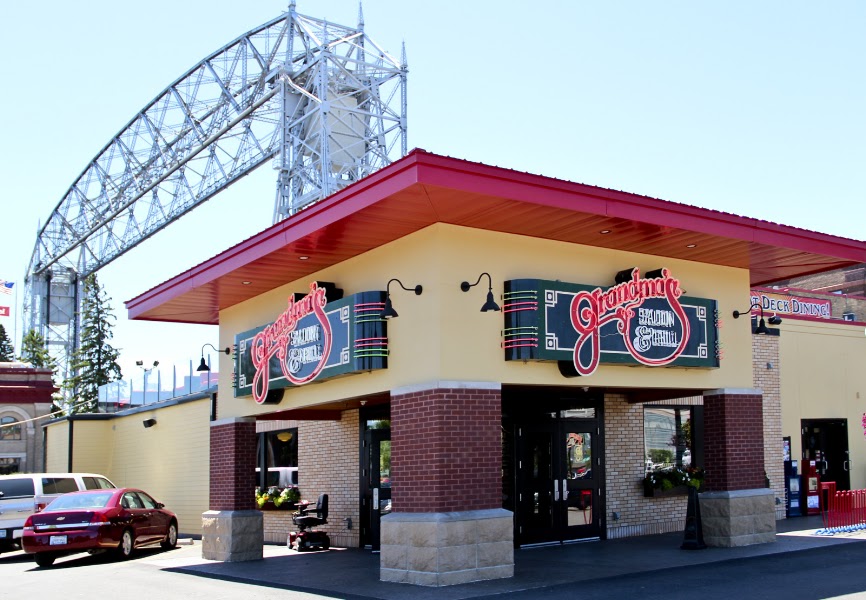
Grandma's Saloon & Grill — Canal Park
Grandma's has anchored Canal Park since 1976, making it one of the oldest continuously operating restaurants in the district and a Duluth institution that visitors and locals return to across generations. The menu centers on the dishes that built its reputation: the signature Grandma's Pasta — a rich, slightly spicy tomato-cream preparation that has barely changed since the Carter administration — and the Friday perch fish fry that draws a loyal crowd from across the Twin Ports. The downstairs bar is a shrine to Grandma's Marathon, the annual June race that follows the North Shore scenic highway from Two Harbors to Duluth and finishes steps from the restaurant's Lake Avenue entrance; hundreds of race photographs, bibs, and memorabilia items cover every surface, a tribute to the 18,000-runner event that has made Duluth one of the premier marathon destinations in the country. On busy shipping days, the bar's windows frame a view of the lift bridge that rivals any seat in the district.
3 options · tap to switch
☀️
Afternoon
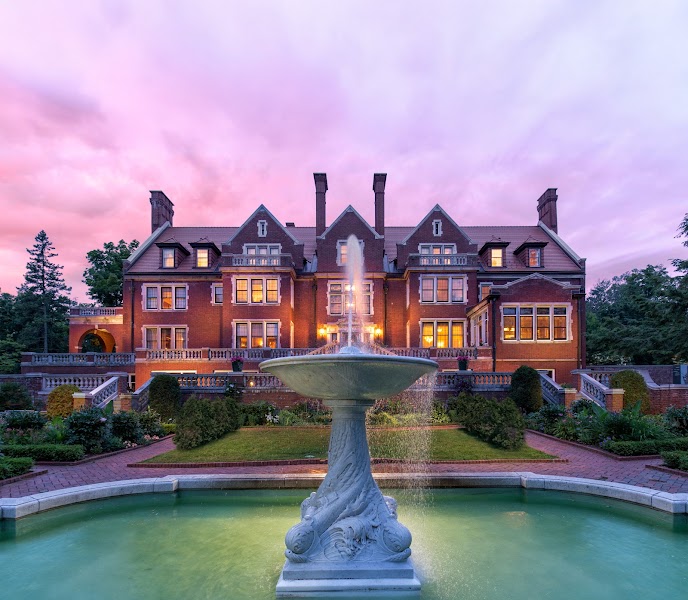
Glensheen Mansion
★ Reviews →Built between 1905 and 1908 for Chester Adgate Congdon — a mining attorney from Syracuse who came to Minnesota in the 1880s and built one of the largest personal fortunes in the state through legal work and equity stakes in the Mesabi Iron Range iron ore discoveries — Glensheen is the most intact and most significant Edwardian estate in Minnesota. The 38-room Jacobean Revival mansion sits on 7.7 acres of Lake Superior shoreline in Duluth's Congdon neighborhood, its formal gardens, carriage house, stable complex, and boat house all surviving in a state of remarkable completeness. Guided tours move through the period-furnished formal rooms — the dining room set for a dinner party that seems to have been interrupted an hour ago, the library with its original Congdon books still on the shelves, the servants' hall that documents the below-stairs world that made the above-stairs grandeur possible — and out through the grounds to the lakefront, where Superior spreads to the horizon in a view that Chester Congdon paid handsomely to secure. The estate's second chapter is equally gripping: in June 1977, Elisabeth Congdon — Chester's daughter, then 83 and bedridden — and her night nurse were murdered in the mansion; the subsequent investigation and trial of Elisabeth's son-in-law Roger Caldwell became one of the most-followed criminal cases in Minnesota history, drawing national press coverage and raising questions about wealth, inheritance, and justice that reverberate through the guided tour to this day. The University of Minnesota, which inherited the estate, operates it as a historic house museum with seasonal evening ghost tours that approach the 1977 events from a different angle.
~1.5 hrs📍 See location
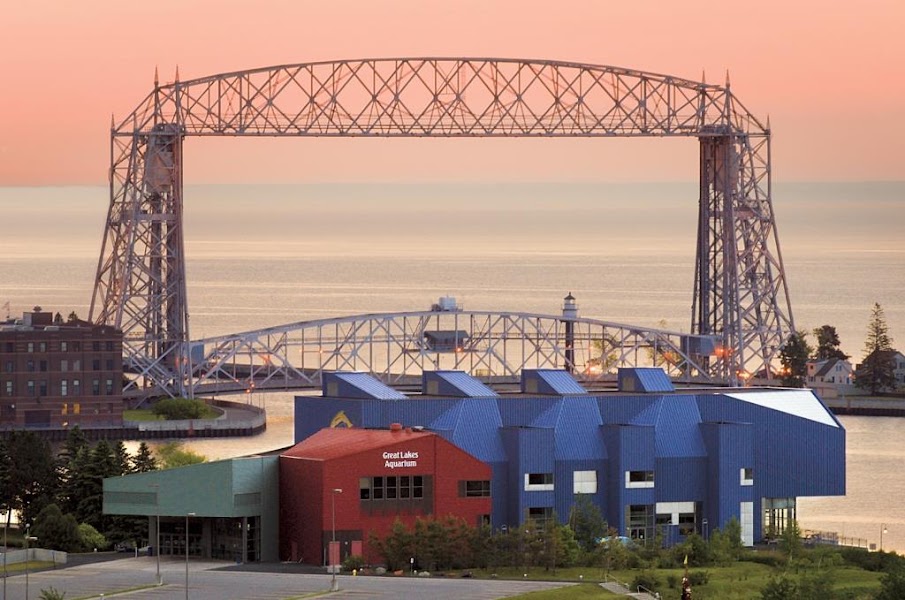
Great Lakes Aquarium
★ Reviews →Opened in 2000 on the Duluth waterfront at the mouth of the St. Louis River estuary — where one of the largest tributaries of the Great Lakes empties into the western harbor — the Great Lakes Aquarium holds the distinction of being the only all-freshwater aquarium in the United States. The building's position at the estuary is ecologically deliberate: this confluence of river and lake represents one of the most complex and threatened freshwater ecosystems in North America, and the aquarium's exhibits document both its biological richness and the invasive species crisis that has transformed it since the 1800s. Lake sturgeon — ancient, slow-growing fish that can live more than 100 years and reach six feet in length — share tank space with lake trout, walleye, and northern pike in exhibits that give visitors a rare close-up look at species that are abundant in Minnesota's lakes but rarely seen outside of fishing photographs. The touch tank holds live crayfish, freshwater mussels, and aquatic invertebrates, and the invasive species exhibit explains how sea lamprey, zebra mussels, and round gobies moved through the St. Lawrence Seaway to colonize the Great Lakes — an ecological history inseparable from the shipping commerce that the Lift Bridge was built to facilitate.
~2 hrs📍 See location
🌙
Evening
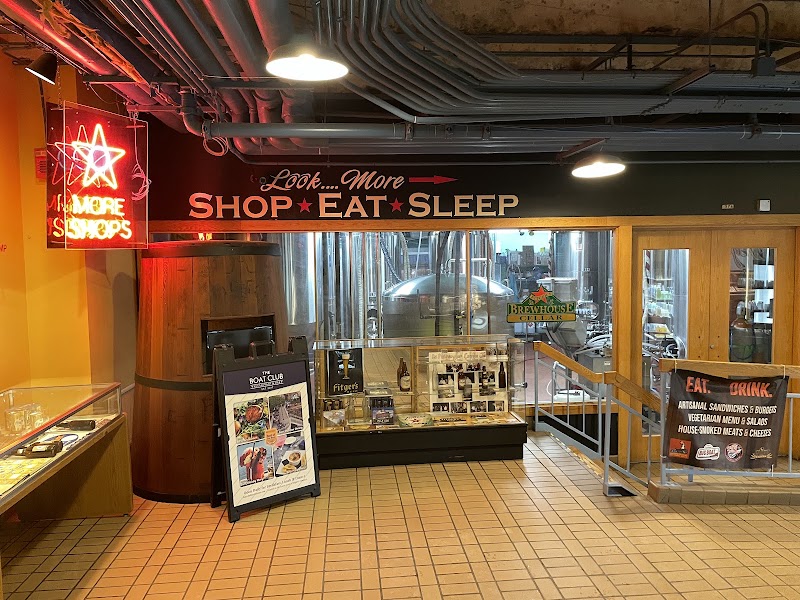
Fitger's Brewery Complex
★ Reviews →The Augustus Fitger Brewing Company began producing lager on the shores of Lake Superior in 1857 under a succession of owners, eventually becoming the largest brewery in Minnesota outside of Minneapolis and St. Paul — its red-brick complex spreading across Superior Street in a sprawl of interconnected Victorian industrial buildings whose original copper kettles, lagering cellars, and cooling towers tell the history of American brewing in physical form. Fitger's closed in 1972 after 115 years of operation, a victim of consolidation in the national beer industry, but the complex was saved from demolition in the 1980s and converted into one of the most successful adaptive reuse projects in the upper Midwest: a hotel, restaurants, shops, and the Fitger's Brewhouse occupy the original brewery buildings, with the old lagering caves beneath the building partially restored and visible on informal tours. The Brewhouse continues the brewing tradition that Fitger began, producing house lagers and ales in tanks installed in spaces where the original 19th-century brewing equipment once stood, and the building's location along Superior Street — high above the harbor with views back toward the lake — captures the same commanding position that Augustus Fitger chose when he sited his brewery here more than 160 years ago.
~1 hr📍 See location
🚗
Drive
Duluth, MN → Minneapolis, MN
2 hr 30 min
← All Minneapolis trips
More getaways from Minneapolis
Taylors Falls: Glacial Potholes, Basalt Climbing & the St. Croix Dalles — Day trip🥾North Shore Waterfalls: Gooseberry Falls, Split Rock & Tettegouche — Weekend🥾Superior Hiking Trail 3-Day: Waterfalls, Bluffs & George Crosby Manitou — Long weekend🥾Stillwater: Minnesota's Birthplace & the Antique Capital of the Midwest — Day trip🏛️Stillwater & the St. Croix Valley: Antiques, Potholes & a River Bluff — Weekend🏛️Great River Road: Red Wing, Winona & La Crosse Bluff Towns — Long weekend🏛️Stillwater Slow Day: Antiques, Lowell Inn & Sunset on the St. Croix — Day trip🌿Stillwater Weekend: River Town, Sculpture Park & the St. Croix — Weekend🌿
© 2026 theweekendgetaways.com · All itineraries are original content. Terms
Plan your own escapeExplore more trips →