🌿 RelaxedLong weekend · from Minneapolis, MN
New Ulm, Mankato & Pipestone: German Heritage, Dakota History & Sacred Stone
A three-day journey southwest through the Minnesota River valley moves through layers of history that rarely appear in the same itinerary — from New Ulm's improbably intact 19th-century German immigrant culture, its century-and-a-half-old family brewery, and a 102-foot bronze statue of a Germanic war chief, to Mankato's Reconciliation Park at the site of the largest mass execution in American history. The circuit ends at Pipestone National Monument, where Native American tribes have quarried sacred red catlinite from the southwestern Minnesota prairie for more than 3,000 years — a site that somehow survived European settlement intact and where tribal members still carry stone from the ground each summer.
Day 1 — New Ulm, MNDay 2 — Mankato, MNDay 3 — Pipestone, MN
Day 1 — New Ulm, MN
Day 1 — New Ulm, MN
🚗 1 hr 30 min driving📍 7 stops
🌅
Morning
🚗
Drive
Minneapolis, MN → New Ulm, MN
1 hr 30 min
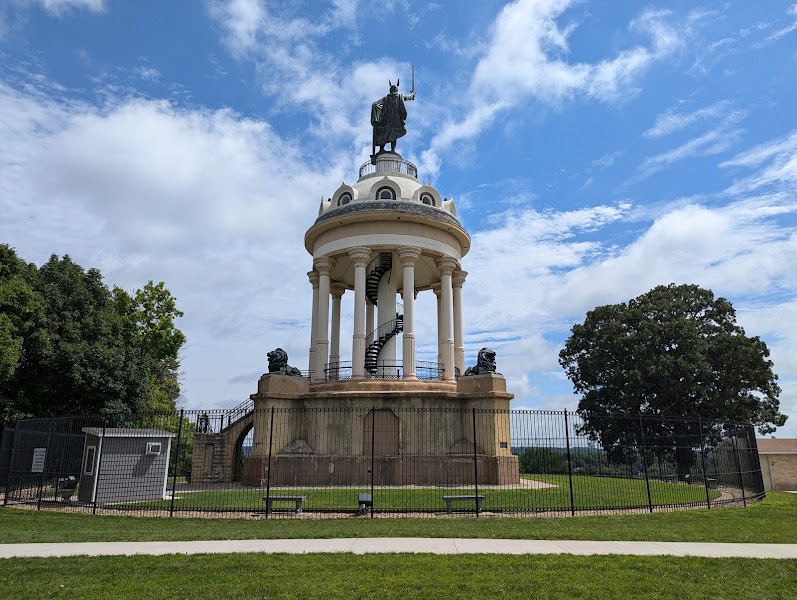
Hermann the German Monument
★ Reviews →The Hermann the German monument is a 102-foot bronze statue of Arminius — the Germanic chieftain who defeated three Roman legions in the Teutoburg Forest in 9 AD — erected atop a bluff at the edge of New Ulm overlooking the Minnesota River valley. The statue was constructed by the Sons of Hermann fraternal organization and dedicated in 1897; it is one of the largest bronze statues in the United States and remains the defining landmark of New Ulm, a city founded in 1854 by the German Land Association and the Turner Society of Cincinnati. The view from the monument's base takes in the Minnesota River bottomland below and the surrounding prairie horizon stretching south toward the Iowa border.
~1 hr📍 See location
🍽️
Lunch
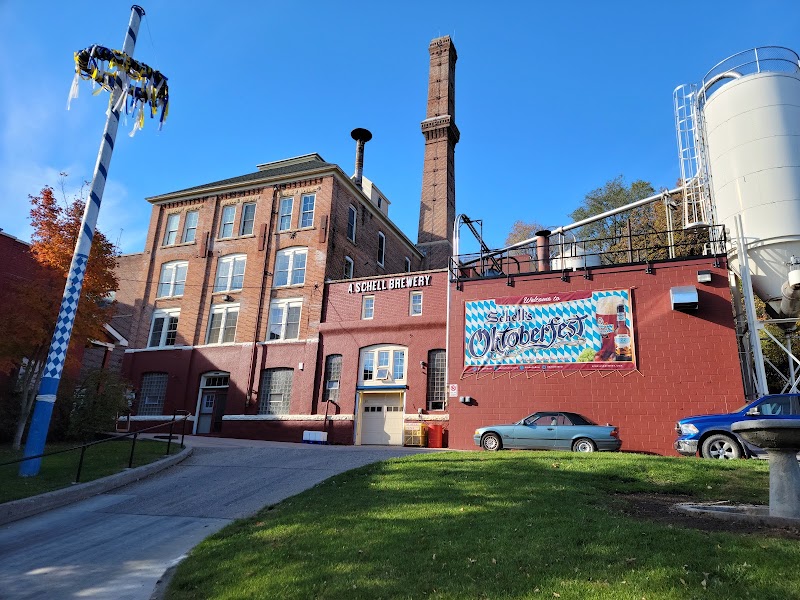
August Schell Brewery
★ Reviews →August Schell founded his brewery in New Ulm in 1860 — it survived the Dakota War of 1862 because Schell and his wife had maintained good relations with the Dakota people, who chose not to burn it when attacking the town. Today Schell's Brewery is the second-oldest family-owned brewery in the United States, still operated by the Marti family, descendants of August Schell through six generations. The brewery grounds include a deer park, formal gardens planted by August Schell's wife Theresa, a museum of 19th-century brewing equipment, and tours of the production facility; Schell's produces both traditional German-style lagers including Firebrick and Deer Brand and the Grain Belt brand, which Schell's rescued from closure in 2002.
~1.5 hrs📍 See location
🍽️ Lunch~1 hr
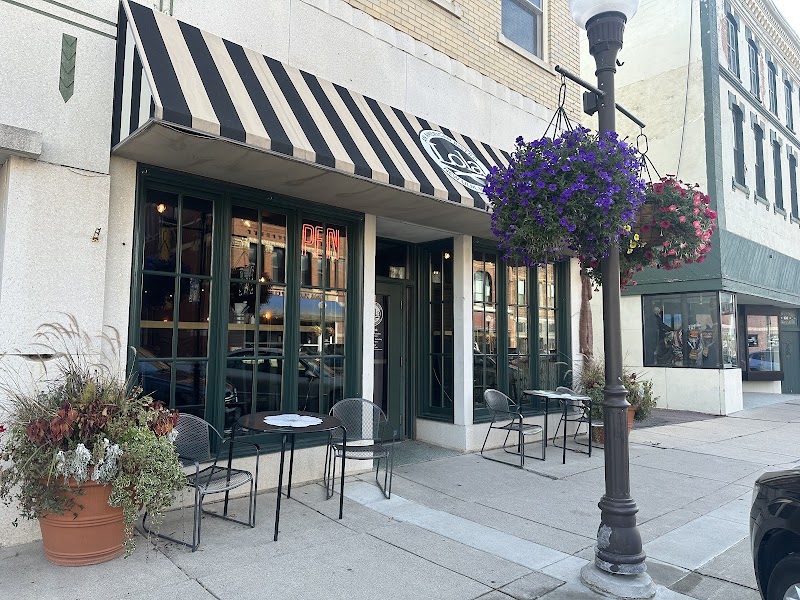
Lola's Larkspur Market — New Ulm
The best farm-to-table lunch in New Ulm — sandwiches, soups, and charcuterie made from Minnesota producers in a restored downtown commercial building. A modern counterpoint to the city's deep German heritage dining tradition, using the same local ingredients that have always sustained this stretch of the Minnesota River valley.
3 options · tap to switch
☀️
Afternoon
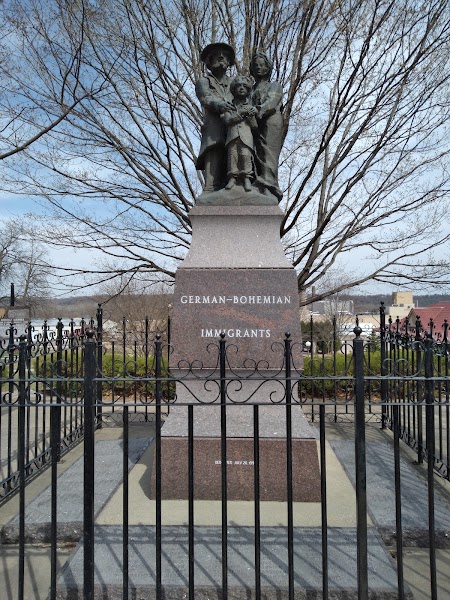
New Ulm German Heritage Walking District
★ Reviews →New Ulm was settled in 1854 by German intellectuals and workers from the Turner Society of Cincinnati — freethinkers who sought to establish a utopian German community in Minnesota. The original 1860s and 1880s commercial buildings on German-named streets retain their Central European scale and architectural character; the Glockenspiel on Fourth North Street is a 45-bell carillon housed in a 45-foot clock tower that performs three times daily at noon, 3pm, and 5pm with carved figures depicting New Ulm's history. The Brown County Historical Museum documents the 1862 Dakota War, during which New Ulm was twice attacked and partially burned, and the community's extraordinary resilience in rebuilding.
~1.5 hrs📍 See location
Flandrau State Park — New Ulm
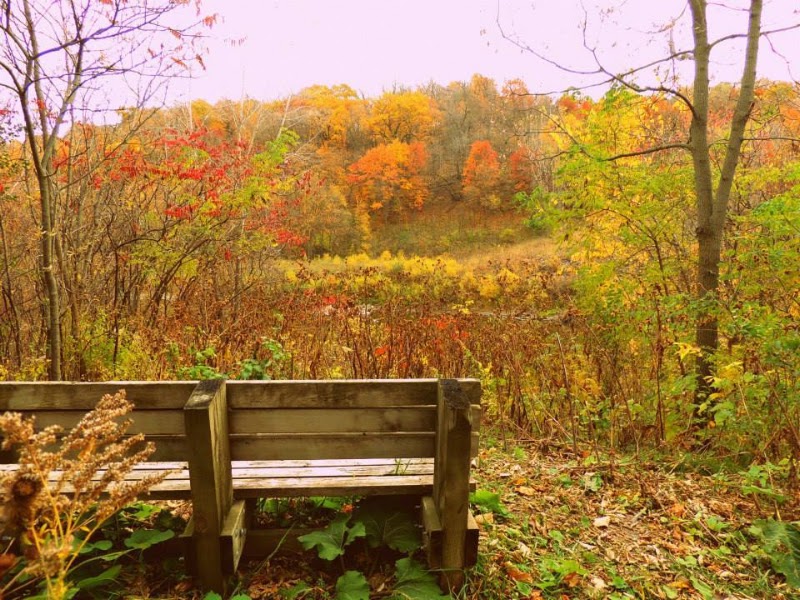
★ Reviews →Flandrau State Park on the Cottonwood River at the edge of New Ulm offers swimming, hiking, and camping within walking distance of the city's historic district. The park's sandstone bluffs above the Cottonwood River are a remnant of the ancient glacial terrain that once surrounded the Minnesota River valley; the swimming pond is spring-fed and one of the more pleasant park swimming areas in southern Minnesota, and the short river trail through the valley bottom connects the park to the pedestrian bridge at the edge of the New Ulm city park system.
~2 hrs📍 See location
🌙
Evening
🍽️ Dinner~1 hr
Veigel's Kaiserhoff — New Ulm
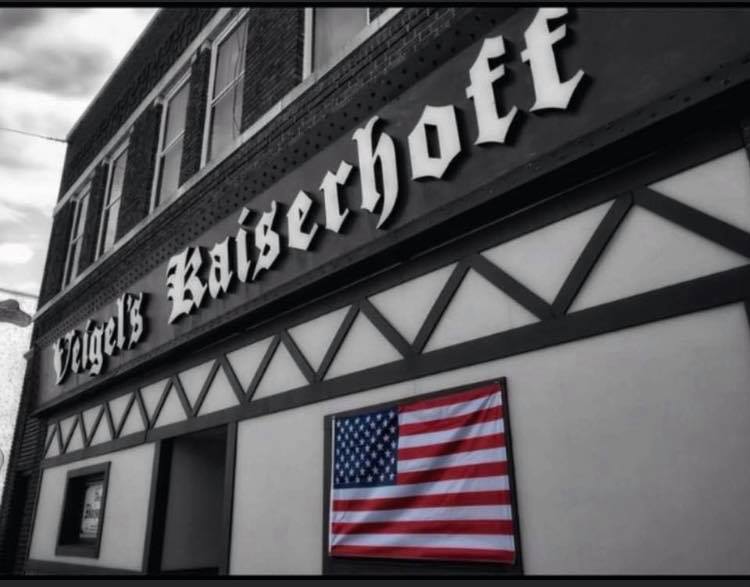
New Ulm's German heritage institution since 1938 — Kaiserhoff serves sauerbraten, sauerkraut, bratwurst, and German-style potato salad in a dining room that has barely changed in 80 years. The Schell's beer on tap comes from two miles away; the most complete German-American supper club experience available within two hours of Minneapolis.
2 options · tap to switch
🛏️
Deutsche Strasse Bed & Breakfast
An 1884 Victorian home in New Ulm's historic district with five antique-furnished rooms and a full German-style breakfast; the closest lodging to both the Hermann monument and Schell's Brewery. Named for the German street tradition — the proprietors speak German and provide historical context for the city's remarkable preservation of 19th-century German-American culture.
Day 2 — Mankato, MN
Day 2 — Mankato, MN
🚗 40 min driving📍 7 stops
🌅
Morning
🚗
Drive
New Ulm, MN → Mankato, MN
40 min
Reconciliation Park — Mankato
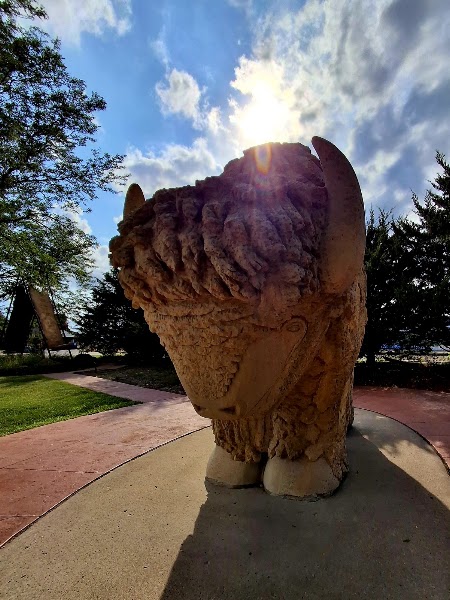
★ Reviews →Reconciliation Park in downtown Mankato commemorates the largest mass execution in United States history — on December 26, 1862, 38 Dakota men were hanged simultaneously in the town square following the Dakota War of 1862. President Lincoln reviewed the case of 303 condemned men and commuted all but 38 sentences; the execution attracted thousands of spectators and was reported in newspapers across the world. The park's central sculpture — Wokiksuye (Remembrance) by artist Jeffie Whipple — depicts a Dakota woman in mourning. The park serves as a site of ongoing reconciliation between Dakota people and the state of Minnesota, including annual December 26 ceremonies that draw Dakota community members from across the region.
~45 min📍 See location
🍽️
Lunch
Minneopa State Park — Twin Waterfalls
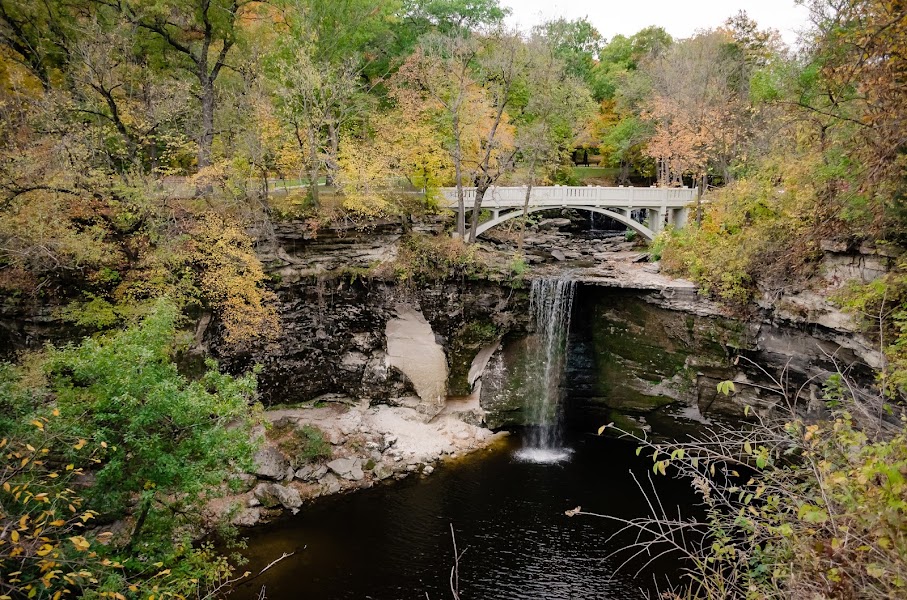
★ Reviews →Minneopa State Park contains the largest and most accessible waterfall in southern Minnesota — Minneopa Falls drops in two stages over Sioux quartzite outcrops, with a viewing platform between the two falls; Minneopa is the Dakota word for water falling twice. The park also contains a restored 1862 stone grist mill and the Seppmann Windmill, a 40-foot stone Dutch-style windmill built in 1864 that is the best-preserved stone windmill in Minnesota. The park's bison range is home to a small herd of American bison that can be viewed from a 3-mile auto tour route through the native grassland.
~2 hrs📍 See location
🍽️ Lunch~45 min
The Soo Line Bar & Eatery — Mankato
A locally beloved Mankato dining institution in the historic downtown district — the walleye sandwich, the wild rice soup, and the Minnesota-sourced burger are the kitchen standards. The bar's beer selection includes Schell's on tap, an appropriate tribute to the New Ulm brewery 40 miles west that the previous day's circuit began at.
3 options · tap to switch
☀️
Afternoon
📍
Blue Earth River Valley — Mankato
★ Reviews →The Blue Earth River meets the Minnesota River at Mankato — the confluence that gave the area strategic importance to both the Dakota people and to 19th-century traders moving through the river system. The Minneopa State Park bison range along the Blue Earth River valley floor provides access to the native prairie and bison herd in a landscape that closely resembles the pre-European grassland ecosystem of southern Minnesota. The Blue Earth River corridor supports populations of sandhill cranes, white pelicans, and great blue herons during migration, and the valley's cottonwood forest provides shade along the river's meandering channel.
~1 hr📍 See location
Land of Memories Park — Mankato
★ Reviews →The city park on the Minnesota River in Mankato occupies the site of the 1862 Dakota internment camp where 1,700 Dakota women, children, and elderly were held in winter conditions following the Dakota War — conditions that killed an estimated 300 people before the survivors were removed to Dakota Territory in 1863. A granite marker identifies the camp site. The park also contains one of the finest river overlooks in the Minnesota River valley, looking upstream toward New Ulm across the wide floodplain that the river carved through the glacial lake sediments of ancient Lake Agassiz.
~1.5 hrs📍 See location
🌙
Evening
🍽️ Dinner~1 hr
MaKe Restaurant — Mankato
The most ambitious kitchen in Mankato — seasonal Upper Midwest cuisine including game, freshwater fish, and locally sourced produce in a renovated downtown Mankato commercial building. The wild game charcuterie board and the walleye are the specialties, and the cocktail program reflects a serious engagement with Minnesota's growing spirits industry.
2 options · tap to switch
🛏️
Courtyard by Marriott Mankato
The most convenient full-service hotel in downtown Mankato, within walking distance of Reconciliation Park and the Mankato riverfront. A practical base for the western swing of the Minnesota River Valley circuit before the drive to Pipestone on Day 3.
Day 3 — Pipestone, MN
Day 3 — Pipestone, MN
🚗 5 hr driving📍 6 stops
🌅
Morning
🚗
Drive
Mankato, MN → Pipestone, MN
2 hr
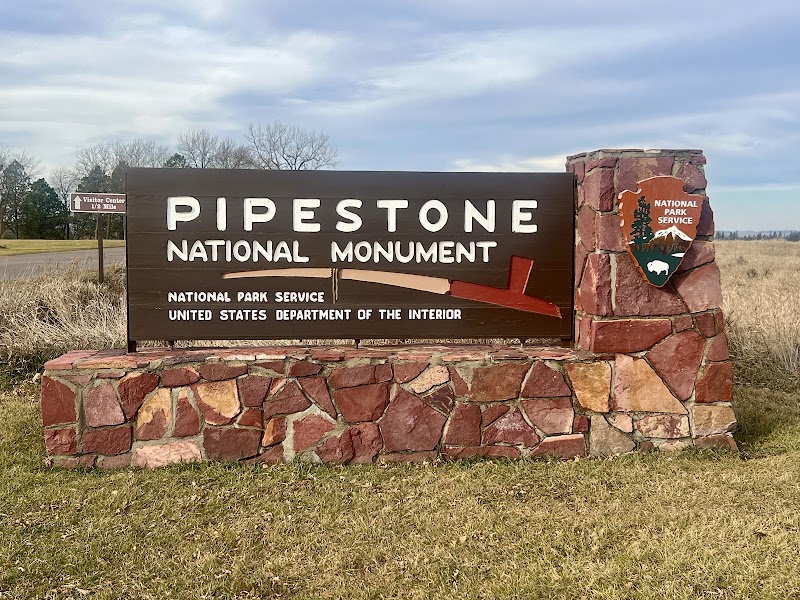
Pipestone National Monument — Quarry Circle Trail
★ Reviews →Pipestone National Monument protects one of the most sacred sites in Native American culture — a deposit of red catlinite (pipestone) in the southwestern Minnesota prairie that has been actively quarried by Native American tribes for more than 3,000 years. Catlinite is a soft red stone formed from ancient mudstone compressed by glacial overburden that can be carved with stone tools and hardens when exposed to air; the carved stone pipes — chanunpas — made from Pipestone are central objects in Plains Indian ceremonial life. The site was designated a national monument in 1937 and the active quarrying rights are legally reserved exclusively to Native American tribes; Dakota, Lakota, Ojibwe, and other tribal members continue to quarry the stone each summer in an unbroken chain of use extending back beyond recorded history.
~1.5 hrs📍 See location
🍽️
Lunch
Continue at Pipestone Visitor Center & Native American Demonstrations
★ Reviews →Use the afternoon to explore a different side of Pipestone National Monument — Quarry Circle Trail — there's more to discover beyond the morning highlights.
~1.5 hrs📍 See location
🍽️ Lunch~45 min
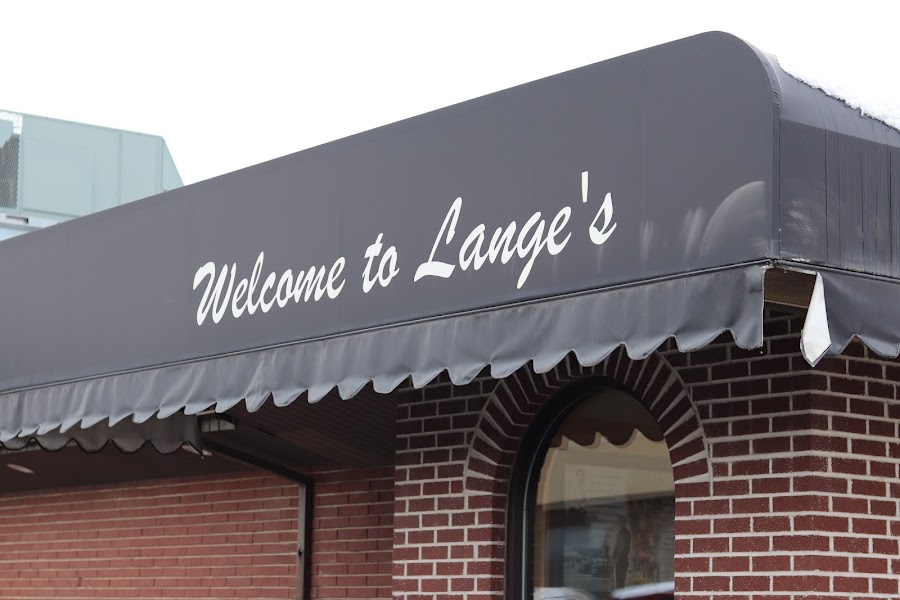
Lange's Café — Pipestone
Lange's Café on Hiawatha Avenue in Pipestone has been open 24 hours a day since 1956 — a genuinely old-fashioned small-town café serving breakfast at any hour, homemade pie, and the daily special that reflects 70 years of continuous southwestern Minnesota café cooking. The pie selection changes daily and includes fruit pies made from local ingredients; the lemon meringue and the seasonal berry pies are the standards.
2 options · tap to switch
☀️
Afternoon
Continue at Pipestone Historic District — Sioux Quartzite Architecture
★ Reviews →Use the afternoon to explore a different side of Pipestone National Monument — Quarry Circle Trail — there's more to discover beyond the morning highlights.
~1.5 hrs📍 See location
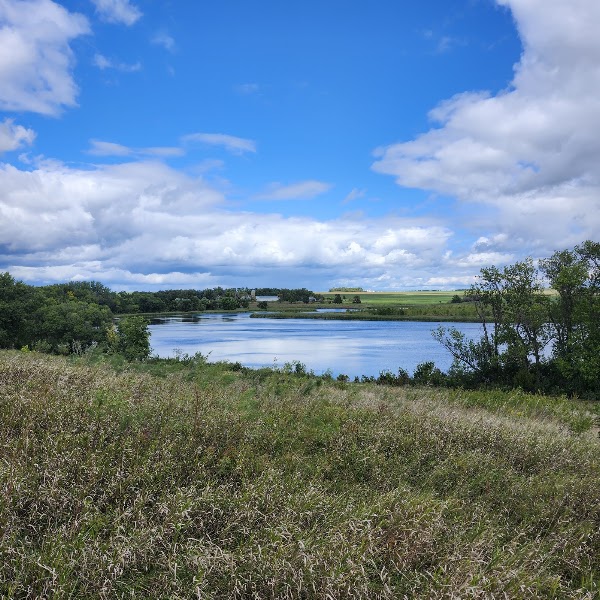
Split Rock Creek State Park — Pipestone
★ Reviews →Split Rock Creek State Park south of Pipestone sits on the edge of the Buffalo Ridge — the highest ground in Minnesota — in a landscape of native prairie grassland and Sioux quartzite outcrops. The park's lake is unusual for the southwestern Minnesota prairie and provides swimming, fishing, and camping; the surrounding tallgrass prairie remnants support eastern meadowlarks, bobolinks, and upland sandpipers in the grass above the lake. At sunset the pink Sioux quartzite outcrops take on the same warm color as the catlinite in the national monument two miles north.
~2 hrs📍 See location
🌙
Evening
📍
Historic Calumet Inn Restaurant — Pipestone
★ Reviews →The dining room in the 1888 Calumet Hotel is the finest dinner option in Pipestone — the quartzite-walled building on Hiawatha Avenue serves steaks, walleye, and Minnesota comfort food in a Victorian hotel dining room that is among the most architecturally distinctive small-city restaurants in Minnesota. The building's Sioux quartzite walls match the color of the catlinite from the national monument two miles away, and the dining room's pressed-tin ceiling and original wainscoting have survived intact from the hotel's 1888 opening.
🚗
Drive
Pipestone, MN → Minneapolis, MN
3 hr
← All Minneapolis trips
More getaways from Minneapolis
Taylors Falls: Glacial Potholes, Basalt Climbing & the St. Croix Dalles — Day trip🥾North Shore Waterfalls: Gooseberry Falls, Split Rock & Tettegouche — Weekend🥾Superior Hiking Trail 3-Day: Waterfalls, Bluffs & George Crosby Manitou — Long weekend🥾Stillwater: Minnesota's Birthplace & the Antique Capital of the Midwest — Day trip🏛️Stillwater & the St. Croix Valley: Antiques, Potholes & a River Bluff — Weekend🏛️Great River Road: Red Wing, Winona & La Crosse Bluff Towns — Long weekend🏛️Stillwater Slow Day: Antiques, Lowell Inn & Sunset on the St. Croix — Day trip🌿Stillwater Weekend: River Town, Sculpture Park & the St. Croix — Weekend🌿
© 2026 theweekendgetaways.com · All itineraries are original content. Terms
Plan your own escapeExplore more trips →