🏛️ CulturalLong weekend · from Philadelphia, PA
Pennsylvania Dutch Country: Three Days Among Plain Communities, Colonial History & Artisan Traditions
Three days in Lancaster County allow a genuine immersion in one of America's most distinctive cultural landscapes — a region where Old Order Amish still farm with horses, where a 1732 German mystic founded the first communal settlement in North America, and where the Moravian Brethren built America's oldest continuously operating pretzel bakery in 1861. The pace here rewards slowness: farm roads where buggies outnumber cars, village squares surrounded by 18th-century limestone buildings, and market stalls where the food has been made by the same families for generations.
Day 1 — Bird-in-Hand & Kitchen Kettle Village, PADay 2 — Strasburg & Ephrata, PADay 3 — Lititz, PA
Day 1 — Bird-in-Hand, PA
Day 1 — Bird-in-Hand, PA
🚗 1 hr 10 min driving📍 8 stops
🌅
Morning
🚗
Drive
Philadelphia, PA → Bird-in-Hand, PA
1 hr 10 min
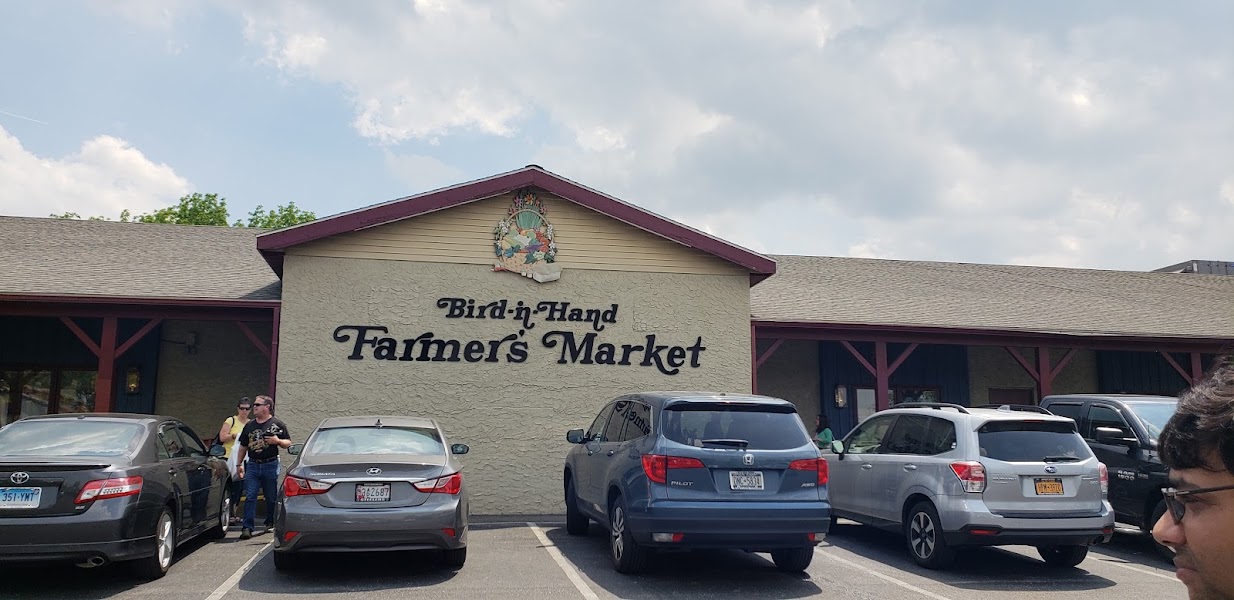
Bird-in-Hand Farmers Market
★ Reviews →Operating since 1945, this Amish-run market in the heart of Lancaster County brings together vendors whose families have sold from the same stalls for generations. Arrive early enough and you'll pull hand-twisted pretzels still warm from the oven from a paper bag, cut into shoofly pie made with Grandma's molasses recipe, and pick up Lebanon bologna — the air-dried, lightly smoked beef sausage unique to this county. The whoopie pies here are the size of your fist, the locally churned butter comes in molds stamped with sheaves of wheat, and the smell of baked goods mingles with the diesel hum of propane-powered refrigerators (electric lines being forbidden). A genuine working market, not a tourist replica.
~1 hr📍 See location
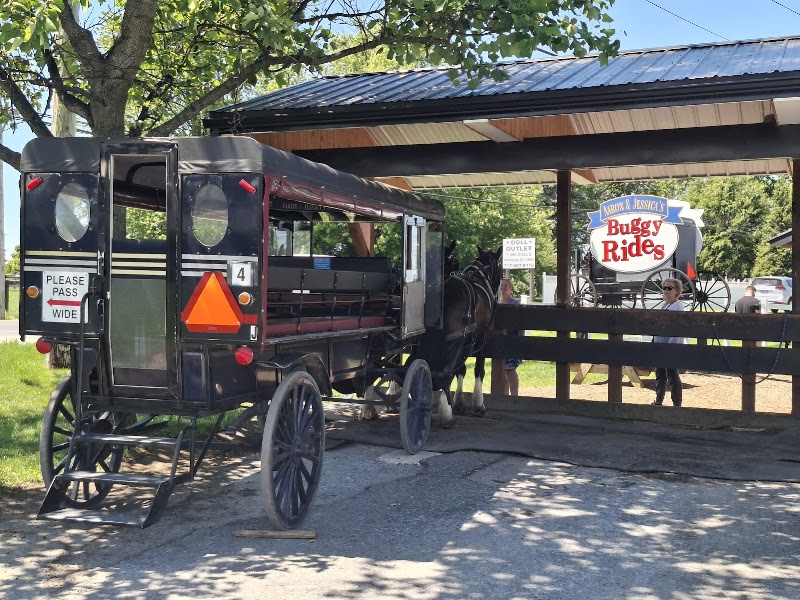
Old Philadelphia Pike (Route 340) Scenic Drive
★ Reviews →The 10-mile stretch of Old Philadelphia Pike running through Bird-in-Hand, Intercourse, and Paradise is the most concentrated tableau of Amish rural life accessible by road in North America. White-framed farmhouses sit without electric lines; hand-painted signs reading 'Eggs / Vegetables / Quilts' lean against fence posts; horse-drawn equipment cuts across fields still plowed in the traditional way. The road passes through three villages whose 18th-century character has been preserved less by heritage policy than by the community's deliberate rejection of modernity — the buildings look as they do because the people who occupy them chose to build no differently. Drive slowly; buggies share the lane and have the right of way.
~1 hr📍 See location
🍽️
Lunch
🍽️ Lunch~1 hr
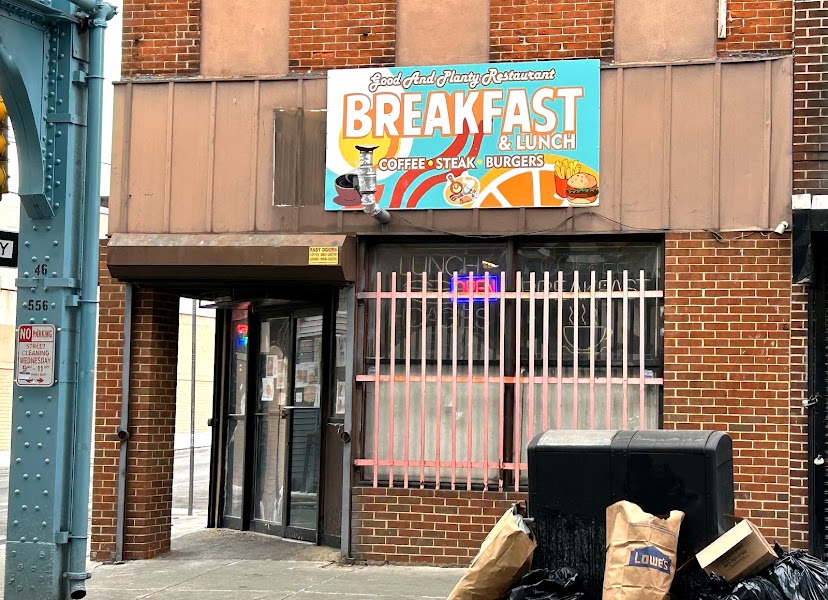
Good 'N Plenty Restaurant
Since 1969, Good 'N Plenty has been the defining Lancaster County dining experience — not for its location in a converted farmhouse in Smoketown, but for its format. Diners are seated at long communal tables and served family-style, with platters of chicken pot pie (the Lancaster version uses thick doughy noodles, not pastry), dried corn (a local preservation technique that concentrates the sweetness to an almost caramelized depth), chow-chow relish, apple butter, and ham passed continuously around the table. It is loud, generous, and utterly unreconstructed — the menu has barely changed in 50 years because the food that defined the Pennsylvania Dutch table in 1969 is exactly what it was in 1869.
4 options · tap to switch
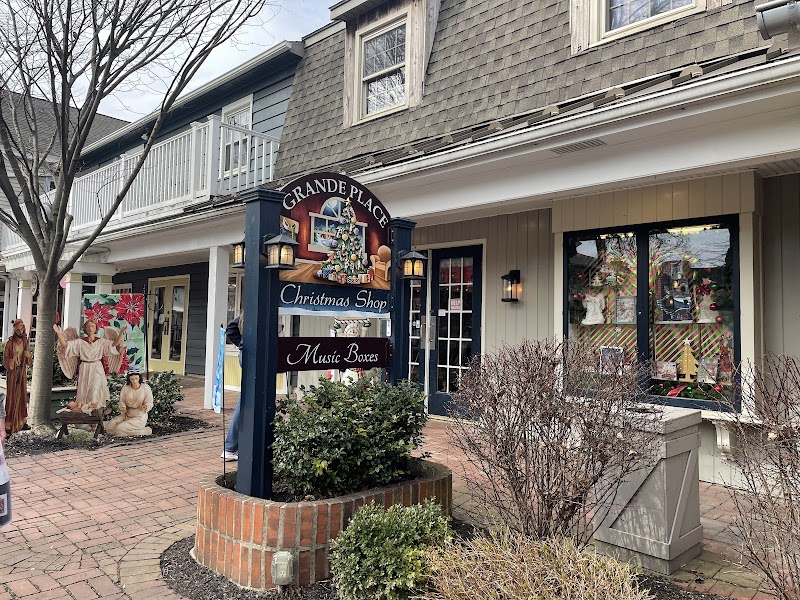
Kitchen Kettle Village
★ Reviews →A 40-shop complex in Intercourse built around the original Kitchen Kettle jam kitchen, where you can watch strawberry and elderberry preserves being stirred in open copper kettles over gas flames — the same process the Smucker family began in this village in 1954. Lapp Valley Farm maintains a small herd of Holstein cows pastured on the property; the fresh ice cream made on premises, rich with the morning's milk, is unlike anything that has traveled in a truck. The hex sign workshop in the village explains the symbolic vocabulary of Pennsylvania German barn art — the six-pointed stars, hearts, and birds that appear on barn doors throughout the county carry specific meanings within the folk tradition, though scholars debate whether those meanings were decorative or talismanic.
~1 hr📍 See location
☀️
Afternoon
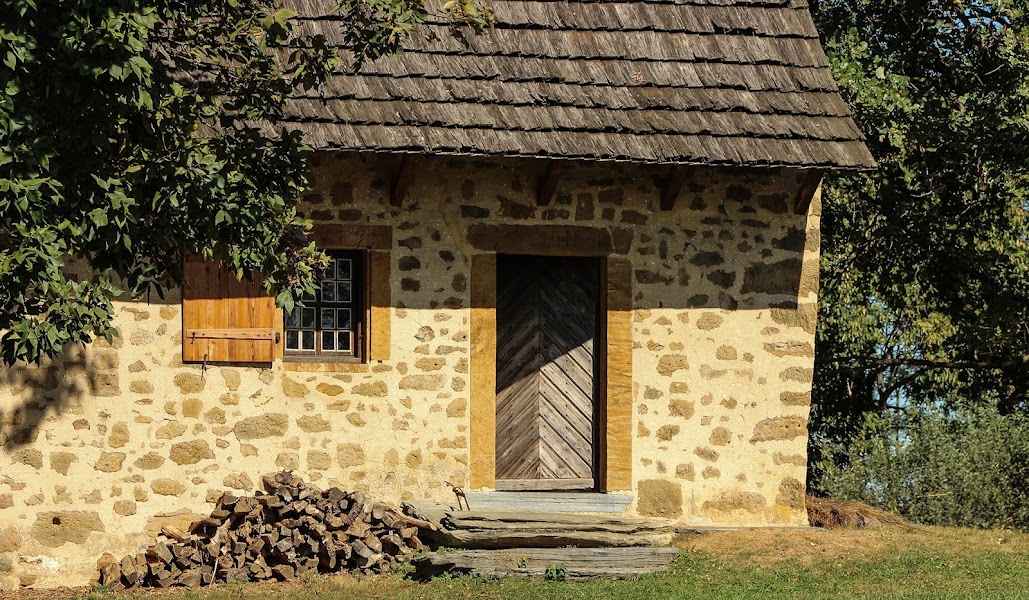
Hans Herr House
★ Reviews →Built in 1719 by Swiss Mennonite immigrants who had arrived in Pennsylvania only five years earlier, the Hans Herr House is the oldest surviving example of German medieval-style domestic architecture in North America. The steeply pitched stone roof, the massive central chimney, and the whitewashed interior reflect the Rhine Valley building tradition the congregation carried across the Atlantic — a form of architecture that had already been practiced in their home region for 400 years. The house served as both the Herr family home and the congregation's meetinghouse; Hans Herr himself was bishop of the community. The property also contains a 1719 reconstructed Mennonite meetinghouse and a working blacksmith shop. The contrast between the simplicity of the building and the sophistication of its construction technique reveals something essential about the people who built it.
~1.5 hrs📍 See location
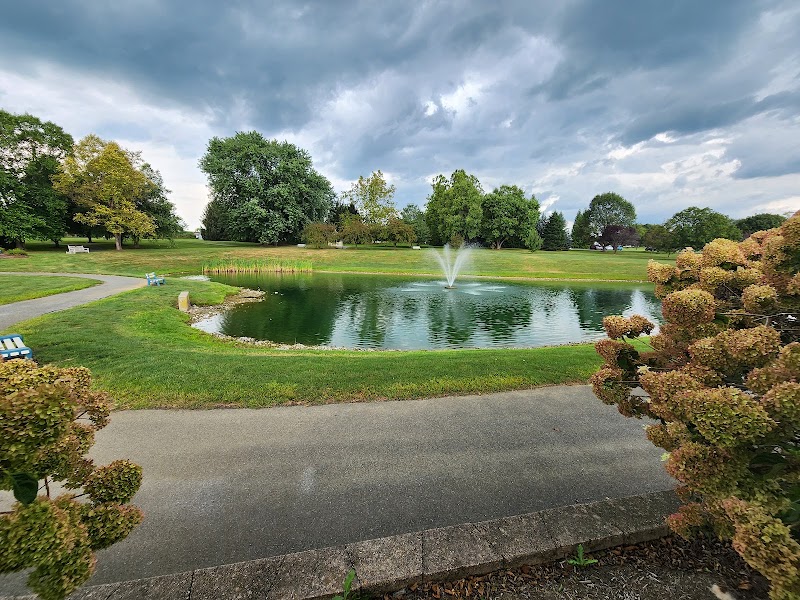
Intercourse Village Walking Tour
★ Reviews →The village of Intercourse — named for the crossroads intersection at its center, not for any prurient reason — is one of the best-preserved examples of an 18th-century Lancaster County village commercial core. The Old Country Store carries an extraordinary collection of antique Amish quilts, their geometric patterns (Double Wedding Ring, Log Cabin, Lone Star) assembled by hand from fabric remnants in the tradition of making beauty from scarcity. The Country Barn quilt gallery displays commissioned works alongside historical pieces; Village Pottery sells wheel-thrown stoneware by local Mennonite artisans. The village's buggies, hitching posts, and unpaved alley beside the general store give it the quality of a place where the calendar stopped and nobody noticed.
~1.5 hrs📍 See location
🌙
Evening
🍽️ Dinner~1 hr
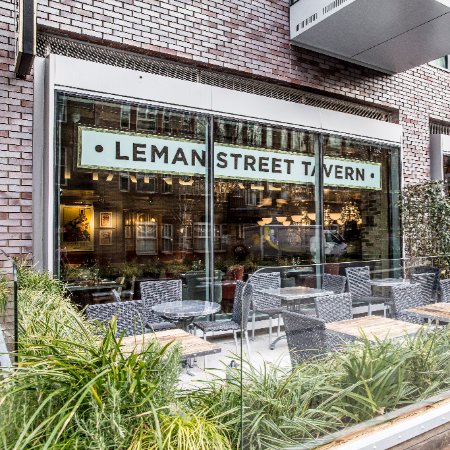
Lemon Street Tavern
A Lancaster City gastropub occupying a renovated 19th-century corner building on Lemon Street, serving Lancaster County farm-to-table cooking with a strong local beer list. The kitchen leans into the county's agricultural identity — local mushrooms, Lancaster Farm Fresh Cooperative greens, and Pennsylvania-raised meats anchor the seasonal menu. The bar pours from a rotating selection of Lancaster County craft breweries including Revere Brewing and Passenger Brewing. An ideal decompression after a day on country roads.
4 options · tap to switch
🛏️
Lancaster Arts Hotel
A converted 1874 tobacco warehouse in Lancaster City's Gallery Row arts district, with 63 rooms displaying rotating works by 70 regional artists and a ground-floor gallery open to the public. The Lancaster Arts Hotel positions itself at the intersection of the city's historic industrial character and its current arts revival — the exposed brick walls and timber ceilings of the original warehouse frame the contemporary art collection with genuine architectural contrast. Walking distance to Lancaster Central Market and the restaurant corridor on Prince Street.
Day 2 — Strasburg, PA
Day 2 — Strasburg, PA
🚗 45 min driving📍 8 stops
🌅
Morning
🚗
Drive
Lancaster, PA → Strasburg, PA
20 min
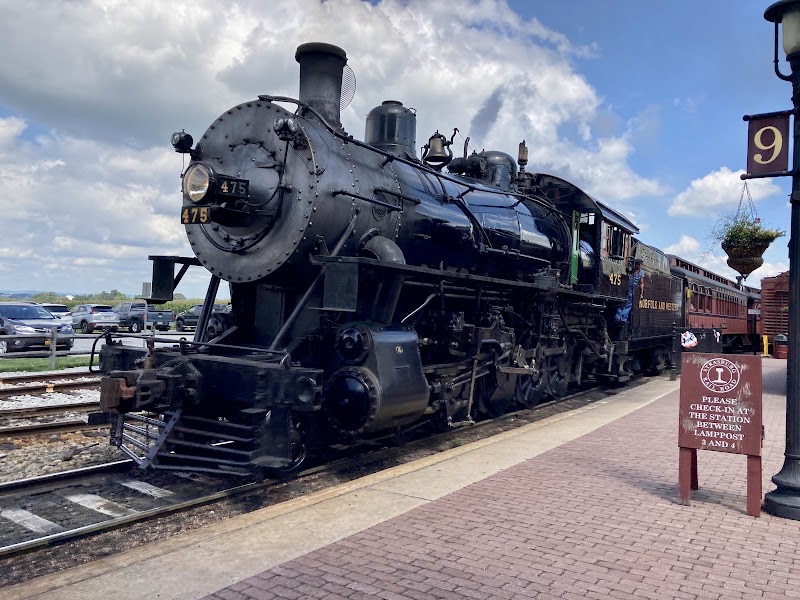
Strasburg Railroad
★ Reviews →Chartered in 1832, the Strasburg Rail Road holds the distinction of being the oldest short-line railroad in continuous operation in the United States — 193 years of uninterrupted service over the same 4.5-mile track through working Amish farmland. The locomotives that haul the open-window coaches were built between 1905 and 1924 and maintained in operating condition by the railroad's own shop crews; the coal-fired steam generates a pillar of white smoke visible across the valley from a mile away. The conductor still punches paper tickets by hand. The round trip through fields where Amish families continue to farm with horse-drawn equipment — occasionally stopping to wave at the passing train — produces an experience of doubled time: the railroad's 19th-century technology moving through a landscape that has also declined to modernize.
~1 hr📍 See location
Railroad Museum of Pennsylvania
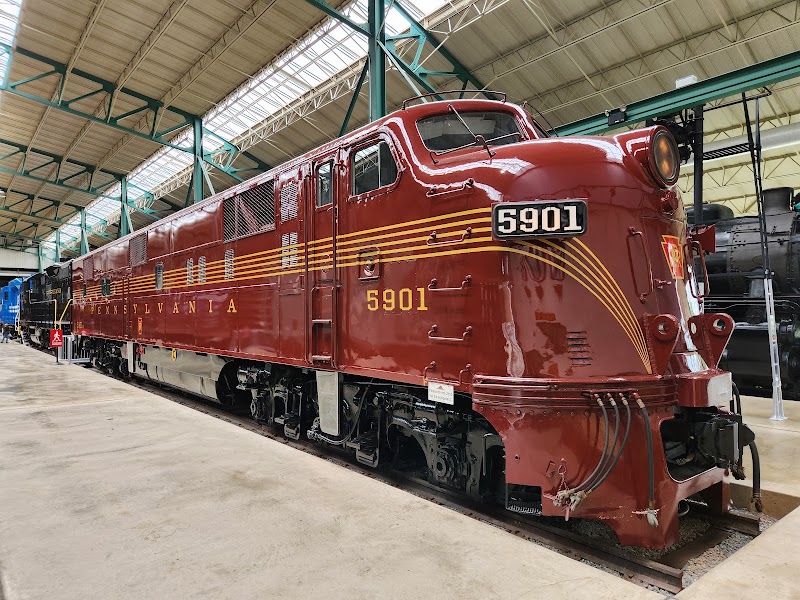
★ Reviews →The state railroad museum directly across from the Strasburg station holds 45 locomotives spanning 136 years of Pennsylvania railroad history — the most comprehensive collection of Pennsylvania Railroad equipment in existence. The centerpiece is the 1905 K4s Pacific locomotive #1361, the Pennsylvania Railroad's signature express passenger engine that powered the Broadway Limited on the New York-to-Chicago run for three decades. Beside it stands the GG1 electric locomotive #4935, the streamlined marvel designed by Raymond Loewy in 1934 whose distinctive PRR tuscan red paint and gold pinstripes defined the look of American passenger railroading for 40 years. An 1858 John Bull replica — built for the centennial of the original locomotive that inaugurated passenger rail in America — completes the chronological survey. The rolling stock restoration shop is visible through glass walls from the main gallery floor.
~1.5 hrs📍 See location
🍽️
Lunch
🍽️ Lunch~1 hr
Strasburg Village Lunch
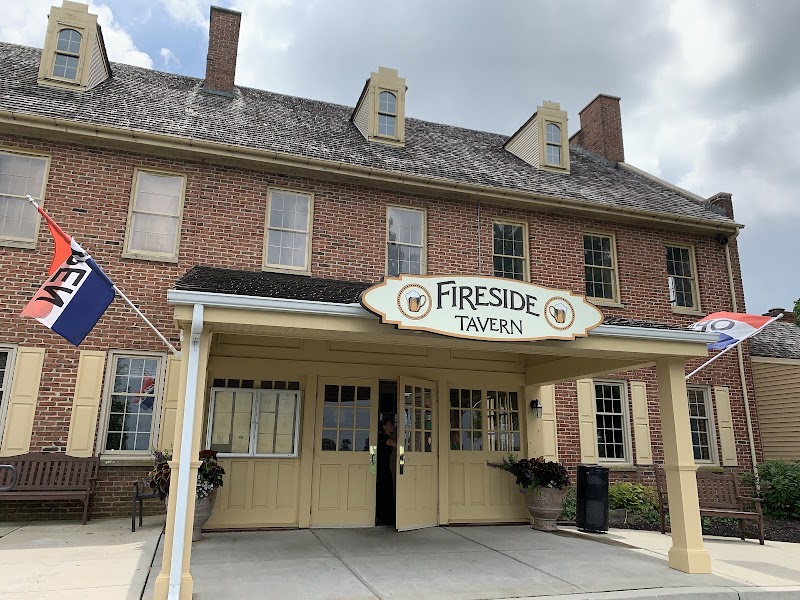
The village of Strasburg retains the character of a working Pennsylvania Dutch market town — its Main Street has a hardware store, a pharmacy, and a diner operating in buildings unchanged since the 1920s. The Historic Strasburg Inn dining room serves classic Lancaster County farm cooking in a Federal-era stone building; Iron Horse BBQ just off Main Street is a local favorite for smoked meats. A short, unhurried lunch before the afternoon drive to Ephrata.
4 options · tap to switch
🚗
Drive
Strasburg, PA → Ephrata, PA
25 min
Ephrata Cloister
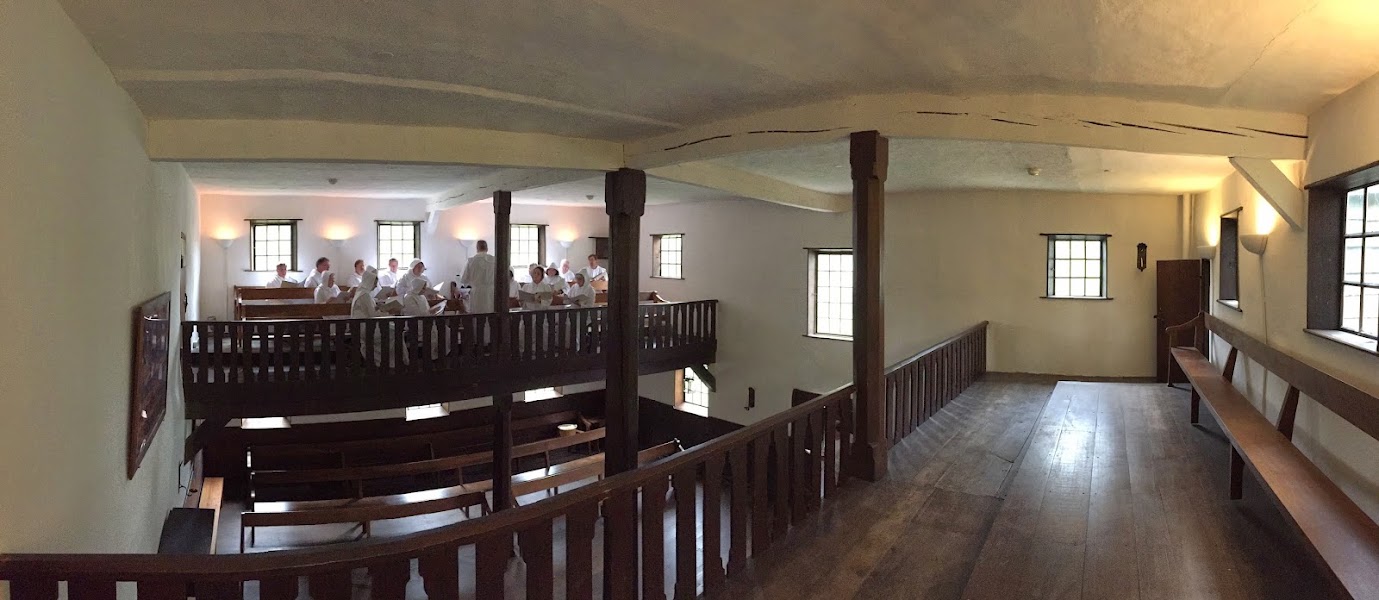
★ Reviews →Founded in 1732 by Johann Conrad Beissel — a German Pietist baker turned mystic who emigrated to Pennsylvania after deciding that Saturday, not Sunday, was the true Sabbath — the Ephrata Cloister stands as the first communal religious settlement in North America and one of the strangest experiments in the colonial American religious imagination. At its peak in the 1740s, the community housed 80 celibate Brothers and Sisters living in separate medieval-German-style dormitories (the Saron for women, the Zionitic Brotherhood House for men) alongside 200 married householders in the surrounding village. They rose at midnight for worship, slept on narrow wooden benches with wooden blocks for pillows, and practiced a form of communal mysticism that drew visitors from as far as Europe. The community operated one of colonial America's most important printing presses — they printed the 1748 Martyrs Mirror for the Mennonites, the largest book produced in colonial America — and created Frakturschriften illuminated manuscripts of extraordinary beauty. Three of the original 28 buildings survive on the site, enough to convey the medieval-Germanic architectural character that Beissel transplanted wholesale from the Rhineland.
~1.5 hrs📍 See location
☀️
Afternoon
Landis Valley Village & Farm Museum
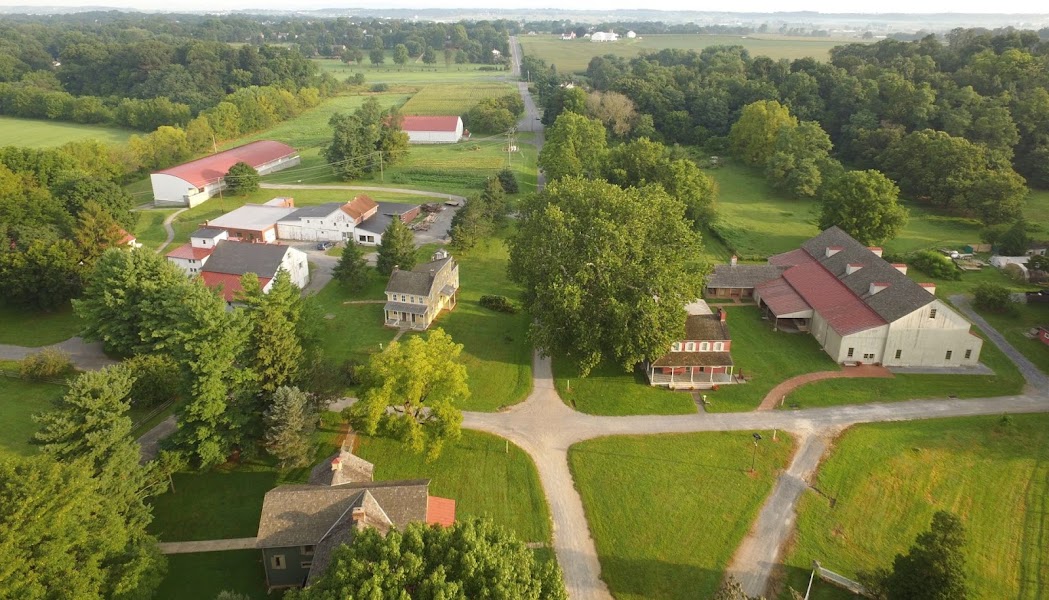
★ Reviews →The Landis Valley Museum preserves 15 Pennsylvania German farm buildings representing rural life from 1740 to 1940 — not a reconstructed village, but an assembled collection of original structures moved from their original sites to create a coherent landscape of Lancaster County agricultural history. The working heirloom seed program maintains over 100 varieties of vegetables, herbs, and grains documented in the Pennsylvania German tradition, many of which would otherwise have disappeared from cultivation entirely. Costumed interpreters demonstrate open-hearth cooking in the 1840s farmhouse kitchen, hand-weaving on period looms in the weaving house, and blacksmithing in the working forge. The Tavern restaurant on the property serves meals prepared using recipes and techniques from the museum's collection.
~1.5 hrs📍 See location
Green Dragon Farmers Market
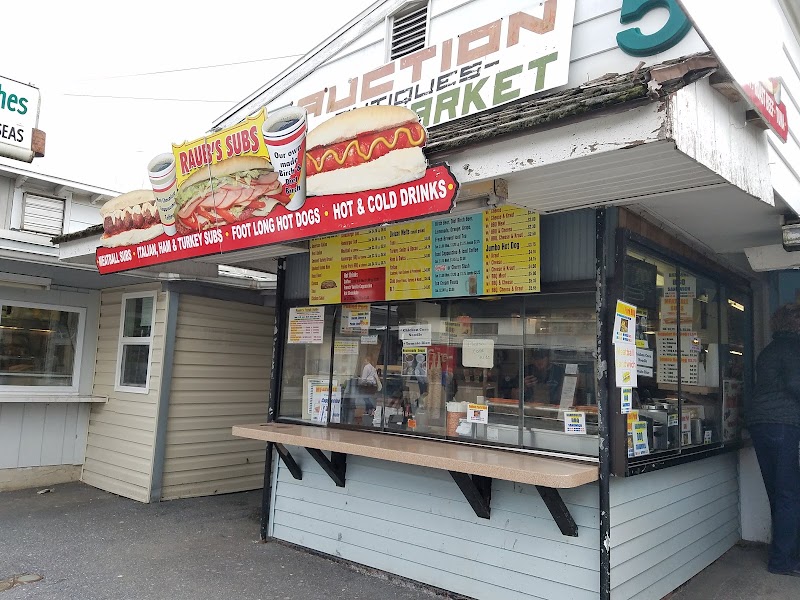
★ Reviews →Running on Friday and Saturday since 1932, the Green Dragon is the original Lancaster County farmers market — 400 vendors spread across 30 acres of sheds and open lots in a format that has changed almost nothing in 90 years. The livestock auction runs at the far end of the property (cattle, goats, chickens), while the produce side overflows with Pennsylvania Dutch specialties: scrapple, head cheese, apple schnitz, dried bean soup mixes, hand-dipped candles, and bulk spices sold by the pound from cloth sacks. The flea market portion contains genuine antique farm equipment alongside the usual contemporary merchandise. It operates with the energy of a place where local commerce actually happens, not a heritage experience staged for visitors.
~1 hr📍 See location
🌙
Evening
🍽️ Dinner~1 hr
Lily's on Main
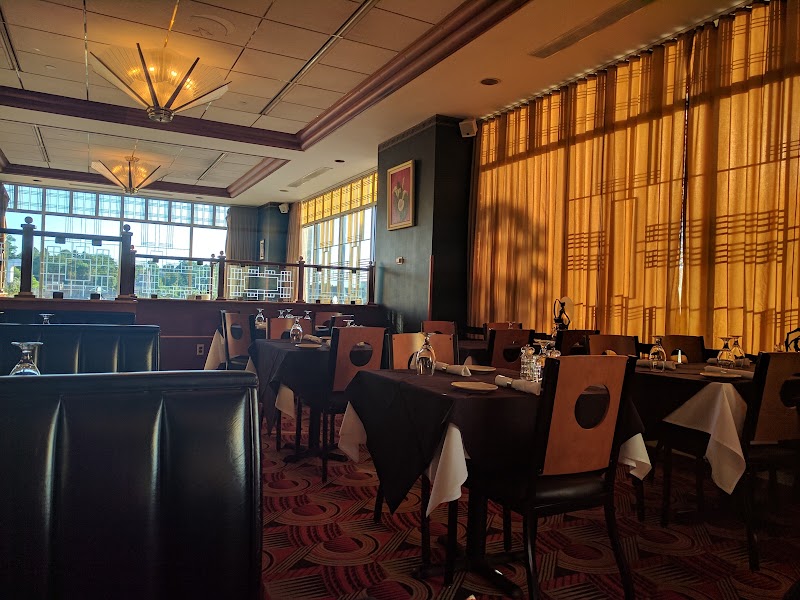
A candlelit bistro on Lititz's Main Street, housed in a restored 19th-century commercial building with exposed limestone walls and wide-plank floors original to the structure. The kitchen draws on the surrounding Lancaster County farms for its seasonal menu — grilled Amish chicken, local mushroom risotto, Pennsylvania charcuterie — with a wine list strong in Pennsylvania and Virginia bottles. The most refined dinner option in the Lititz-Ephrata corridor, appropriate for the transition from a day of historical immersion.
4 options · tap to switch
🛏️
The Inn at Leola Village
A 38-room inn assembled from eight historic Lancaster County farm buildings on a 23-acre property in Leola, between Ephrata and Lititz. The structures — a farmhouse, barn, carriage house, and outbuildings dating from the 1780s to the 1890s — have been converted with period antiques and original wide-plank floors intact. The inn is centrally located for the next morning's drive to Lititz and has an on-site restaurant serving Pennsylvania Dutch farm cooking for breakfast.
Day 3 — Lititz, PA
Day 3 — Lititz, PA
🚗 1 hr 35 min driving📍 6 stops
🌅
Morning
🚗
Drive
Leola, PA → Lititz, PA
15 min
Julius Sturgis Pretzel Bakery
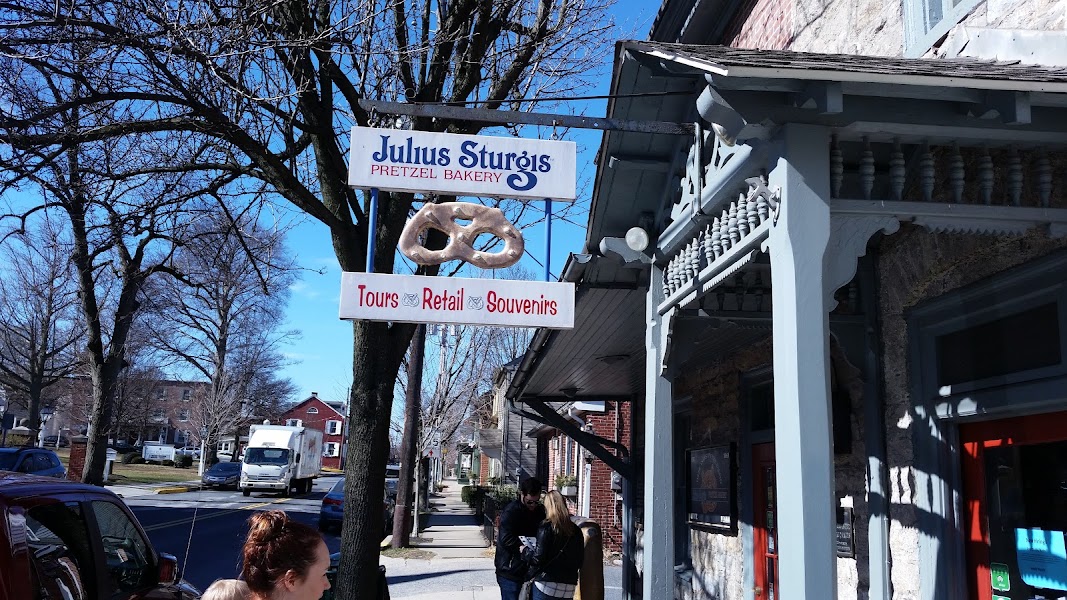
★ Reviews →Established in 1861 in the original limestone building on Broad Street where it still operates, the Julius Sturgis Pretzel Bakery is America's oldest commercial pretzel bakery — 163 years of continuous production from the same ovens, in the same building, on the same street. The guided tour teaches the traditional hand-twisting technique (the classic pretzel shape was developed by Pennsylvania Dutch bakers from a European monastic bread form) and traces the history of how the Sturgis family scaled the pretzel from a regional Lancaster County specialty sold from barrels to a national snack food industry. Visitors twist their own pretzels from a rope of dough and bake them in the original brick ovens; the result is a pretzel with a crust and a chew quite unlike anything produced industrially. The bakery's original sales ledgers and equipment from the 1860s are displayed in the tasting room.
~1 hr📍 See location
Lititz Walking Tour
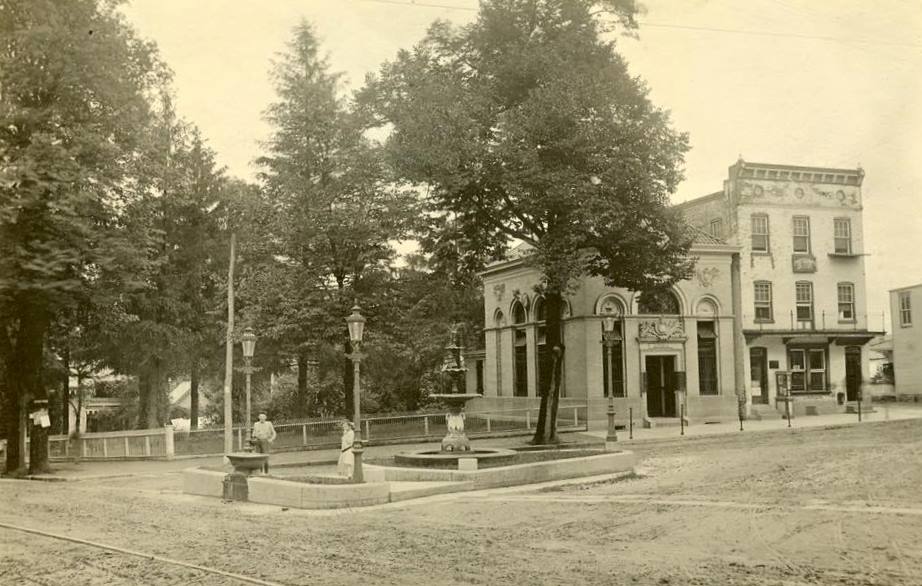
★ Reviews →Lititz was founded in 1756 by Moravian Brethren — a Protestant denomination originating in Bohemia that practiced a communal piety built around music, craftsmanship, and education — and operated as a closed Moravian community, admitting only members of the congregation, until 1855. The town's layout, its institutional buildings, and its cemetery reflect this 99-year period of intentional community with unusual completeness. Linden Hall, established in 1746, is the oldest continuously operating girls' school in the United States, still educating students on the original campus. The Moravian Church square retains its 18th-century limestone church and Brothers' House. God's Acre, the Moravian cemetery, places flat, identical grave markers on every plot — the physical expression of the theological belief that all souls are equal before God in death. The Sisters' House has been converted to apartments, but its exterior and the inscribed date stone above the door remain.
~1 hr📍 See location
🍽️
Lunch
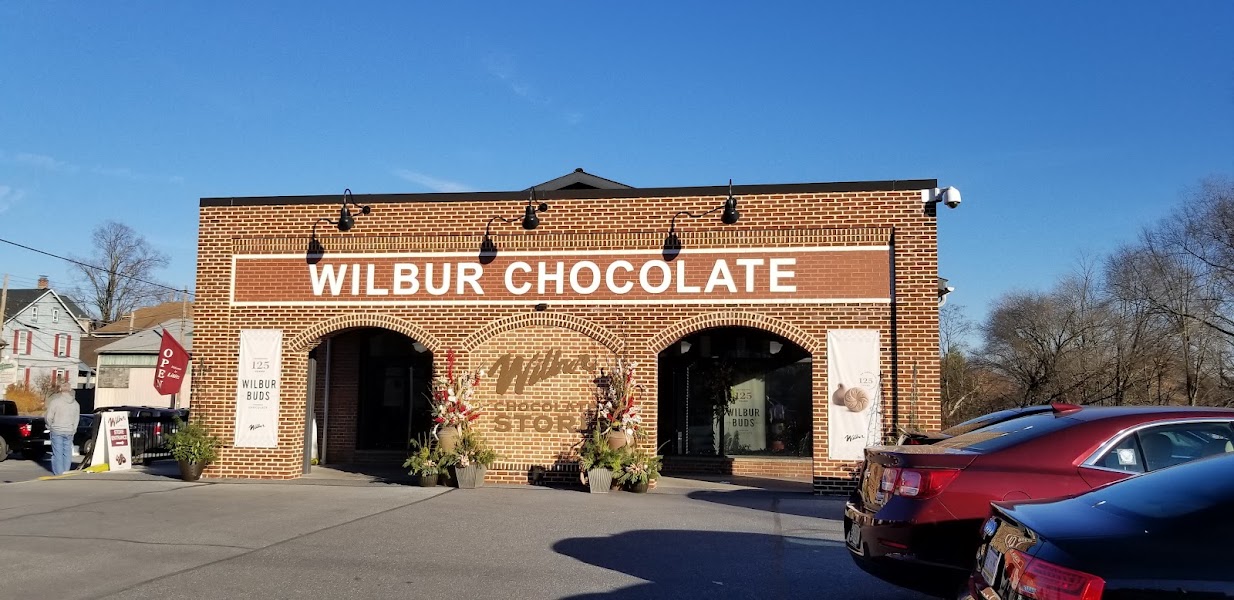
Wilbur Chocolate Company & Candy Americana Museum
★ Reviews →Wilbur has been manufacturing chocolate in Lititz since 1884, and the company store on North Broad Street remains one of the few places in Pennsylvania where you can watch chocolate production through factory windows while browsing a working candy museum. The Candy Americana Museum occupies the back rooms and displays antique chocolate molds (cast iron birds, animals, and seasonal figures dating from the 1840s), early candy-making equipment, and the story of the Wilbur Bud — a foil-wrapped chocolate kiss that the company began producing in 1893, five years before Hershey registered its similarly shaped Kiss. The store sells Wilbur Buds in bulk, still wrapped individually in colored foil, alongside single-origin chocolate bars and seasonal confections.
~1 hr📍 See location
🍽️ Lunch~1 hr
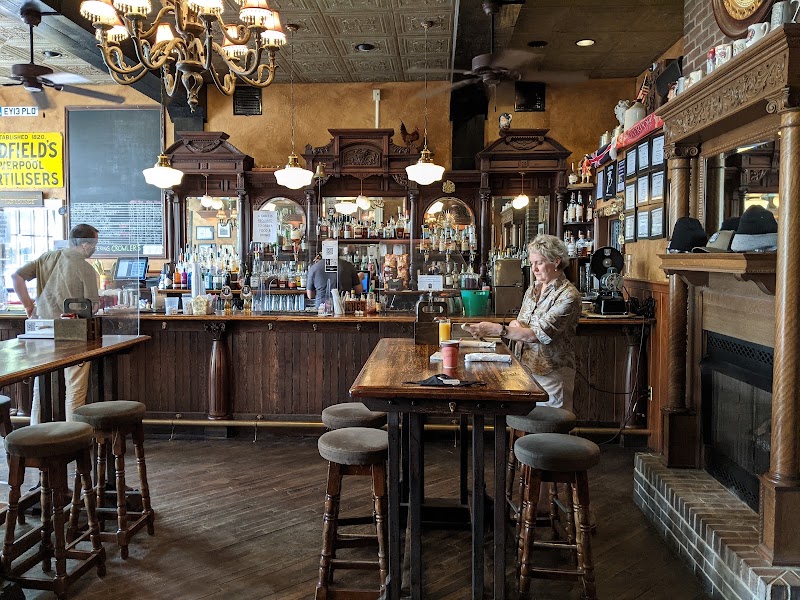
Lititz Borough Lunch
Lititz's compact downtown has a strong independent restaurant scene concentrated within three blocks of the Pretzel Bakery. The Kitchen at Lititz springs Farm serves farm-to-table lunch in a converted farm building; Dosie Dough Bakehouse makes sandwiches on bread baked from local grain. A leisurely lunch before the afternoon park walk gives time to absorb the morning's historic density.
4 options · tap to switch
☀️
Afternoon
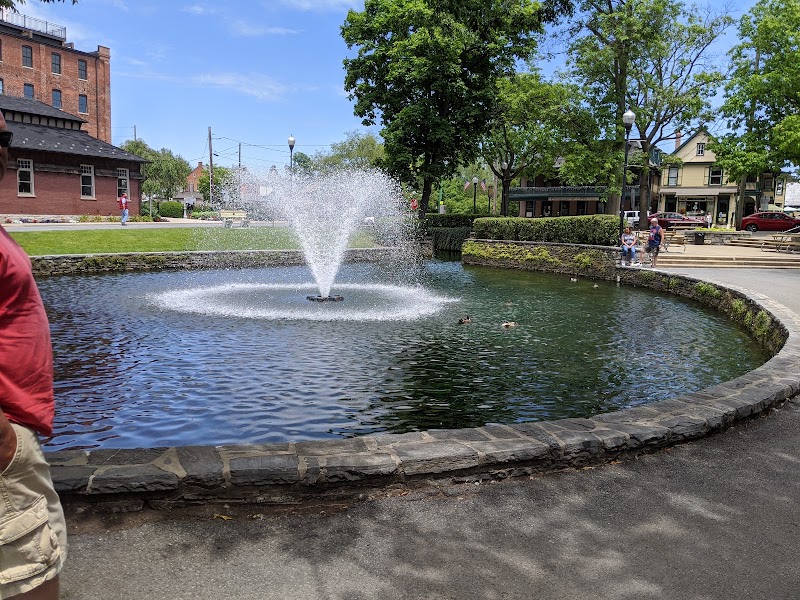
Lititz Springs Park
★ Reviews →The natural limestone spring that gave Lititz its water supply was the literal center of the original Moravian settlement, and the park that surrounds it has served as the community's gathering space since the 18th century. The 1760 stone springhouse — one of the oldest intact limestone structures in Lancaster County — still stands at the spring's edge. The open-air amphitheater built in 1905 on the park's east side hosts the Candle Night ceremony every Fourth of July, when thousands of hand-dipped candles are floated on the spring pond in a celebration that has continued without interruption since 1818 — the oldest continuous outdoor Independence Day celebration in Pennsylvania. In the afternoon light, with the spring running clear over limestone and the old springhouse casting its shadow, the park has an extraordinary quiet for a place at the center of a town.
~1.5 hrs📍 See location
Continue at Sturgis Pretzel House Courtyard
★ Reviews →Use the afternoon to explore a different side of Julius Sturgis Pretzel Bakery — there's more to discover beyond the morning highlights.
~30 min📍 See location
🌙
Evening
🚗
Drive
Lititz, PA → Philadelphia, PA
1 hr 20 min
← All Philadelphia trips
More getaways from Philadelphia
Delaware Water Gap: Waterfalls, Summit Views & River Swimming — Day trip🥾Delaware Water Gap: Waterfalls, Ridge Hiking & Niagara of Pennsylvania — Weekend🥾Pocono Mountains Circuit: Waterfalls, Gorge Rafting & Hawk Migration — Long weekend🥾Steam Trains & Amish Farmlands: Lancaster County in a Day — Day trip🏛️Pennsylvania Dutch Country: Steam Trains, Plain Communities & Colonial Communes — Weekend🏛️Brandywine Valley & Gettysburg: Gardens, War, and the Wyeth Vision — Long weekend🏛️Brandywine Valley: Longwood Gardens, Wyeth & Delaware River Countryside — Day trip🌿Brandywine Valley Weekend: Du Pont Estates, Wyeth Country & Delaware River — Weekend🌿
© 2026 theweekendgetaways.com · All itineraries are original content. Terms
Plan your own escapeExplore more trips →