🏛️ CulturalLong weekend · from Philadelphia, PA
Brandywine Valley & Gettysburg: Gardens, War, and the Wyeth Vision
Three days trace an arc from the manicured grandeur of the Brandywine Valley's du Pont estates to the somber Pennsylvania hills where the Civil War reached its turning point. The first day explores Longwood Gardens — Pierre du Pont's 1906 horticultural masterpiece spread across 1,077 acres — and the Brandywine River Museum housing three generations of Wyeth paintings in a converted grist mill. The second day moves through Chadds Ford's Revolutionary War battlefield and the mushroom farms of Kennett Square. The third day arrives at Gettysburg, where Lincoln found the words that redefined the American promise.
Day 1 — Longwood Gardens & Brandywine Valley, PADay 2 — Chadds Ford & Kennett Square, PADay 3 — Gettysburg, PA
Day 1 — Kennett Square, PA
Day 1 — Kennett Square, PA
🚗 40 min driving📍 6 stops
🌅
Morning
🚗
Drive
Philadelphia, PA → Longwood Gardens, Kennett Square, PA
40 min
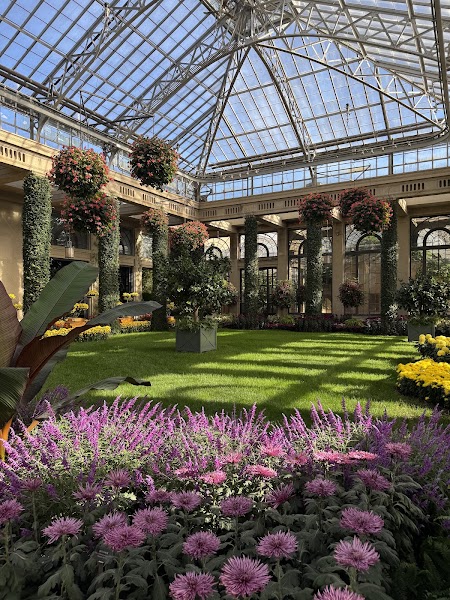
Longwood Gardens
★ Reviews →Pierre S. du Pont purchased the 1,700-acre Peirce farm in 1906 and spent the next 40 years creating what is now considered the finest horticultural display in North America — a privately funded act of landscape art on a scale that has no domestic parallel. The property contains 40 indoor and outdoor gardens: the 4-acre Conservatory (rebuilt and expanded in 2024 to a design by West 8) holds 5,500 plant species across a sequence of themed rooms from the Orangery to the Silver Garden to the Rose House. The 600-jet Main Fountain Garden illuminates summer evenings in synchronized light-and-water performances that du Pont himself choreographed; the Italian Water Garden, modeled on the Villa Gamberaia near Florence, creates a formal axis of water channels and box parterres. The Meadow Garden covers 86 acres of naturalized plantings designed by the Piet Oudolf studio, whose signature approach of prairie species arranged in naturalistic drifts creates a counterpoint to the formal Conservatory's discipline. Plan for a minimum of three hours; the serious horticulturalist could spend a full day.
~6 hrs📍 See location
🍽️
Lunch
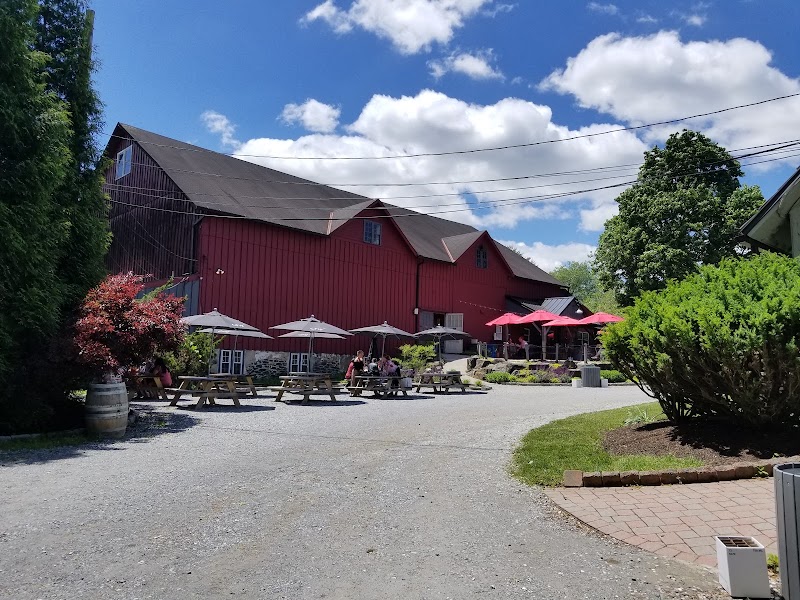
Chadds Ford Winery
★ Reviews →The Brandywine Valley's oldest winery operates from a restored 1736 stone barn on Brandywine Creek Road, where Vidal Blanc, Chambourcin, and Cabernet Franc grapes grow on the estate slopes above the Brandywine Creek. The tasting room occupies the original threshing floor; the barn's hand-hewn oak beams and fieldstone walls create the exact atmosphere the Brandywine School of painters found so compelling about this valley in the 19th century. The Chambourcin — a French-American hybrid particularly suited to Chester County's red clay soil — produces a medium-bodied red with black cherry and spice character that has won consistent recognition at the Pennsylvania Farm Show.
~1.5 hrs📍 See location
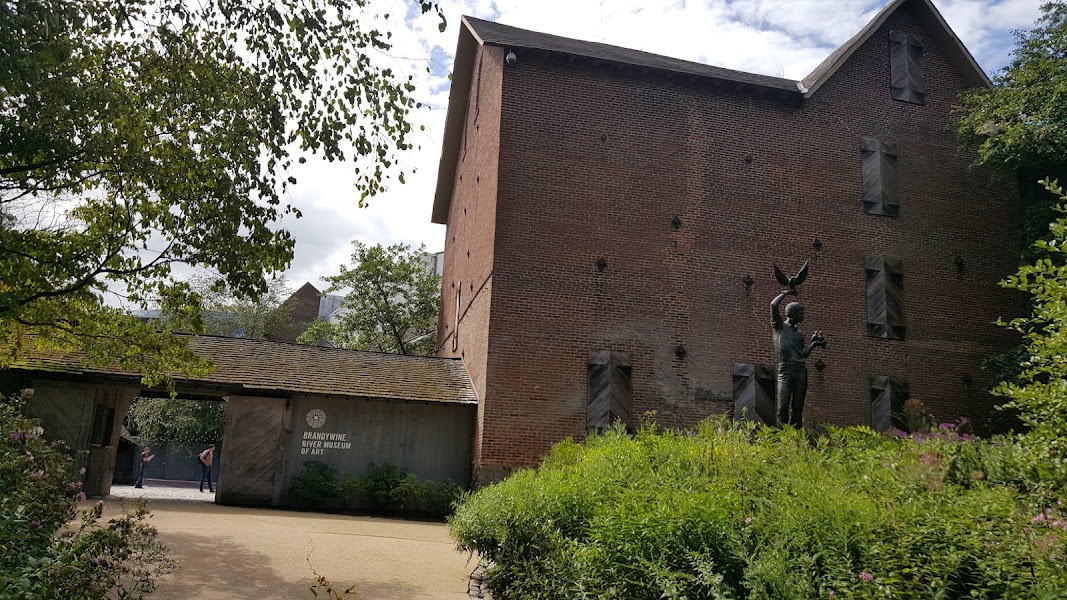
Brandywine River Museum of Art Café
★ Reviews →The museum café occupies a glass-enclosed addition to the converted 1864 grist mill on the Brandywine Creek, with the original millrace and wooden sluice visible through the floor-to-ceiling windows below the dining floor. The terrace, cantilevered above the river, overlooks the same Chadds Ford landscape that Andrew Wyeth painted for six decades — the limestone bluffs, the overgrown millrace, the particular silver light of a Chester County afternoon. The menu is appropriately restrained: soups, salads, and sandwiches sourced from local Chester County farms, with a selection of Pennsylvania wines. Lunch here, between the morning at Longwood and the afternoon in the galleries, is the unhurried midpoint the day rewards.
~1.5 hrs📍 See location
☀️
Afternoon
Brandywine River Museum of Art
★ Reviews →The definitive collection of three generations of Wyeth painting occupies a converted 19th-century grist mill on the Brandywine Creek — a building so appropriate to the Wyeth sensibility that it seems less found than composed. N.C. Wyeth, the patriarch, trained under Howard Pyle in Wilmington and became America's most celebrated illustrator: his original paintings for Treasure Island, Robinson Crusoe, The Last of the Mohicans, and Robin Hood hang in their full scale, the adventure of their subjects matched by the physical confidence of their brushwork. His son Andrew Wyeth spent 60 years painting the Chadds Ford landscape and the Maine coast in a style so technically demanding and emotionally compressed that American critics spent decades debating whether it was sentimental or severe. His 'Christina's World' studies and the Helga paintings — 247 works kept secret until 1986 — are represented here in depth. Andrew's son Jamie Wyeth completes the dynasty: his portraits of John F. Kennedy, Rudolf Nureyev, and Andy Warhol hang beside his Maine island paintings. The 1971 addition designed to preserve the mill's original form while integrating contemporary gallery space is itself an architectural lesson in restraint.
~1.5 hrs📍 See location
🌙
Evening
🍽️ Dinner~1 hr
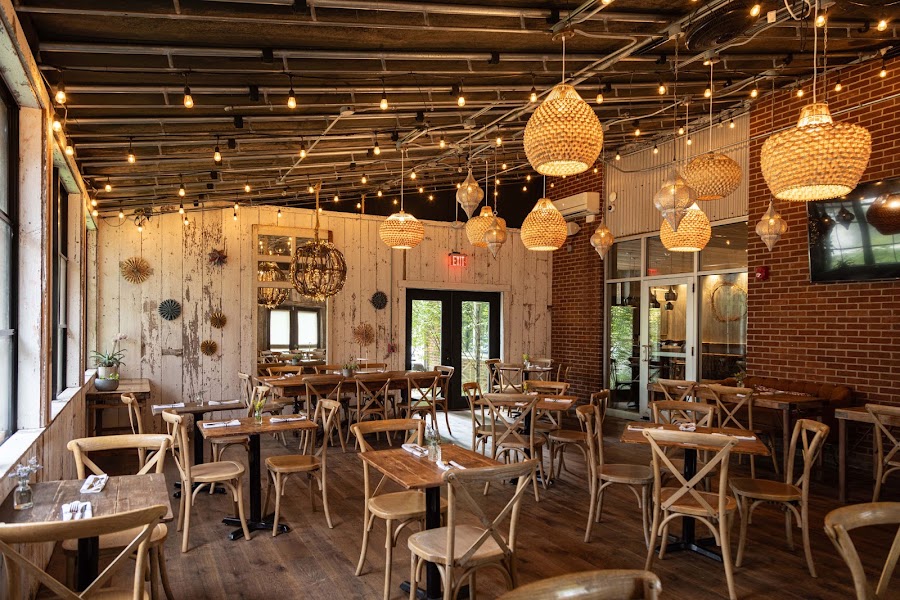
Sovana Bistro
A northern Italian kitchen in a converted 18th-century stone farmhouse in Kennett Square, with a kitchen garden supplying herbs and vegetables to a menu built around handmade pasta, local farm meats, and the Kennett Square mushroom — the county grows 65% of all mushrooms consumed in the United States, and Sovana treats the local Cremini and Portobello with the respect a Piedmontese chef would give white truffles. The wine list is weighted toward small-production Barolo and Barbaresco producers; the dining room, with its original limestone walls and low-beamed ceilings, has the quality of a farmhouse that became a restaurant without being redesigned for the purpose.
4 options · tap to switch
🛏️
Kennett House Bed & Breakfast
A restored 1910 Craftsman-style house in Kennett Square's historic borough, two blocks from the restaurant corridor on State Street. The Kennett House has six rooms with original Arts and Crafts woodwork, a wraparound porch, and hosts who will confirm mushroom-farm tours and arrange timed entry to Longwood if you want a second morning there. For those preferring a full-service hotel, the Inn at Whitewing Farm in West Chester is 15 minutes north and set on 43 acres of Chester County farmland.
Day 2 — West Chester, PA
Day 2 — West Chester, PA
🚗 15 min driving📍 7 stops
🌅
Morning
🚗
Drive
Kennett Square, PA → West Chester, PA
15 min
Brandywine Battlefield State Park
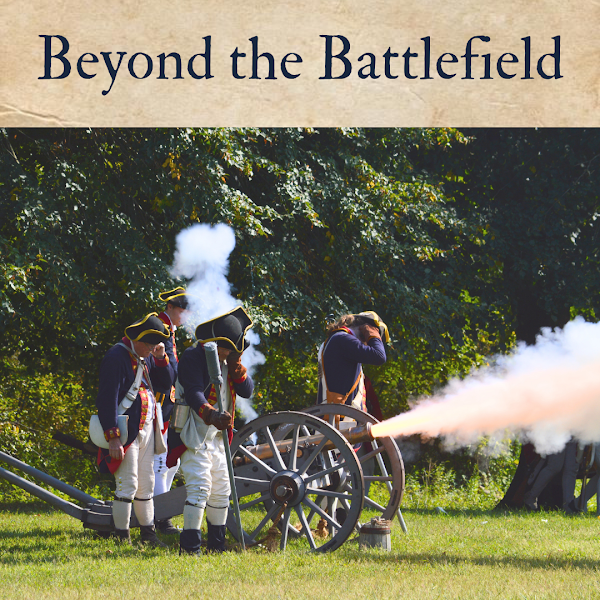
★ Reviews →September 11, 1777: the largest single-day land battle of the American Revolution was fought across the Brandywine Creek valley, ending with Washington's Continental Army retreating toward Chester in disarray and Philadelphia's fall as a consequence. The 52-acre state park preserves the core of the battlefield, including Lafayette's command post at the Gideon Gilpin farmhouse — where the 19-year-old Marquis de Lafayette, commanding his first engagement on American soil, was wounded in the leg and carried from the field — and Washington's headquarters at the Benjamin Ring House, a limestone farmstead of the 1730s that served as the American command center on the morning of the battle. The interpretive center maps the full course of the engagement: Howe's flanking column crossing the Brandywine at Jefferis Ford eight miles north, the failure of American reconnaissance to detect the crossing, and the catastrophic collapse of the right flank that exposed Philadelphia. Walking the preserved meadows in the morning light, the tactical geography of the disaster becomes legible.
~1.5 hrs📍 See location
🍽️
Lunch
🍽️ Lunch~45 min
Roots Café
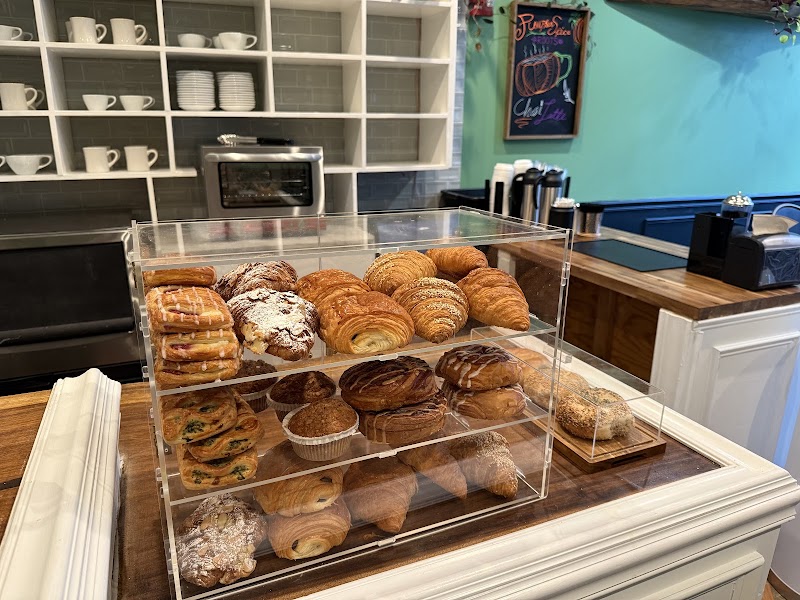
A neighborhood lunch institution on Gay Street in West Chester's historic commercial core, in a renovated 19th-century storefront with pressed-tin ceilings and a blackboard menu that changes daily based on what the kitchen receives from local Chester County farms. The soups are made from scratch each morning; the sandwiches use bread from a local bakery and meats from an Amish butcher supplier in Lancaster County. It has the quality of a place where regulars have the same table every Tuesday, and visitors are welcome without ceremony.
4 options · tap to switch
West Chester Walking Tour
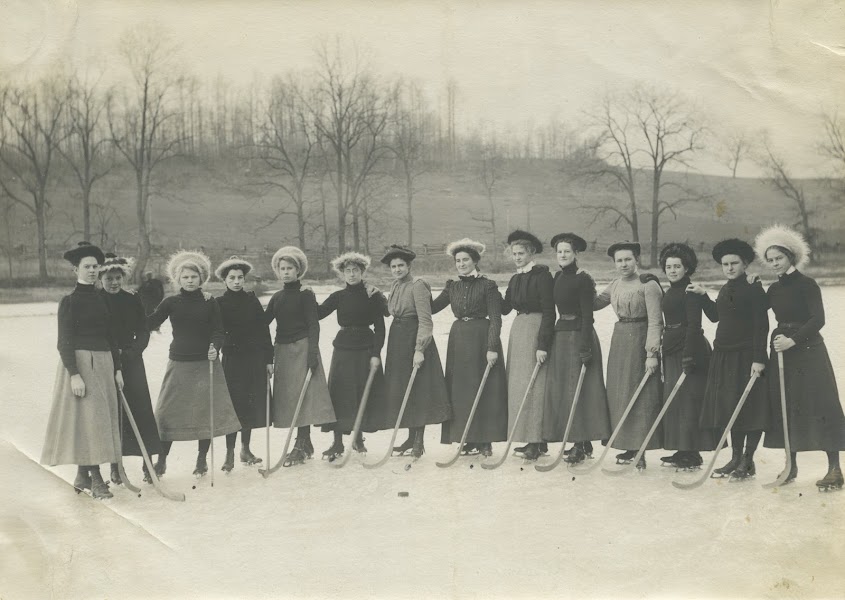
★ Reviews →West Chester's status as Chester County seat since 1788 produced a civic building program of unusual quality: the Chester County Courthouse (1848), designed by Thomas U. Walter (who later added the Capitol Dome in Washington), anchors a Gay Street commercial block of Victorian Italianate buildings unaltered since the 1880s. High Street's Federal-era row houses, built 1800-1830, are among the best-preserved examples of that style outside Philadelphia. The town's independent bookstores, record shops, and specialty food retailers occupy these 19th-century buildings with the ease of a commercial district that never had a reason to modernize the facades. The Chester County Historical Society at 225 North High Street has extraordinary collections of Chester County furniture and decorative arts for those who want to extend the architectural education indoors.
~1 hr📍 See location
☀️
Afternoon
American Helicopter Museum & Education Center
★ Reviews →West Chester was the birthplace of the American helicopter industry, and this museum on the site of the former Piasecki Aircraft Corporation plant preserves 75 historic rotorcraft in the most comprehensive vertical-flight collection in the world. The Piasecki PV-2 — the second helicopter to fly successfully in the United States, built by Frank Piasecki in a West Philadelphia garage in 1943 and first flown here — anchors a collection that runs from the Sikorsky VS-300 replica (Igor Sikorsky's 1939 prototype that established the tail-rotor configuration still used on every conventional helicopter) through a CH-47 Chinook tandem-rotor transport that visitors can board and walk through. The museum's education center includes a flight simulator; the restoration shop behind the main gallery has aircraft in various stages of reconstruction visible through glass.
~1.5 hrs📍 See location
📍
Chester County Historical Society — West Chester
★ Reviews →West Chester's beautifully maintained county museum traces 300 years of Pennsylvania life — quilts, furniture, Revolutionary War artifacts, and a research library. The walkable Gay Street downtown nearby has good independent shops and coffee. A much stronger cultural fit than the previous stop for a journey built around Brandywine Valley history.
~1.5 hrs📍 See location
🌙
Evening
Gilmore's
★ Reviews →Peter Gilmore's classic French kitchen in West Chester's historic Gay Street district has anchored the town's dining scene for two decades, producing technically rigorous French cooking — terrines, duck confit, beef Bourguignon, sole meunière — in a warm dining room with exposed brick walls and white linen. It is the kind of restaurant that has become rare in the American countryside: a classically trained chef working without a concept, simply making the food that rewards the technique. The wine list emphasizes Burgundy and the Rhône; the prix fixe format ensures a properly paced evening.
~1 hr📍 See location
🛏️
Inn at Whitewing Farm
A 43-acre Chester County farm property converted to a 10-room inn in the original 1700s fieldstone farmhouse, with rooms furnished in antiques from the Brandywine Valley tradition and a working farm that includes horses, sheep, and heritage-breed chickens. The property is equidistant between West Chester and Kennett Square, well positioned for the morning drive to Gettysburg. Breakfast is served family-style in the original farmhouse kitchen; the inn's owners can arrange early access to Brandywine Battlefield for dawn walks before the day's departure. Alternatively, the Duling-Kurtz House & Country Inn in Exton offers more formal accommodations and a full-service restaurant.
Day 3 — Gettysburg, PA
Day 3 — Gettysburg, PA
🚗 3 hr 30 min driving📍 5 stops
🌅
Morning
🚗
Drive
West Chester, PA → Gettysburg, PA
1 hr 30 min
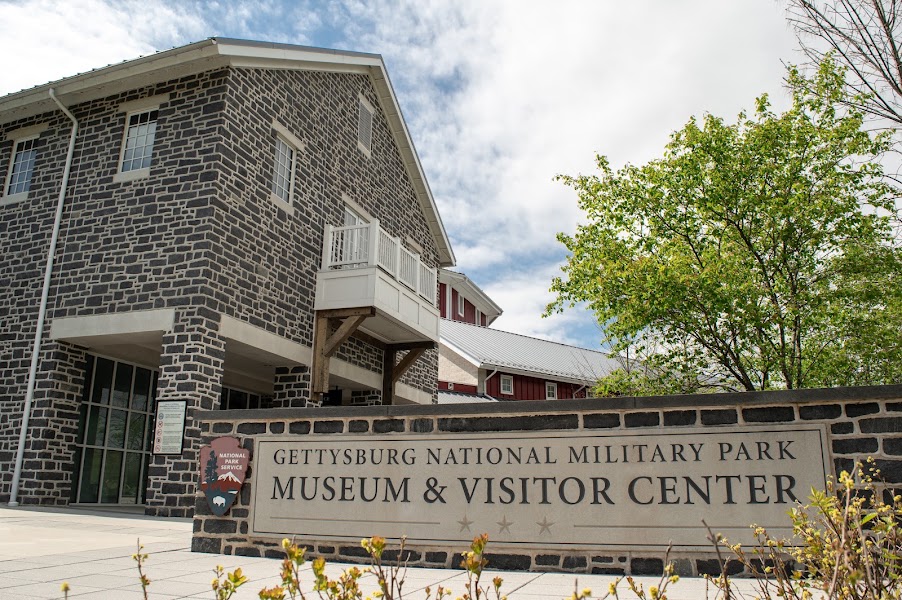
Gettysburg National Military Park Visitor Center & Museum
★ Reviews →The Museum and Visitor Center for Gettysburg National Military Park — opened in 2008 to replace the previous facility — houses 19 galleries and 11,000 artifacts tracing the three-day battle of July 1-3, 1863 that turned the war's momentum irrevocably. The museum's approach is chronological: the first galleries explain the strategic context (the Confederacy's second invasion of the North, Lee's calculation that a decisive victory on Union soil could fracture Northern morale); the later galleries walk the battle hour by hour, with recovered rifles, canteens, and personal effects from combatants on both sides. The centerpiece is the restored Gettysburg Cyclorama — a 377-foot-circumference circular oil painting depicting Pickett's Charge at its climactic moment on July 3, 1863, created by French artist Paul Philippoteaux in 1883 from photographs and veterans' testimony. The painting was restored at a cost of $15 million and rehung in a purpose-built rotunda; the 20-minute presentation, with surround-sound cannon fire and a three-dimensional foreground created in 1962, produces an immersive quality that photograph reproduction cannot convey.
~15 min📍 See location
🍽️
Lunch
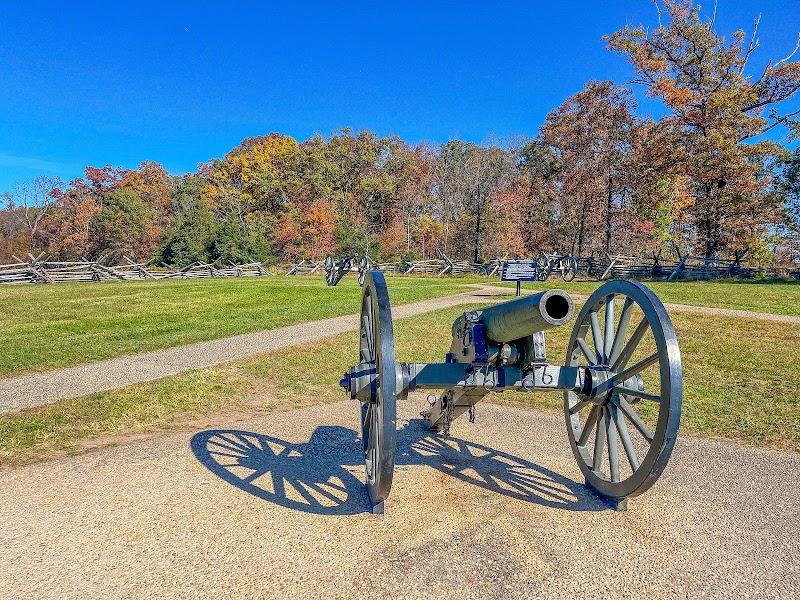
Self-Drive Battlefield Audio Tour: Little Round Top & Devil's Den
★ Reviews →The self-drive battlefield audio tour covers 24 miles of the 6,000-acre national park in a sequence that follows the battle's tactical geography. Little Round Top is the essential stop: the rocky hill at the extreme left of the Union line was undefended when Colonel Joshua Chamberlain's 20th Maine Regiment — 386 men who had marched 100 miles in five days — arrived to hold it on July 2, 1863. With ammunition exhausted after six Confederate charges, Chamberlain ordered a bayonet charge downhill into the Confederate line — an improvisation so unexpected that it broke the assault and held the Union flank. The bronze monument to the 20th Maine stands at the spot. Devil's Den, a jumble of massive granite boulders 200 yards south, sheltered Confederate sharpshooters who fired from the rock crevices; the famous Alexander Gardner photograph of a dead sharpshooter in the rocks was taken here. The Wheatfield changed hands six times in three hours; 6,000 men fell in its 20 acres.
~1 hr📍 See location
🍽️ Lunch~1 hr
Lincoln Square Lunch
The square at the center of Gettysburg borough, anchored by the Soldiers and Sailors Monument and surrounded by 19th-century commercial buildings, has a range of lunch options concentrated within a single block. Dobbin House Tavern (1776) occupies the oldest surviving structure in Adams County; the tavern's stone basement room serves American colonial fare by candlelight. The Pub & Restaurant on Lincoln Square has a reliable menu of sandwiches and salads appropriate to a battlefield afternoon.
4 options · tap to switch
☀️
Afternoon
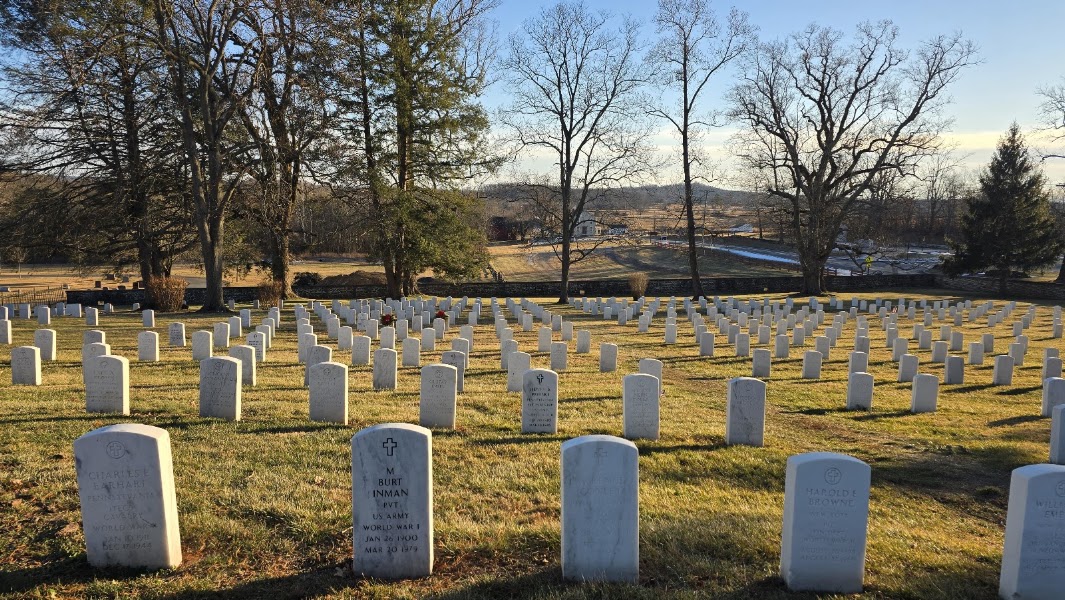
Soldiers' National Cemetery
★ Reviews →On November 19, 1863, Abraham Lincoln stood on a wooden platform at the edge of this cemetery and delivered a 272-word speech that lasted approximately two minutes — less than a tenth of the time consumed by Edward Everett's two-hour oration that preceded it. The Gettysburg Address redefined the purpose of the Civil War as a struggle not for union but for the proposition that all men are created equal, and in doing so redefined what the United States claimed to be. The cemetery itself — 3,512 Union soldiers buried in semicircular rows arranged by state, each grave marked with a small white stone — embodies the argument of the speech in its physical form: the identical markers express the equality that Lincoln said the nation was founded to prove. Confederate dead were buried in unmarked trenches on the battlefield and later reinterred in Richmond and Savannah; the asymmetry is itself part of the historical record. The cemetery's gentle slope, the sound of wind through the oaks, and the view north across the town where the battle began on July 1 create conditions for the kind of quiet that an afternoon in a museum cannot.
~1 hr📍 See location
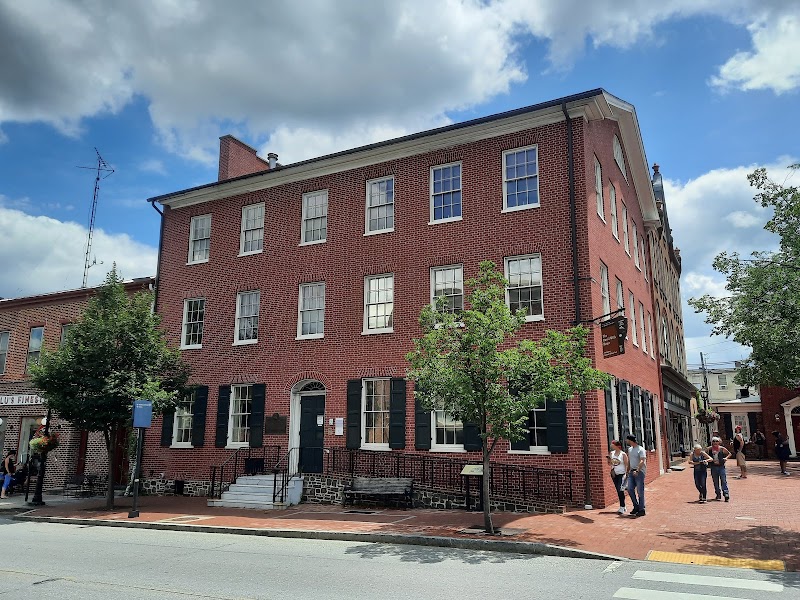
David Wills House
★ Reviews →David Wills was the 32-year-old Gettysburg attorney who organized the National Cemetery and persuaded Lincoln to speak at its dedication. Lincoln arrived in Gettysburg by train on November 18, 1863, dined at the Wills House on Lincoln Square, and retired to the upstairs guest room where — according to the evidence of the manuscripts — he completed and revised the Address he had begun drafting in Washington. The museum, opened in 2009, tells both the story of Wills's organizational achievement (he coordinated the reinterment of 3,512 soldiers in four months) and the story of the speech's composition. The most significant artifact is the only complete draft of the Gettysburg Address written entirely in Lincoln's handwriting — the Bancroft copy, on loan from Cornell — kept under climate-controlled glass in the room where Lincoln slept. The speech fits on one side of a single sheet of paper.
~1.5 hrs📍 See location
🌙
Evening
🚗
Drive
Gettysburg, PA → Philadelphia, PA
2 hr
← All Philadelphia trips
More getaways from Philadelphia
Delaware Water Gap: Waterfalls, Summit Views & River Swimming — Day trip🥾Delaware Water Gap: Waterfalls, Ridge Hiking & Niagara of Pennsylvania — Weekend🥾Pocono Mountains Circuit: Waterfalls, Gorge Rafting & Hawk Migration — Long weekend🥾Steam Trains & Amish Farmlands: Lancaster County in a Day — Day trip🏛️Pennsylvania Dutch Country: Steam Trains, Plain Communities & Colonial Communes — Weekend🏛️Pennsylvania Dutch Country: Three Days Among Plain Communities, Colonial History & Artisan Traditions — Long weekend🏛️Brandywine Valley: Longwood Gardens, Wyeth & Delaware River Countryside — Day trip🌿Brandywine Valley Weekend: Du Pont Estates, Wyeth Country & Delaware River — Weekend🌿
© 2026 theweekendgetaways.com · All itineraries are original content. Terms
Plan your own escapeExplore more trips →