🌿 RelaxedLong weekend · from Philadelphia, PA
Bucks County: Delaware Canal, Concrete Castles & Peddler's Village
Three days in Bucks County trace a gentle arc along the Delaware River and its limestone highlands — from New Hope's canal-town bohemia, where the towpath runs beside mule-pulled barges and the Bucks County Playhouse has staged productions since 1939, to Doylestown's extraordinary concrete castles built by the eccentric archaeologist Henry Chapman Mercer, who poured his entire fortune and aesthetic vision into two buildings that look like medieval fantasies growing from Pennsylvania hillsides. The third day finds Peddler's Village in Lahaska, a 42-acre specialty shopping enclave where a restored carousel still spins and the Cock 'n Bull restaurant has been feeding Bucks County visitors since 1952.
Day 1 — New Hope & Lambertville, PA/NJDay 2 — Doylestown, PADay 3 — Peddler's Village & New Hope return, PA
Day 1 — New Hope, PA
Day 1 — New Hope, PA
🚗 45 min driving📍 8 stops
🌅
Morning
🚗
Drive
Philadelphia, PA → New Hope, PA
45 min
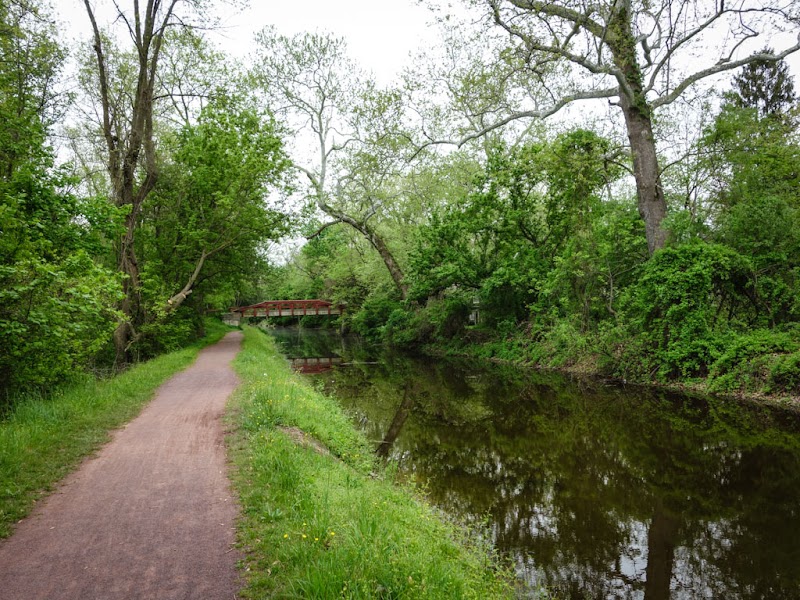
New Hope Canal Walk
★ Reviews →The Delaware Canal towpath runs for 60 miles through Bucks County as the last remaining continuously intact canal in America — a designation that makes this shaded dirt path one of the most historically significant walks in the mid-Atlantic. In New Hope, the towpath threads through the center of town, passing Lock 11, still intact and fully operational during summer demonstration events, and the preserved locktender's house where the lock operator and his family once lived in a structure barely larger than a railroad boxcar. The canal was dug between 1827 and 1832 by Irish immigrant workers using hand tools, and for four decades it carried some 900,000 tons of anthracite coal per year from the mining regions of Carbon County to the tidewater at Bristol. Great blue herons nest in the sycamore trees above the canal, and in spring, the towpath is banked with wild columbine and Virginia bluebells growing in the moist soil at the water's edge.
~1.5 hrs📍 See location
Delaware River Crossing to Lambertville, NJ
★ Reviews →The New Hope–Lambertville Bridge, built in 1904 on iron truss piers driven into the Delaware River bedrock, connects the Pennsylvania canal town to its quieter New Jersey sister city across the water. Lambertville is the more contemplative of the two towns — fewer souvenir shops, more serious antique dealers, and the Golden Nugget Flea Market on Route 29, which draws serious collectors for its Sunday morning displays of American country furniture and primitive paintings. Bridge Street on the Lambertville side hosts the best concentration of antique stores in New Jersey, organized into a loose district that runs from the river bank up toward the old Victorian train station. Brunch options on the New Jersey side — particularly at Lambertville Station and the Aqua Restaurant — are reliably excellent and considerably less crowded than their New Hope counterparts on weekend mornings.
~2.5 hrs📍 See location
🍽️
Lunch
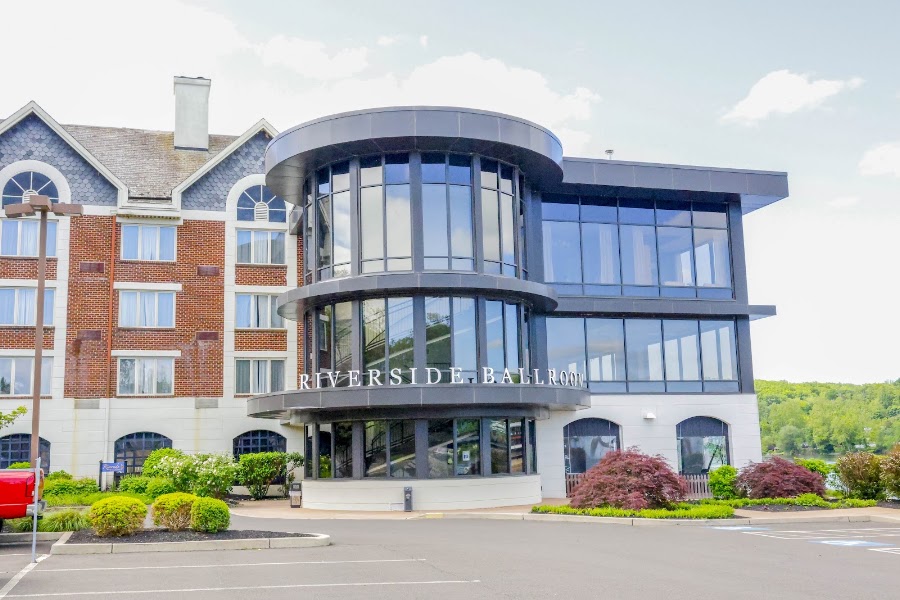
Lambertville Station Restaurant
★ Reviews →Housed in the 1867 Belvidere Delaware Railroad station on the New Jersey bank of the Delaware River, Lambertville Station occupies one of the most atmospheric dining rooms in the Delaware Valley — pressed tin ceilings, original railroad platform planking, and river views from every window seat. The brunch menu runs to eggs Benedict on housemade English muffins, smoked salmon plates with capers and pickled shallots, and brisket hash that arrives crisped in a cast-iron skillet. The bar pours a creditable Bloody Mary garnished with a celery stalk and pickled green bean from a local farm. A Saturday or Sunday morning table by the river windows is among the more pleasant ways to start a Bucks County weekend.
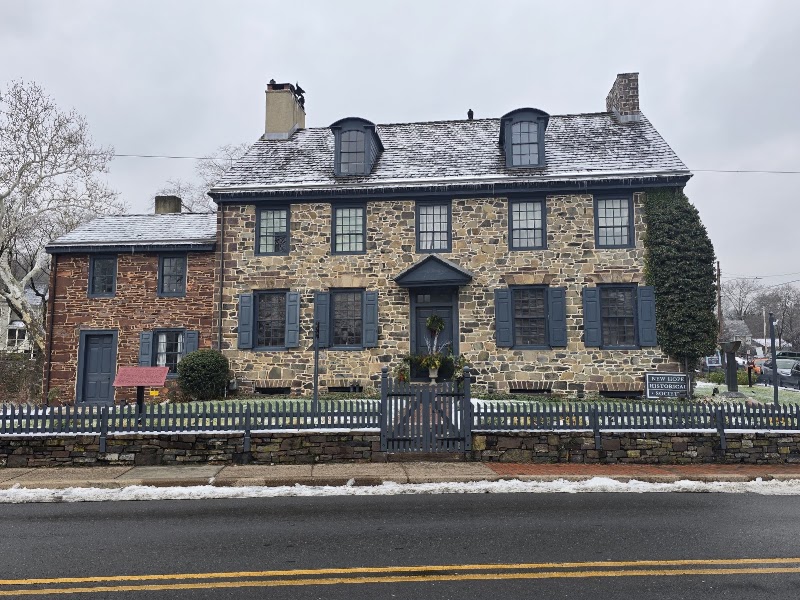
New Hope Walking Tour
★ Reviews →The Delaware River canal town has been a center of artistic and creative life since the 1890s, when the impressionist painter Edward Redfield and the New Hope Plein Air School established the area as one of the most significant American art colonies outside of Taos and Provincetown, drawing painters who worked outdoors year-round in defiance of the academic studio tradition. The town today has galleries in converted mule-barn buildings, an LGBTQ-friendly arts community that has been openly active here since the 1960s, independent bookshops stocking first editions of Bucks County writers including Pearl S. Buck and James Michener, and the 1939 Bucks County Playhouse — the oldest continuously operating summer stock theater in Pennsylvania, still performing from its original 1790 grist mill building on the Delaware River bank. Main Street and Ferry Street contain the densest collection of 18th-century stone commercial buildings in Bucks County, many still serving their original functions as taverns, inns, and merchants.
~1 hr📍 See location
☀️
Afternoon
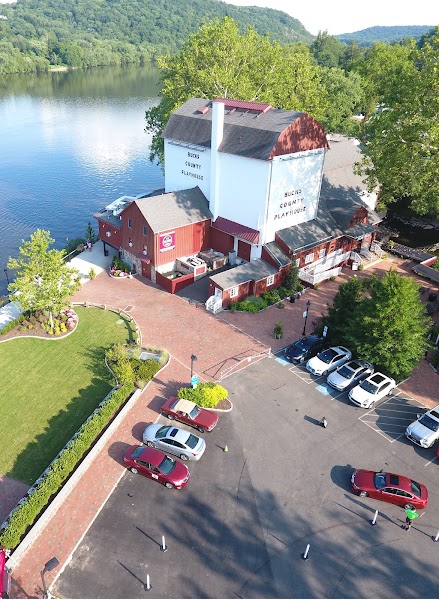
Bucks County Playhouse
★ Reviews →Opened in 1939 in a 1790 grist mill building perched on the Delaware River at the lower end of New Hope's Main Street, the Bucks County Playhouse is the oldest continuously operating summer stock theater in Pennsylvania and one of the most storied regional stages in American theater history. The Playhouse launched the careers of Liza Minnelli, Grace Kelly, Gene Wilder, and Robert Redford — all of whom performed here early in their careers — and counted among its founders the playwright Moss Hart and the producer Alan Jay Lerner, who staged early versions of their Broadway musicals on this river-town stage. The main theater occupies the original mill building, with the Delaware River visible through the lobby windows and the original millrace audible beneath the stage during quiet moments in performance. Even when there is no performance to attend, the building's exterior — stone walls, water-wheel pit, and terrace above the river — is one of the most beautiful theatrical settings in the mid-Atlantic.
~1 hr📍 See location
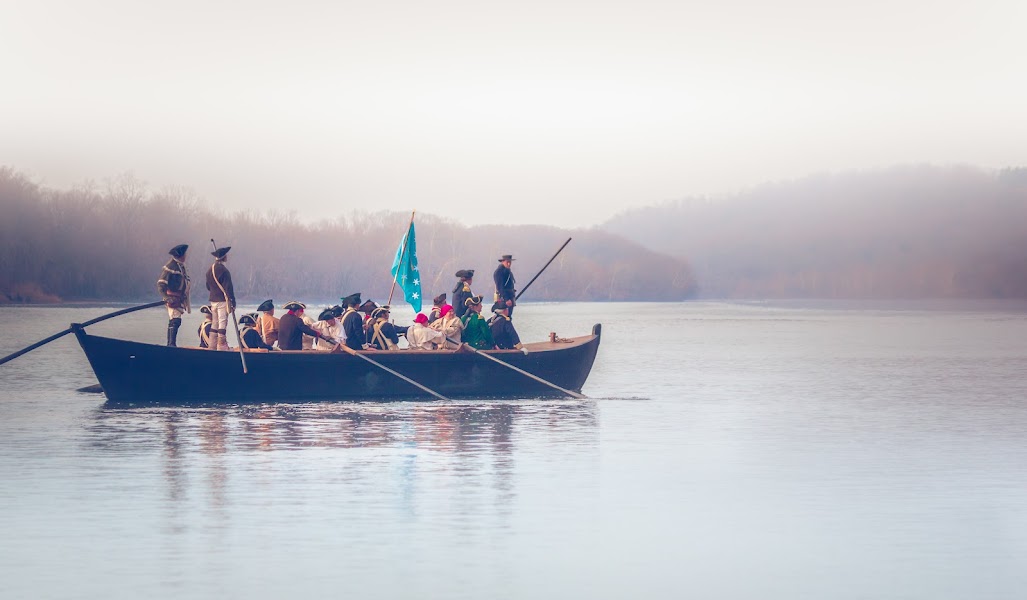
Washington Crossing Historic Park
★ Reviews →The site of Washington's famous Christmas night 1776 crossing of the Delaware River — the audacious surprise attack on the Hessian garrison at Trenton that reversed the Revolution's fortunes after a brutal string of Continental Army defeats in New York and New Jersey. The McConkey Ferry Inn, where Washington and his officers ate dinner before embarking on the Durham boats in the freezing river darkness, is preserved essentially intact and open for guided tours. The 9,500-acre park's northern section contains Durham boat replicas built to the specifications of the flat-bottomed river freight boats Washington's troops used to ferry horses, cannon, and infantry across the ice-choked Delaware. A one-mile towpath walk south from the park's McConkey's Ferry section passes through stands of river birch and sycamore along the Delaware Canal, arriving at a quiet reach of the canal where the towpath is virtually unchanged from its 19th-century operational condition.
~45 min📍 See location
🌙
Evening
🍽️ Dinner~1 hr
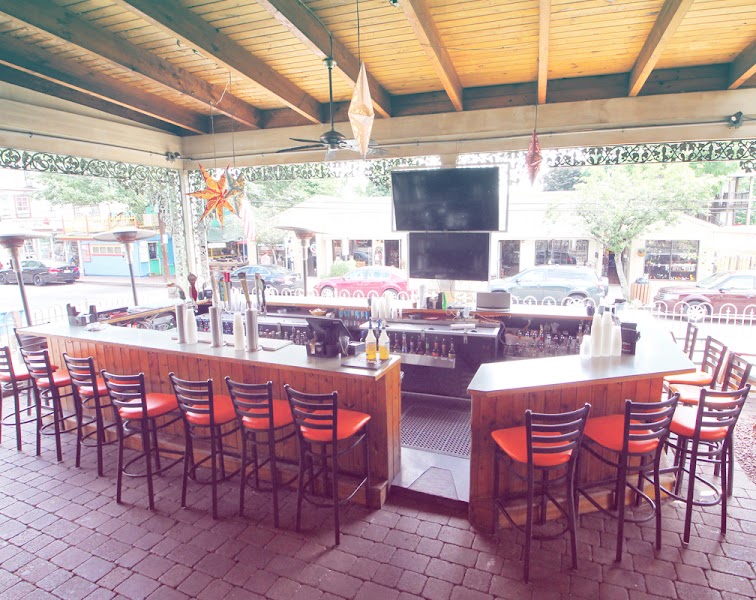
Havana New Hope
A lively, warmly lit New Hope institution on Main Street — exposed brick walls, a long mahogany bar that dates from the building's saloon days, and a menu built around Latin-inflected American cooking: grilled fish tacos with mango slaw, short rib empanadas, and a Cuban sandwich pressed in a cast-iron plancha. The bar pours mojitos with fresh-cut sugarcane and a serious rum selection. On weekend evenings, the downstairs bar fills with a mix of canal-town locals, Philadelphia day-trippers, and guests from the New Hope–Lambertville B&B circuit. Arrive before 7 p.m. to snag a table on the outdoor terrace above the canal.
4 options · tap to switch
🛏️
The Inn at Lambertville Station
A 45-room inn built into the hillside above the 1867 Belvidere Delaware Railroad station on the New Jersey bank of the Delaware River, with rooms overlooking either the river or the wooded hillside and a terrace breakfast served on the old railroad platform in summer. The location — a five-minute walk across the bridge to New Hope, within easy distance of Lambertville's antique district and galleries — makes it the most logistically useful base for a Bucks County weekend. Alternatives in the area include the Porches Inn at Woolverton in Stockton, NJ, the Logan Inn on New Hope's main street (open since 1727, making it one of the oldest continually operating hotels in America), and the Inn at Bowman's Hill just south of New Hope on the Delaware canal.
Day 2 — Doylestown, PA
Day 2 — Doylestown, PA
🚗 25 min driving📍 8 stops
🌅
Morning
🚗
Drive
New Hope, PA → Doylestown, PA
25 min
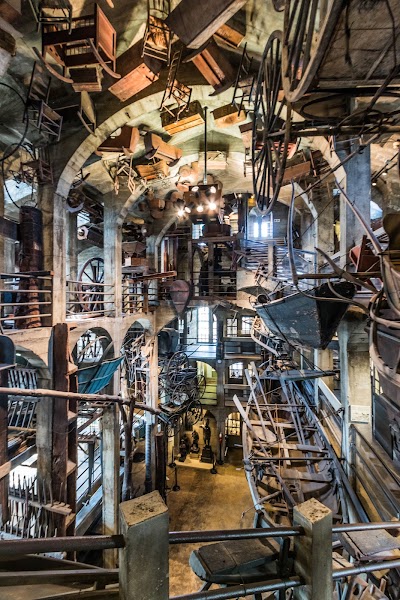
Mercer Museum
★ Reviews →Henry Chapman Mercer spent 1916 and 1917 pouring 40,000 tons of reinforced concrete into a six-story medieval fantasy of a building that simultaneously houses and expresses his collection of more than 40,000 pre-industrial American tools and implements — one of the largest and most significant collections of material culture artifacts in the world. Mercer had no architectural training; he designed the building himself, working intuitively from drawings he made during the construction, using a crew of unskilled laborers and no structural engineering. The result is a vertical labyrinth of balconies, catwalks, and hanging galleries connected by narrow concrete stairs, from which suspended farm wagons, whaling boats, fire engines, and Conestoga wagons dangle overhead at dizzying angles. The building is simultaneously the building and the collection: Mercer did not distinguish between the structure and its contents, and the experience of moving through it — from the dungeon-like lower galleries to the sky-lit upper floors — is unlike any other museum in the United States.
~1.5 hrs📍 See location
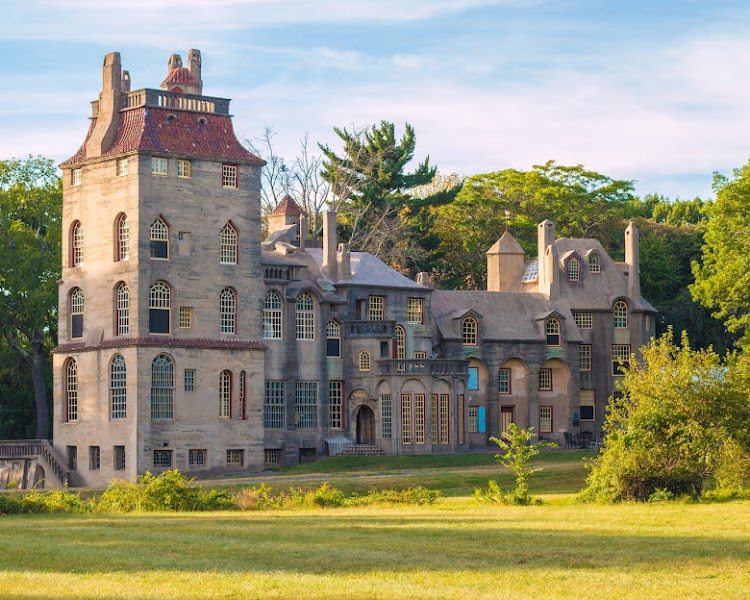
Fonthill Castle
★ Reviews →Mercer built Fonthill as his own home between 1908 and 1912 — the first major domestic use of reinforced concrete in American residential architecture, and a structure so personal and idiosyncratic that it functions as a three-dimensional self-portrait of its maker. The building contains 44 rooms, 200 windows, 18 fireplaces, and 40 staircases, all poured by Mercer and a small crew of unskilled local laborers who mixed concrete by hand in wooden forms. The walls, ceilings, and floors are embedded with thousands of tiles Mercer collected from sources spanning three millennia: glazed Iznik tiles from Ottoman Turkey, Delft tiles from 17th-century Holland, Aztec and Inca fragments from pre-Columbian Mexico and Peru, and thousands of his own Moravian Pottery tiles pressed in the concrete building's third-floor studio. Guided tours take visitors through rooms that feel simultaneously domestic and monastic, ancient and utterly original — bedrooms with views through deeply recessed concrete windows, a library where books are shelved in niches cut directly into the concrete walls, and a dining room whose ceiling is an irregular expanse of embedded tile.
~45 min📍 See location
🍽️
Lunch
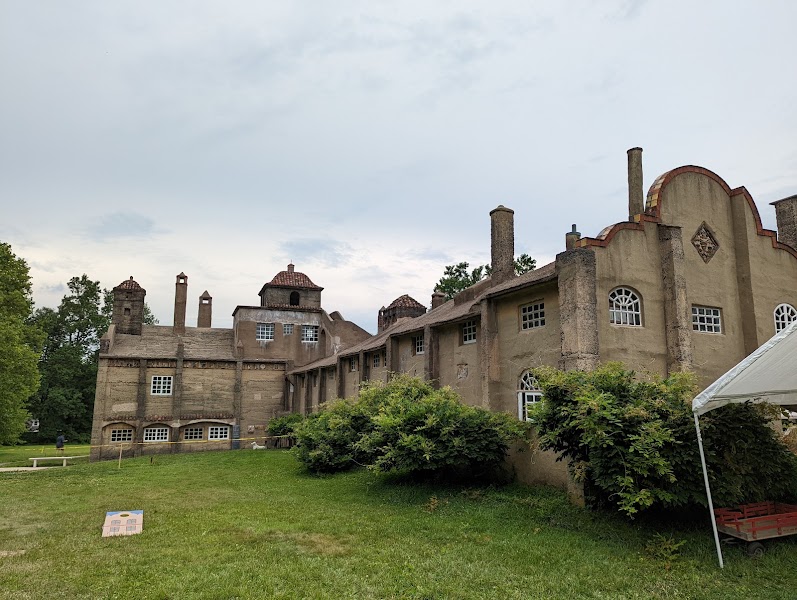
Moravian Pottery and Tile Works
★ Reviews →Mercer's third major concrete building, completed in 1912 as a working manufactory for the hand-pressed ceramic tiles he had been producing since 1898 — the building that secured his commercial success and gave him the resources to complete Fonthill and the museum. The structure is a fantasia of Spanish Mission and Moroccan arcade architecture, with arched breezeways, open kilns, clay-mixing rooms, and drying racks that remain in active use today: the Tile Works still produces handmade tiles using Mercer's original molds and glaze formulas, and guided tours take visitors through the full production process of pressing, drying, firing, and glazing. Mercer tiles appear in floor installations at the Pennsylvania State Capitol in Harrisburg, the Isabella Stewart Gardner Museum in Boston, and the Mercer Museum's own floors — the tiles are simultaneously a decorative art form and an archival record of pre-industrial American imagery, pressing motifs derived from Pennsylvania German redware, colonial printed ephemera, and Mercer's own archaeological sketches.
~1.5 hrs📍 See location
🍽️ Lunch~1.5 hrs
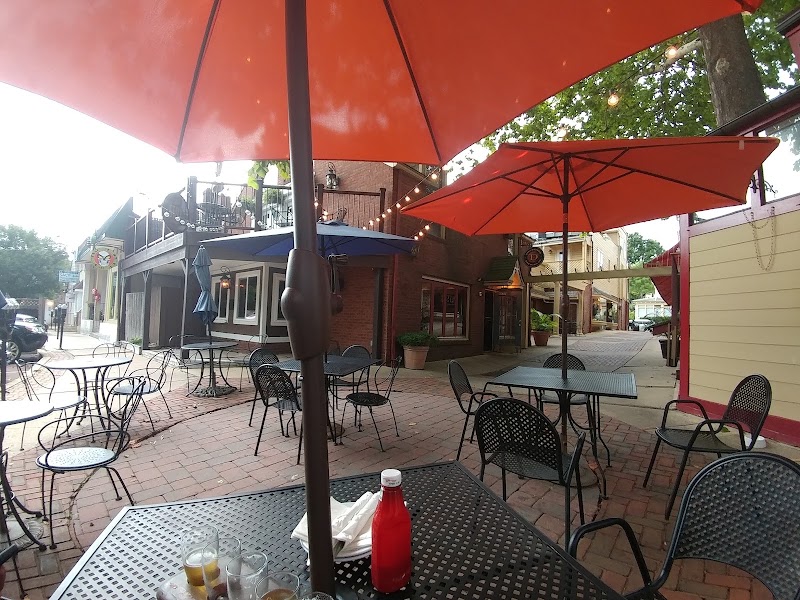
Doylestown Brewing Company
The Bucks County seat's most congenial lunch destination occupies a former bank building on Main Street, where the original vault now stores kegs and the teller windows have been replaced by a long bar pouring the brewery's flagship Castle Keep Lager, a softly bitter Helles brewed with German malt, and a rotating lineup of IPAs and seasonal ales. The kitchen turns out serious pub food — a pork schnitzel sandwich on a pretzel bun, a fried chicken sandwich brined in pickle juice, and a cheeseburger with caramelized onions on a brioche roll from Doylestown's oldest bakery. The lunch crowd runs to museum staff, county courthouse workers, and weekend visitors who have spent the morning at Fonthill and the Mercer Museum.
4 options · tap to switch
☀️
Afternoon
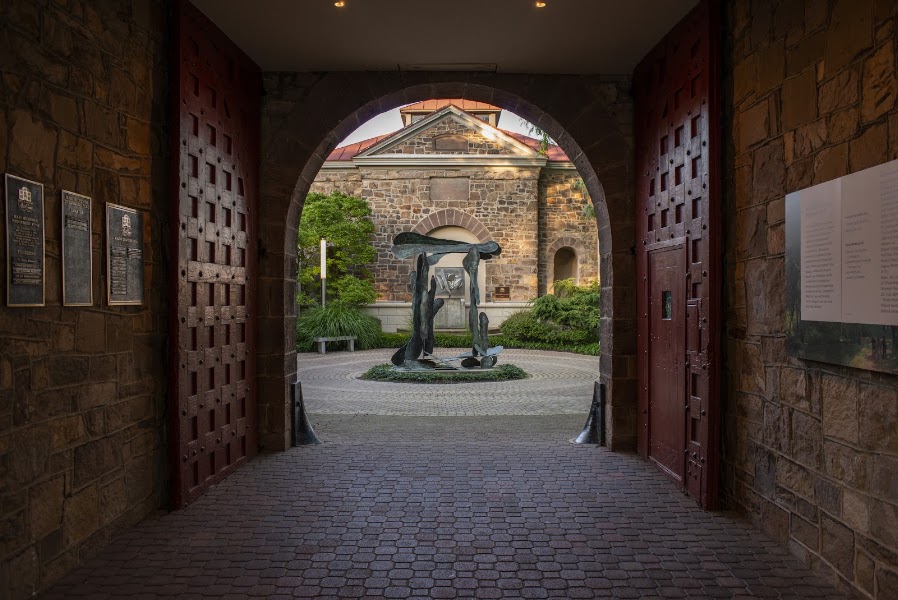
James A. Michener Art Museum
★ Reviews →The museum occupies the former Bucks County Prison, a handsome 1884 stone structure whose galleries now surround the original prison courtyard — a walled outdoor space that serves as the museum's sculpture garden and central gathering point. The collection centers on Pennsylvania Impressionism, the movement anchored by the New Hope Plein Air School and its leading figures: Edward Redfield, who worked outdoors in all weather, including during blizzards, nailing canvases to trees to keep them steady; Daniel Garber, whose luminous views of the Tohickon Creek valley are among the most lyrical American landscapes of the early 20th century; and Charles Rosen, whose winter scenes of the Delaware Valley rank with the finest snow paintings in American art. The museum is named for James A. Michener, the Doylestown-born novelist who donated his collection and funded the building's expansion. A recreation of Pearl S. Buck's study — another Bucks County writer and Nobel laureate — occupies a corner of the museum's literary wing.
~1.5 hrs📍 See location
Continue at Doylestown Walking Tour
★ Reviews →Use the afternoon to explore a different side of Fonthill Castle — there's more to discover beyond the morning highlights.
~1.5 hrs📍 See location
🌙
Evening
🍽️ Dinner~1 hr
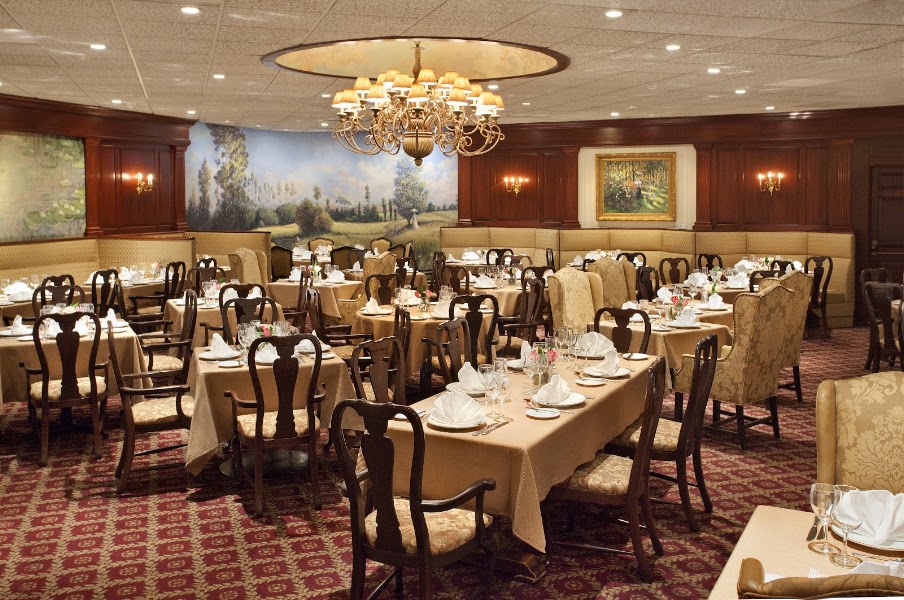
William Penn Inn
Operating continuously since 1714 — making it one of the oldest taverns in Pennsylvania — the William Penn Inn in Gwynedd occupies a stone building that served as a stagecoach stop on the road between Philadelphia and the Lehigh Valley. The current kitchen honors the building's age without becoming a period-piece attraction: the menu runs to prime dry-aged beef, whole roasted chicken from a local farm, and seafood sourced from the Philadelphia Fish Exchange, all served in candlelit dining rooms with original 18th-century wide-plank floors and working fireplaces. The wine list is one of the most serious in Bucks County, with a particular depth in Burgundy and Napa Cabernet.
4 options · tap to switch
🛏️
Doylestown Inn
An 11-room boutique inn on West State Street in the heart of Doylestown borough, within walking distance of the Mercer Museum, the Michener Art Museum, and the town's Main Street restaurants. The building dates from 1902 and has been sensitively renovated to preserve its original Arts and Crafts woodwork and plaster medallions while adding modern bathrooms and comfortable beds. Alternatives in the area include the Inn at New Hope (on the Delaware River bank, 25 minutes east), the 1740 House in Lumberville (a motel-format inn on the Delaware Canal towpath with direct access to the towpath walk), and Ash Mill Farm in Holicong (a working sheep farm B&B with pastoral views of Bucks County farmland).
Day 3 — Lahaska, PA
Day 3 — Lahaska, PA
🚗 1 hr 5 min driving📍 6 stops
🌅
Morning
🚗
Drive
Doylestown, PA → Peddler's Village, Lahaska, PA
20 min
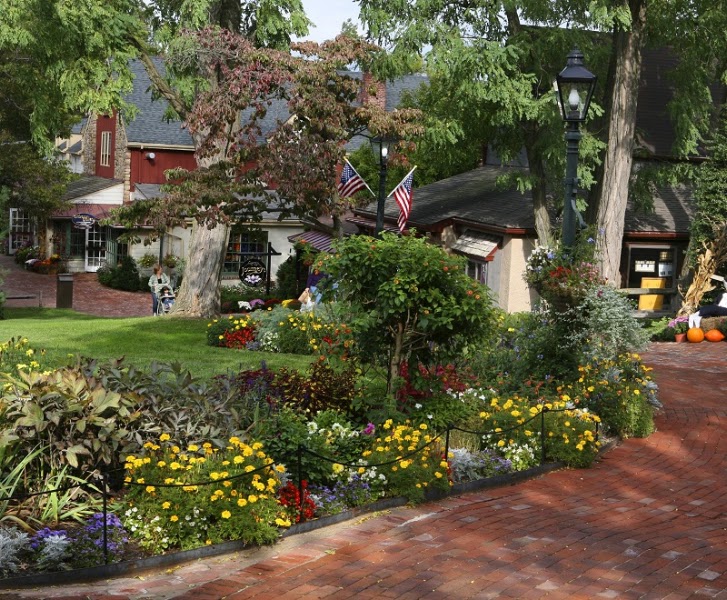
Peddler's Village
★ Reviews →A 42-acre specialty shopping and dining village established in 1962 by Earl Jamison on an 18th-century farmstead in Lahaska, comprising 70 independent shops housed in colonial-revival brick buildings connected by brick-paved garden paths that wind between plantings of boxwood, seasonal perennials, and ornamental trees. The Grand Carousel at the heart of the village is a 1922 Dentzel carousel — one of roughly 150 surviving antique American carousels, and one of the finest — restored in 1988 with its original hand-carved horses repainted and re-gilded, spinning year-round in its purpose-built pavilion. The shops lean toward craft, antiques, and specialty food: handblown glassware, pottery from Pennsylvania studios, seasonal jams and preserves, and specialty kitchen equipment. The village holds one of the more reliably pleasant seasonal festivals in Bucks County — the Apple Festival in November, the Strawberry Festival in May, and a summer weekend farmers' market that draws producers from throughout the Delaware Valley.
~1 hr📍 See location
🍽️ Breakfast~1 hr
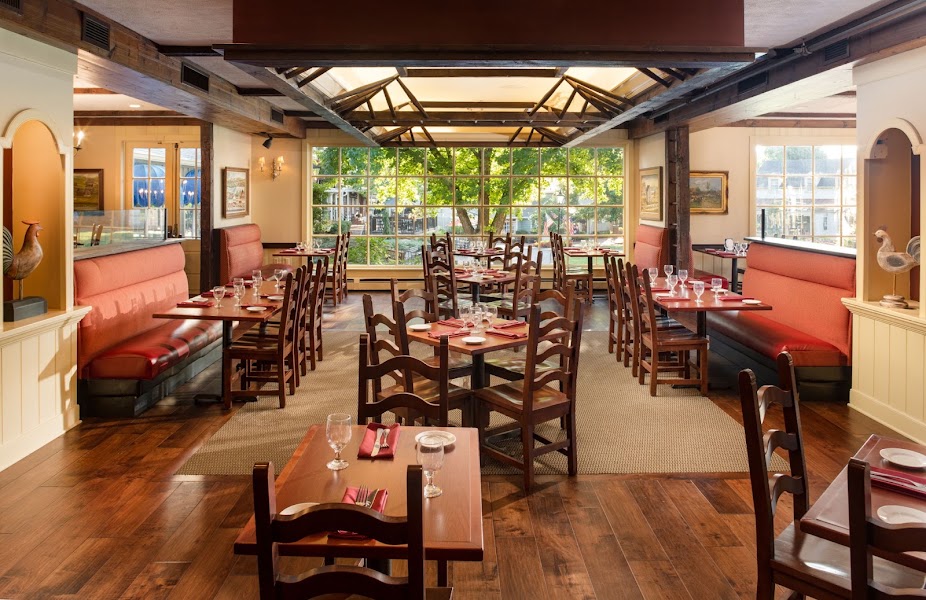
Cock 'n Bull Restaurant
Peddler's Village's flagship restaurant since 1952 occupies a building constructed as a blacksmith shop in 1765, converted to a tavern after the Revolution, and pressed into service as a colonial-revival dining room when Jamison opened his shopping village in the early 1960s. The menu features the colonial-era Pennsylvania dishes that have made the Cock 'n Bull a regional institution: chicken pot pie with hand-rolled noodles in a rich cream broth, Pennsylvania Dutch shoofly pie with a molasses crumb topping, and a Bucks County pork roast with apple compote and sage stuffing that draws devoted regulars. The dining room retains its original wide-plank floors, exposed stone walls, and low-beamed ceiling — a setting that earns its period character without manufacturing it.
4 options · tap to switch
🍽️
Lunch
🍽️ Lunch~1 hr
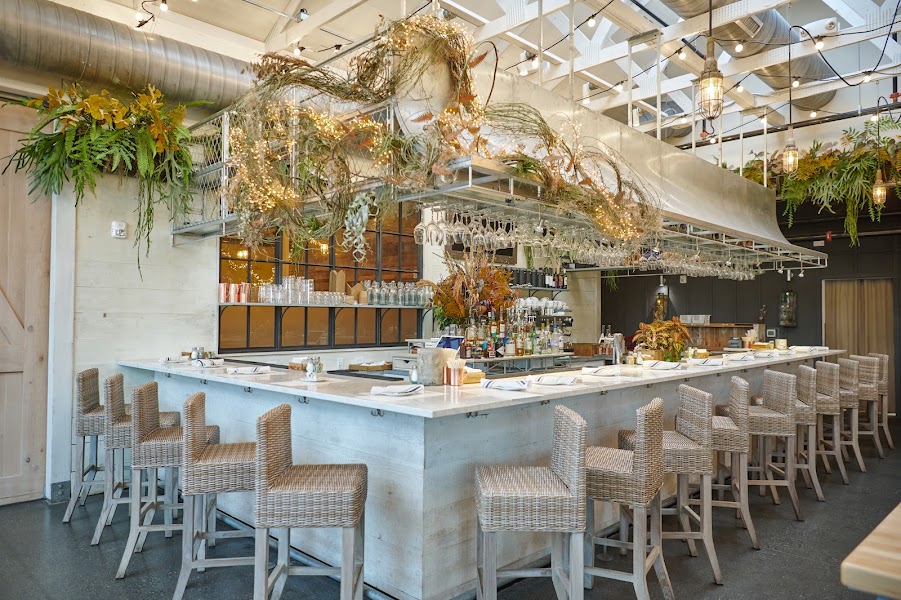
Terrain Garden Café at Peddler's Village
The garden-adjacent café from the Terrain home and garden retail brand operates from a greenhouse-style structure at the edge of Peddler's Village, serving a seasonal menu of composed salads, grain bowls, and open-faced sandwiches built from produce sourced from local Bucks County farms. The setting — surrounded by plants, stone troughs, and garden ornaments available for purchase in the adjacent retail space — makes it the most visually pleasing lunch option at the village, particularly in spring and summer when the café opens its glass walls to the surrounding garden.
3 options · tap to switch
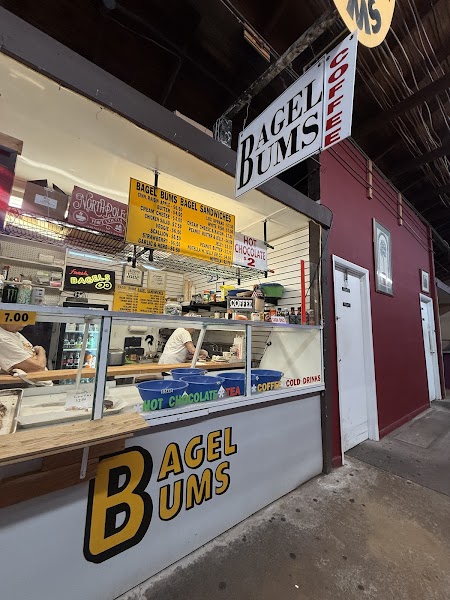
Rice's Sale & Country Market
★ Reviews →Operating every Tuesday and Saturday since 1860 — making it one of the oldest outdoor markets in Pennsylvania — Rice's occupies a 30-acre site along Old Street Road in New Hope, about ten minutes north of Peddler's Village. More than 300 vendors set up across the grounds, selling a mix that encompasses genuine antiques and country primitives, Depression glass, cast-iron cookware, handmade quilts, Pennsylvania German redware, vintage tools and farm equipment, fresh produce from surrounding Bucks County farms, and an excellent selection of prepared foods from local vendors. The early morning hours (arrive by 7 a.m. on Tuesdays for the serious dealers) yield the best pickings in antique furniture and paintings; by 9 a.m. the crowds arrive and the atmosphere becomes something closer to a county fair.
~1 hr📍 See location
☀️
Afternoon
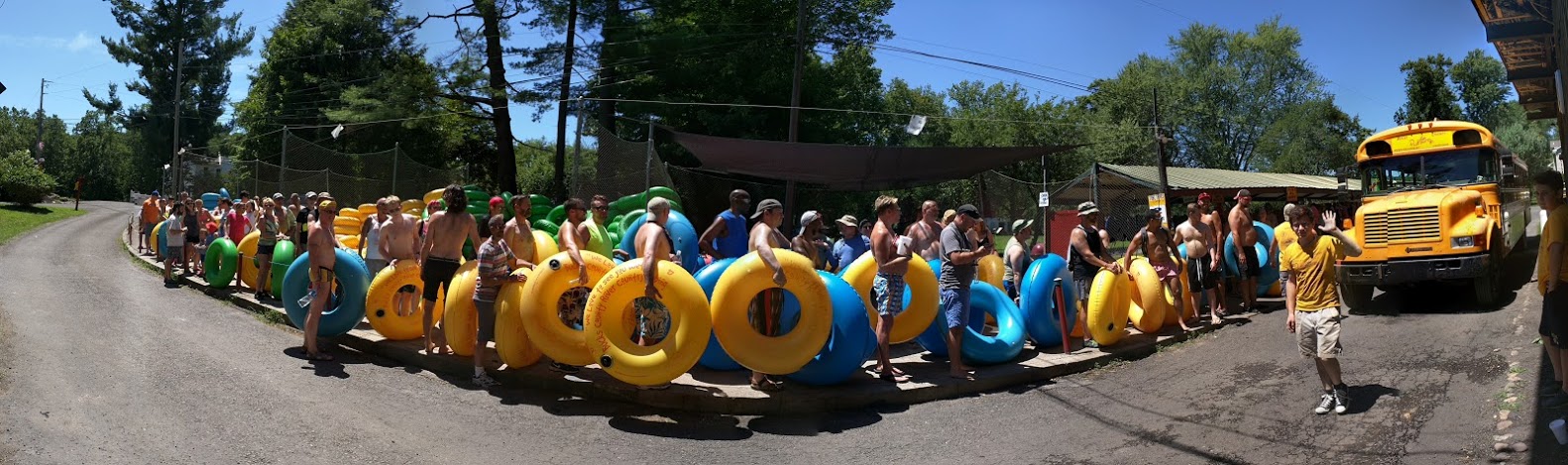
Bucks County River Country
★ Reviews →Delaware River tubing, rafting, and kayaking from the launch point at Point Pleasant, about fifteen minutes north of Peddler's Village on River Road. Bucks County River Country offers a gentler version of the Delaware River experience than the whitewater options further north on the Lehigh — the 4-mile float from Point Pleasant to New Hope on inner tubes takes two to three hours, drifting past forested riverbanks, limestone outcroppings, and the occasional great blue heron standing motionless at the water's edge. Rentals and shuttle service are provided from the River Road facility. The float puts you in downtown New Hope in time for a late-afternoon drink on the Main Street terrace before beginning the drive home.
~1 hr📍 See location
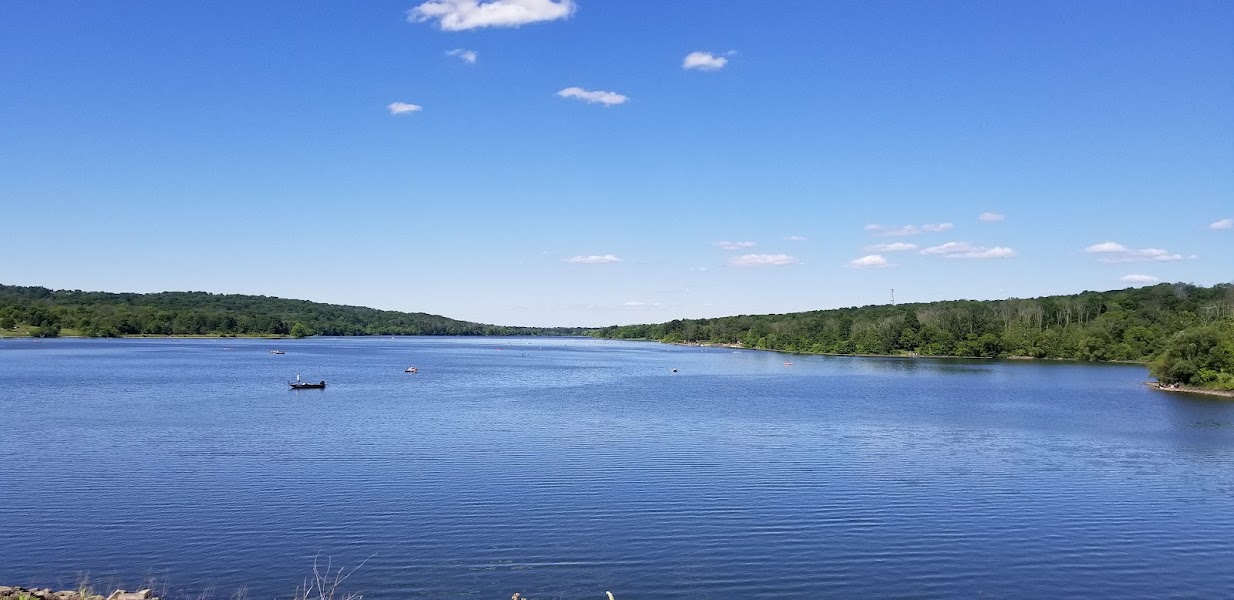
Peace Valley Nature Center
★ Reviews →An alternative afternoon option for those who prefer land to river: the 14-mile trail network in Peace Valley County Park in Doylestown surrounds Lake Galena, a 365-acre reservoir impounded from the north branch of Neshaminy Creek. The park is the most visited county park in Pennsylvania, drawing birders throughout the year for its osprey nesting platform (active since 1982), wintering bald eagles, and year-round great blue heron colony in the dead snags above the lake's northern arm. The perimeter trail is flat — the terrain was farmland until the 1970s — and passes through restored grassland, secondary woodland, and marsh habitat that support nesting bluebirds, bobolinks, and (in migration) a wide range of warblers and shorebirds. The nature center building houses live reptiles and amphibians and a rotating natural history exhibit.
~1.5 hrs📍 See location
🌙
Evening
🚗
Drive
Lahaska, PA → Philadelphia, PA
45 min
← All Philadelphia trips
More getaways from Philadelphia
Delaware Water Gap: Waterfalls, Summit Views & River Swimming — Day trip🥾Delaware Water Gap: Waterfalls, Ridge Hiking & Niagara of Pennsylvania — Weekend🥾Pocono Mountains Circuit: Waterfalls, Gorge Rafting & Hawk Migration — Long weekend🥾Steam Trains & Amish Farmlands: Lancaster County in a Day — Day trip🏛️Pennsylvania Dutch Country: Steam Trains, Plain Communities & Colonial Communes — Weekend🏛️Pennsylvania Dutch Country: Three Days Among Plain Communities, Colonial History & Artisan Traditions — Long weekend🏛️Brandywine Valley: Longwood Gardens, Wyeth & Delaware River Countryside — Day trip🌿Brandywine Valley Weekend: Du Pont Estates, Wyeth Country & Delaware River — Weekend🌿
© 2026 theweekendgetaways.com · All itineraries are original content. Terms
Plan your own escapeExplore more trips →