Hagerman Valley — Thousand Springs, the Fossil Beds & the Canyon Springs
Along the Snake River in the Hagerman Valley, a geologic marvel plays out on the north canyon wall: water that fell as rain on the mountains far to the north resurfaces here after decades underground, gushing straight out of the basalt cliffs in dozens of waterfalls and springs — the Thousand Springs. Two hours southeast of Boise, this three-day loop threads the valley's spring-fed wonders and its deep history. Day one explores Thousand Springs State Park and the dramatic slot of Malad Gorge, where the Big Wood River drops into a plunge pool spanned by a footbridge. Day two turns to the Hagerman Fossil Beds National Monument, home to the famous Hagerman Horse, and to the quiet river channels around Ritter Island. Day three visits two of the region's most beautiful spring alcoves — Box Canyon Springs, the eleventh-largest spring in North America, and the emerald pool of Niagara Springs — before the drive home. The valley's aquaculture makes it America's trout capital, so the eating is superb, with nights in Hagerman and Buhl.
Day 1 — Thousand Springs State Park & Malad GorgeDay 2 — Hagerman Fossil Beds & Ritter IslandDay 3 — Box Canyon Springs & Niagara Springs
Day 1 — Hagerman Valley — Thousand Springs & Malad Gorge, ID
Day 1 — Hagerman Valley — Thousand Springs & Malad Gorge, ID
🚗 2 hr driving📍 4 stops
🌅
Morning
🚗
Drive
Boise, ID → Malad Gorge, Thousand Springs State Park
2 hr8:00 AM → 10:00 AM
Malad Gorge — Devil's Washbowl
★ 4.8
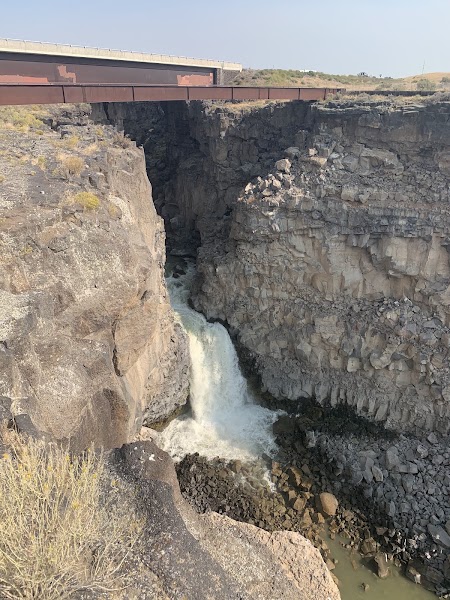
Just off the interstate, hidden until you are almost on top of it, the Malad River drops into the Devil's Washbowl and races through a 250-foot-deep basalt slot canyon barely 60 feet wide — one of Idaho's most dramatic and least-expected sights. A footbridge spans the gorge directly above the waterfall and plunge pool, giving a vertiginous look straight down into the churning water, and rim trails follow the canyon edge to further overlooks of the river cutting through the black rock. The gorge is part of Thousand Springs State Park and is short and easy to explore, though the drop-offs are sheer and unfenced in places, so keep children close. It is a superb, dramatic opener to the valley of springs. Interpretive signs explain how the canyon and the surrounding Snake River Plain were shaped by the cataclysmic Bonneville Flood.
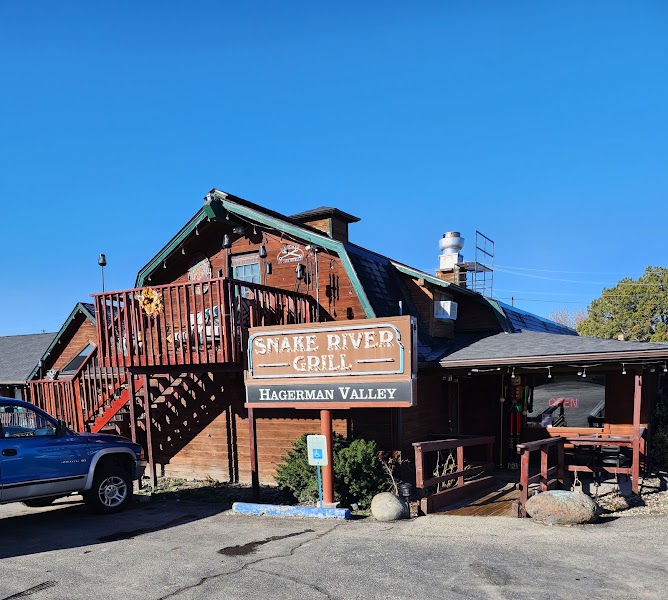
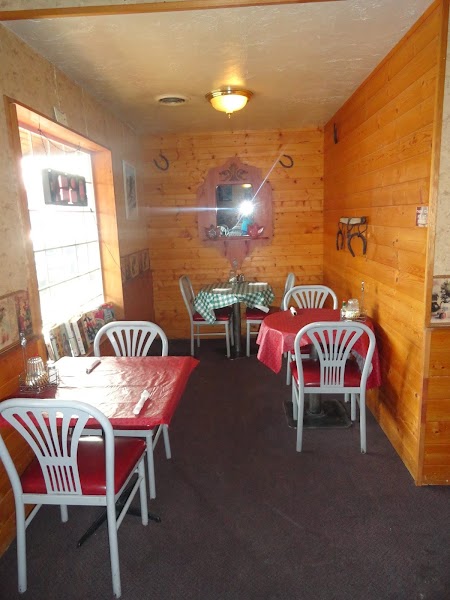
In the little town of Hagerman, the Snake River Grill is a genuine destination kitchen, celebrated for cooking the valley's own farm-raised trout and sturgeon a dozen ways, alongside game and other regional dishes — a surprisingly ambitious table for so small a town, and a beloved local institution. The Hagerman Valley produces the majority of the nation's farmed trout, so eating fish here is as fresh and local as it gets. It makes an ideal midday break between the gorge and the springs; hours can be limited, so check ahead or aim for the lunch window. Hagerman has a few other honest cafes if the Grill is closed.
Thousand Springs State Park — Ritter Island & the Springs Wall
★ 4.7
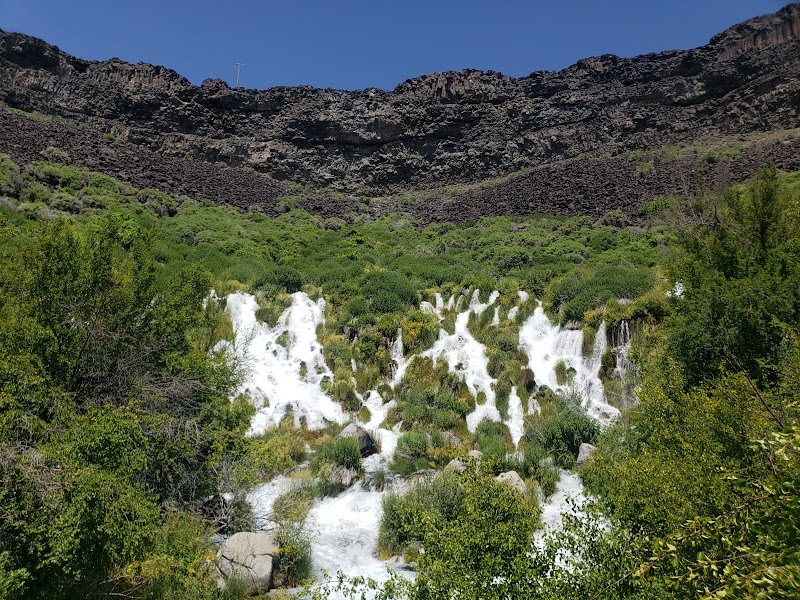
The signature spectacle of the valley is the springs wall: on the far side of the Snake River, water pours out of the basalt cliff in dozens of white cascades and ribbons, fed by an underground aquifer whose rain fell decades ago far to the north, resurfacing here as the Thousand Springs. The best land view is from the Thousand Springs / Ritter Island unit of the state park, reached by a causeway, where trails wind past the springs, historic ranch buildings, and the Minnie Miller Springs cascading directly into the river. Interpretive signs explain the vast Snake River Aquifer that feeds the whole phenomenon. Walk the island loops, watch for herons and waterfowl on the spring-fed channels, and take in one of the most unusual hydrologic wonders in the country. A day-use fee applies.
Hagerman is the natural base for the first two nights — a small, friendly river town with a handful of inns, riverside cabins, and bed-and-breakfasts, plus the state park's own lodge-style rooms and cabins at the Billingsley Creek unit. Book ahead in summer, as options are limited and popular with anglers drawn to the spring creeks. The town's cafes and the Snake River Grill cover dinner, and everything is close enough to walk. Its position puts you minutes from tomorrow's fossil beds and river channels. If Hagerman is full, the larger town of Buhl, twenty minutes east and itself a trout-farming center, has additional rooms.
Day 2 — Hagerman Fossil Beds & Ritter Island, ID
Day 2 — Hagerman Fossil Beds & Ritter Island, ID
🚗 15 min driving📍 4 stops
🌅
Morning
🚗
Drive
Hagerman, ID → Hagerman Fossil Beds National Monument Visitor Center
15 min8:00 AM → 8:15 AM
Hagerman Fossil Beds National Monument
★ 4.3
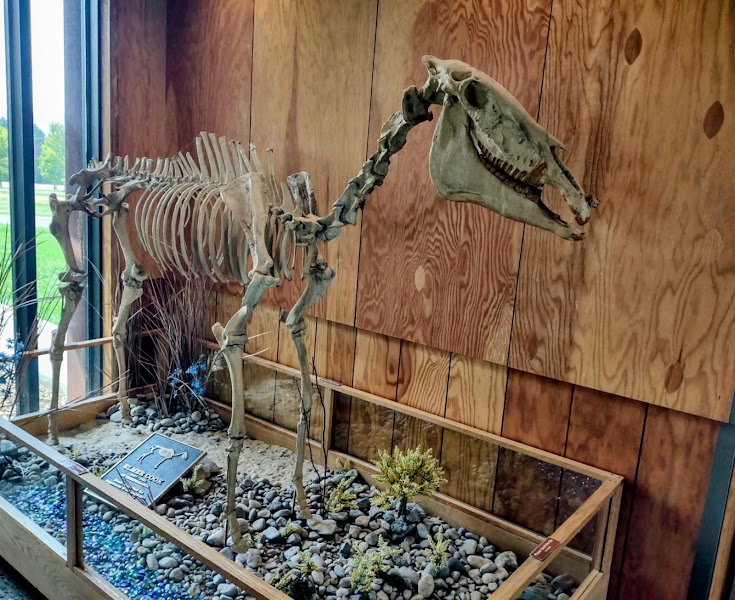
The bluffs above the Snake River near Hagerman hold one of the richest fossil records of the Pliocene epoch in North America, preserving a snapshot of life roughly three and a half million years ago — most famously the Hagerman Horse, Equus simplicidens, the earliest known member of the modern horse genus and Idaho's state fossil, unearthed here by the hundreds. The national monument's visitor center in town displays a full skeleton, casts, and exhibits interpreting the ancient savanna of camels, mastodons, sabertooth cats, and giant beavers that once roamed here. From the center, drive the auto route to the Snake River Overlook and Oregon Trail overlook, where short walks along the bluff take in the fossil-bearing strata, the river below, and the actual ruts of the Oregon Trail worn into the ground. Collecting fossils is prohibited; enjoy the geology and the views on foot.
Return to Hagerman for a relaxed midday meal at one of the town's cafes or bistros, again leaning on the valley's famous farmed trout and locally grown produce. It is an easy, unhurried break between the fossil bluffs of the morning and the river channels of the afternoon, and a chance to refill water and pick up anything you need. The town is small and walkable, so you can stroll the main street between courses. Confirm hours, as small-town kitchens here keep seasonal and sometimes short schedules.
Ritter Island & the Snake River Channels (paddle or walk)
★ 4.7
The afternoon returns to the water around Ritter Island, where the spring-fed channels of the Snake River spread into a maze of clear, cool waterways and quiet backwaters below the cascading Minnie Miller Springs. Walk the island's loop trails past the historic Ritter dairy ranch and out to viewpoints of the springs pouring into the river, or, better still, put in a kayak, canoe, or stand-up paddleboard to explore the calm channels at water level, drifting beneath the falling springs — a magical way to experience the phenomenon up close. Local liveries in Hagerman rent paddlecraft and run guided spring tours; arrange in advance for the best experience. Watch for trout finning in the impossibly clear water, and for the herons, egrets, and otters the channels support. A day-use fee applies at the park.
Spend a second night in the valley, either back in Hagerman or over in Buhl, the self-proclaimed trout capital of the world, twenty minutes east and well positioned for tomorrow's Box Canyon and Niagara Springs. Buhl offers a small motel or two and puts you closer to the final day's spring alcoves on the south side of the river. Whichever you choose, enjoy another dinner of the valley's superb farmed trout and settle in early — tomorrow's spring hikes reward a fresh start before the midday heat and the eventual drive home. Confirm your reservation, as valley lodging is limited and books up in season.
Day 3 — Box Canyon & Niagara Springs, ID
Day 3 — Box Canyon & Niagara Springs, ID
🚗 2 hr 35 min driving📍 3 stops
🌅
Morning
🚗
Drive
Hagerman / Buhl, ID → Box Canyon Springs Nature Preserve
25 min8:00 AM → 8:25 AM
Box Canyon Springs Nature Preserve
★ 4.8
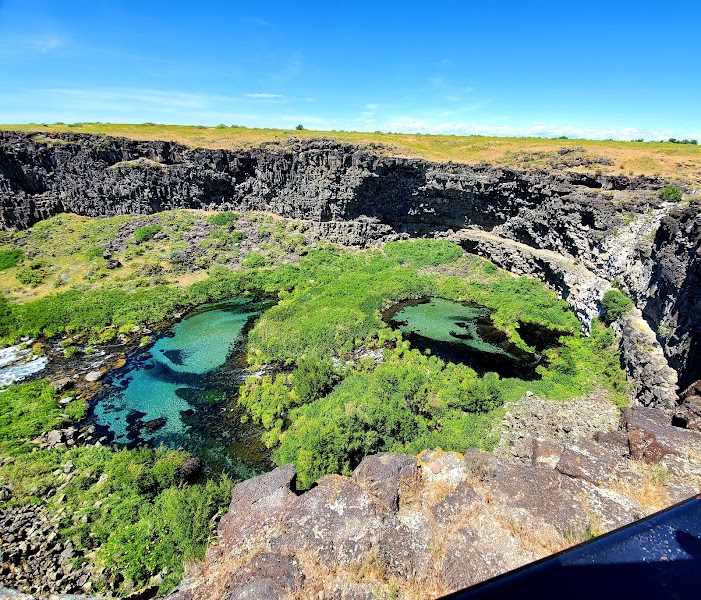
Box Canyon is the eleventh-largest spring in North America, pouring an astonishing volume of crystalline, 58-degree water out of the ground at the head of a lush box canyon and rushing a short distance to a small waterfall before joining the Snake River. A trail descends from the rim into the canyon — about a mile and a half each way, moderately steep on the return — past the turquoise spring pools and hanging greenery to the base of the falls, where the water is startlingly clear and cold. The contrast of the verdant, spring-watered canyon floor against the dry sagebrush rim above is the whole magic of Thousand Springs country distilled into one place. Wear real shoes for the rocky descent, carry water, and give yourself time to sit by the pools. A day-use fee applies at this unit of Thousand Springs State Park.
For the final midday meal, either carry a picnic to the shaded, spring-side tables at Niagara Springs down in the canyon — an idyllic spot beside the emerald water — or double back into Buhl for one last plate of the valley's trout at a local cafe. The picnic is the more scenic option, letting you linger in the cool canyon before the drive; the town meal is the surer bet if kitchens along the way are unpredictable. Either way, refill water and fuel before pointing north, as the route home crosses long stretches of open country. Buhl's small-town cafes keep short hours, so plan around them.
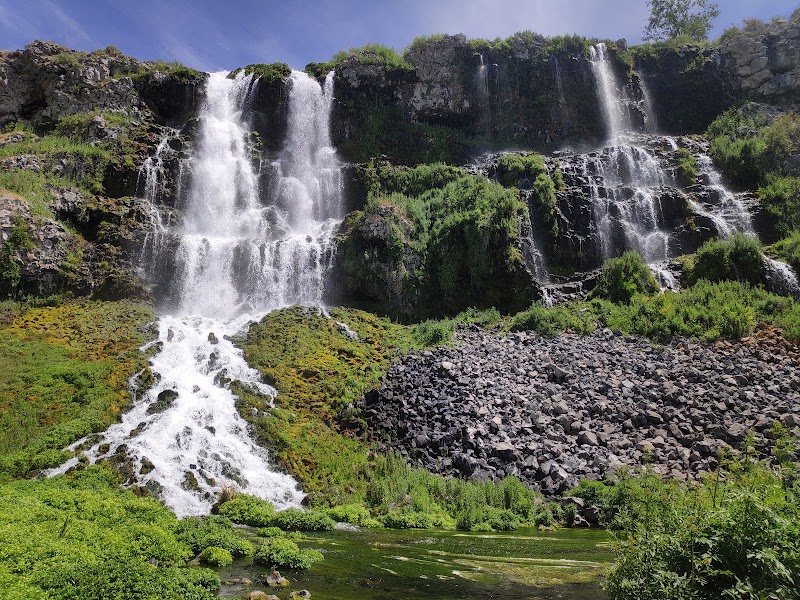
The trip's finale drops down a steep, switchbacking canyon road to Niagara Springs, a National Natural Landmark where springs gush from the canyon wall in a broad emerald curtain into a pool of extraordinary clarity on the floor of the Snake River canyon. The spring feeds a lush green oasis and the adjacent Crystal Springs area, with shaded picnic grounds, a trout hatchery, and quiet water along the river prized by anglers and paddlers. Easy paths trace the spring pools and the riverbank, and the whole scene — clear cold water welling from black basalt at the bottom of a desert canyon — is a fitting, restful capstone to three days of the Thousand Springs. Take in the springs and the river, then climb back out of the canyon and begin the drive home to Boise. Confirm the access road is open and take the grade slowly.